
TSMC chip price hike in 2027 could increase smartphone prices

Jeeva Shanmugam
4 Min Read
Highlights
  • TSMC Chip Price Raise is expected to begin in 2027, with wafer manufacturing prices for both advanced and legacy process nodes increasing by 5% to 10%.
  • The higher manufacturing costs could affect major chip customers including Apple, Nvidia, Qualcomm, AMD, and Intel, potentially leading to more expensive smartphones, PCs, wearables, and automotive electronics.
  • Rising production costs, expensive chipmaking equipment, and TSMC's continued investment in new fabrication plants are reportedly driving the TSMC Chip Price Raise, while major tech companies explore alternative manufacturing partners.

Buying a new phone in 2027 may cost a little more than many people expect. The reason isn’t a new tax or a fancy feature. It’s chip manufacturing. According to a recent report by Nikkei Asia, TSMC chip price hikes will take effect next year.

The company is expected to increase manufacturing prices by 5% to 10%, depending on the chip process. Since TSMC builds processors for many of the world’s biggest technology companies, this isn’t something that affects just one brand. It has the potential to ripple across the entire consumer electronics market.

TSMC chip price hike in 2027 could make future smartphones, PCs, and other gadgets more expensive

It’s not just premium smartphone chips

A lot of people think only flagship processors will be affected. That isn’t the case. The reported increase covers advanced process technologies, including 7nm and newer nodes, where prices could rise between 5% and 10%.

Older manufacturing processes are also included. 12nm, 16nm, and 28nm production is expected to become more expensive as well. These chips are still widely used in laptops, tablets, smartwatches, networking hardware, vehicles, and countless everyday electronic products. So the impact goes well beyond premium smartphones.
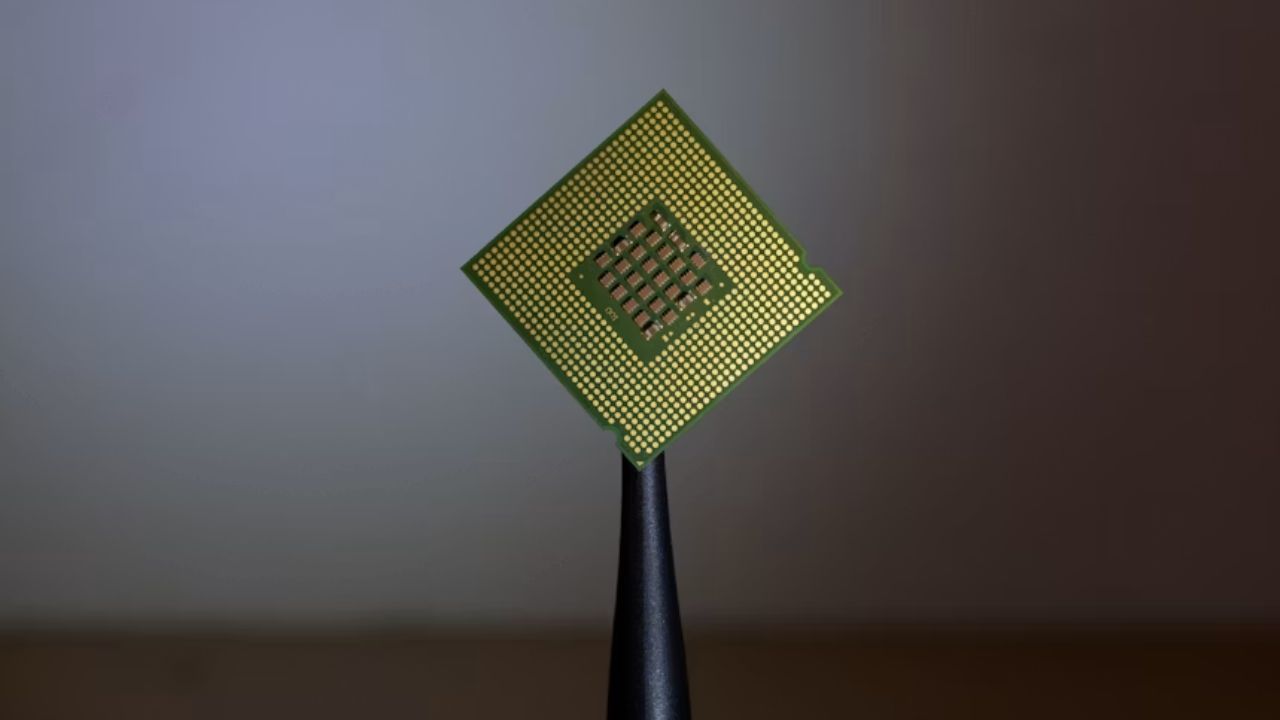

TSMC chip price hike in 2027 could increase smartphone prices
Image Credits: Brian Kostiuk, via Unsplash

Why is TSMC increasing its prices?

The answer is fairly simple. Making chips has become more expensive. TSMC continues to spend billions on new fabrication plants, especially outside Taiwan, while also dealing with higher equipment and material costs.

Those expenses eventually find their way into manufacturing prices. It’s not unusual in this industry, but the size of this reported increase has caught attention.

Big chip companies are already looking around

No company likes paying more if it has another option. Reports suggest Apple is continuing to evaluate additional manufacturing capacity from Samsung and Intel. Intel is also changing its production strategy for its upcoming Nova Lake processors by relying more on its own 18A process instead of outsourcing as much work.

Qualcomm has also been linked with Samsung for future Snapdragon production. None of these moves remove TSMC from the picture, but they could reduce how dependent companies are on a single supplier.

Keep up with the tech that actually matters.

From breaking news to deep dives, TrueTech brings you the tech stories worth knowing.
Add us as a preferred source on Google Search for quicker access to our coverage.

Add TrueTech as a preferred source on Google

What does this mean for buyers?

The TSMC chip price raise won’t suddenly make every smartphone expensive on day one. Products already in production won’t be affected immediately. The bigger change will likely come later in 2027 as manufacturers begin releasing devices built with higher-cost chips.

If production costs continue to rise, brands may increase prices on smartphones, laptops, wearables, and even other connected devices. Whether they absorb part of the cost or pass all of it to customers will depend on each company.

Overall, the TSMC chip price raise is another reminder that semiconductor manufacturing is becoming more expensive every year. For consumers, the effect may not be immediate, but it is something worth watching.


Share This Article
Making spicy content on the Internet!
Highlights
  • TSMC Chip Price Raise is expected to begin in 2027, with wafer manufacturing prices for both advanced and legacy process nodes increasing by 5% to 10%.
  • The higher manufacturing costs could affect major chip customers including Apple, Nvidia, Qualcomm, AMD, and Intel, potentially leading to more expensive smartphones, PCs, wearables, and automotive electronics.
  • Rising production costs, expensive chipmaking equipment, and TSMC's continued investment in new fabrication plants are reportedly driving the TSMC Chip Price Raise, while major tech companies explore alternative manufacturing partners.

Buying a new phone in 2027 may cost a little more than many people expect. The reason isn’t a new tax or a fancy feature. It’s chip manufacturing. According to a recent report by Nikkei Asia, TSMC chip price hikes will take effect next year.

The company is expected to increase manufacturing prices by 5% to 10%, depending on the chip process. Since TSMC builds processors for many of the world’s biggest technology companies, this isn’t something that affects just one brand. It has the potential to ripple across the entire consumer electronics market.

TSMC chip price hike in 2027 could make future smartphones, PCs, and other gadgets more expensive

It’s not just premium smartphone chips

A lot of people think only flagship processors will be affected. That isn’t the case. The reported increase covers advanced process technologies, including 7nm and newer nodes, where prices could rise between 5% and 10%.

Older manufacturing processes are also included. 12nm, 16nm, and 28nm production is expected to become more expensive as well. These chips are still widely used in laptops, tablets, smartwatches, networking hardware, vehicles, and countless everyday electronic products. So the impact goes well beyond premium smartphones.

TSMC chip price hike in 2027 could increase smartphone prices
Image Credits: Brian Kostiuk, via Unsplash

Why is TSMC increasing its prices?

The answer is fairly simple. Making chips has become more expensive. TSMC continues to spend billions on new fabrication plants, especially outside Taiwan, while also dealing with higher equipment and material costs.

Those expenses eventually find their way into manufacturing prices. It’s not unusual in this industry, but the size of this reported increase has caught attention.

Big chip companies are already looking around

No company likes paying more if it has another option. Reports suggest Apple is continuing to evaluate additional manufacturing capacity from Samsung and Intel. Intel is also changing its production strategy for its upcoming Nova Lake processors by relying more on its own 18A process instead of outsourcing as much work.

Qualcomm has also been linked with Samsung for future Snapdragon production. None of these moves remove TSMC from the picture, but they could reduce how dependent companies are on a single supplier.

Keep up with the tech that actually matters.

From breaking news to deep dives, TrueTech brings you the tech stories worth knowing.
Add us as a preferred source on Google Search for quicker access to our coverage.

Add TrueTech as a preferred source on Google

What does this mean for buyers?

The TSMC chip price raise won’t suddenly make every smartphone expensive on day one. Products already in production won’t be affected immediately. The bigger change will likely come later in 2027 as manufacturers begin releasing devices built with higher-cost chips.

If production costs continue to rise, brands may increase prices on smartphones, laptops, wearables, and even other connected devices. Whether they absorb part of the cost or pass all of it to customers will depend on each company.

Overall, the TSMC chip price raise is another reminder that semiconductor manufacturing is becoming more expensive every year. For consumers, the effect may not be immediate, but it is something worth watching.

Share This Article
Making spicy content on the Internet!