- Nothing has confirmed India as the location for its first-ever global flagship store.
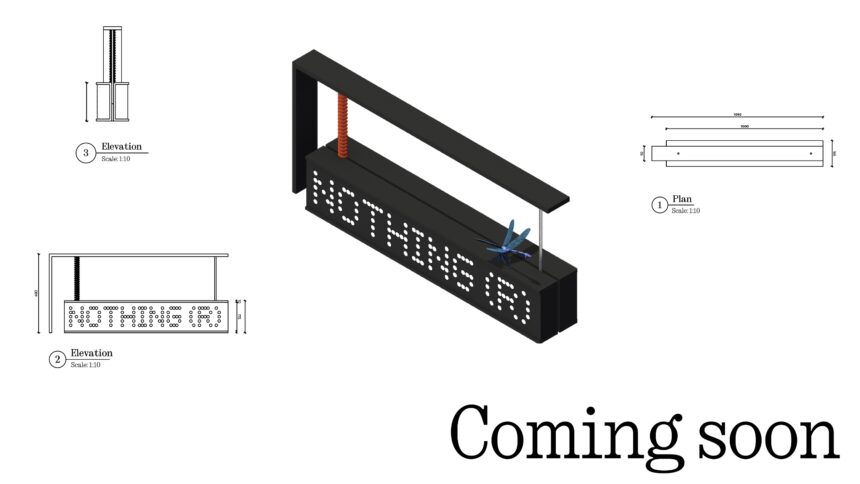
- The teaser showcases an industrial, blueprint-style design consistent with the brand’s aesthetic.
- The flagship store will allow customers to experience Nothing’s products in a dedicated physical space.
Nothing has officially confirmed that the Nothing flagship store in India will be its first global flagship location. The announcement represents a key step in the company’s retail strategy. Alongside the news, Nothing shared a teaser giving an early look at the store’s industrial design.
Nothing flagship store in India to offer hands-on brand experience
According to Nothing, the upcoming flagship store will function as a dedicated space where customers can explore the company’s products and design philosophy in person.
Until now, Nothing mostly depended on online stores and digital product launches in India. This new flagship store shows a move toward stronger customer connections through face-to-face interaction and direct engagement. The company has not shared the store location or opening date yet but said more details will come soon later on.
Related

The teaser reveals industrial and transparent design
The teaser shared by Nothing seems to show either store signage or a large interior display.
It is shown as an architectural blueprint with elevation and plan views at a 1:10 scale. This format closely matches the brand’s engineering-driven visual identity overall.
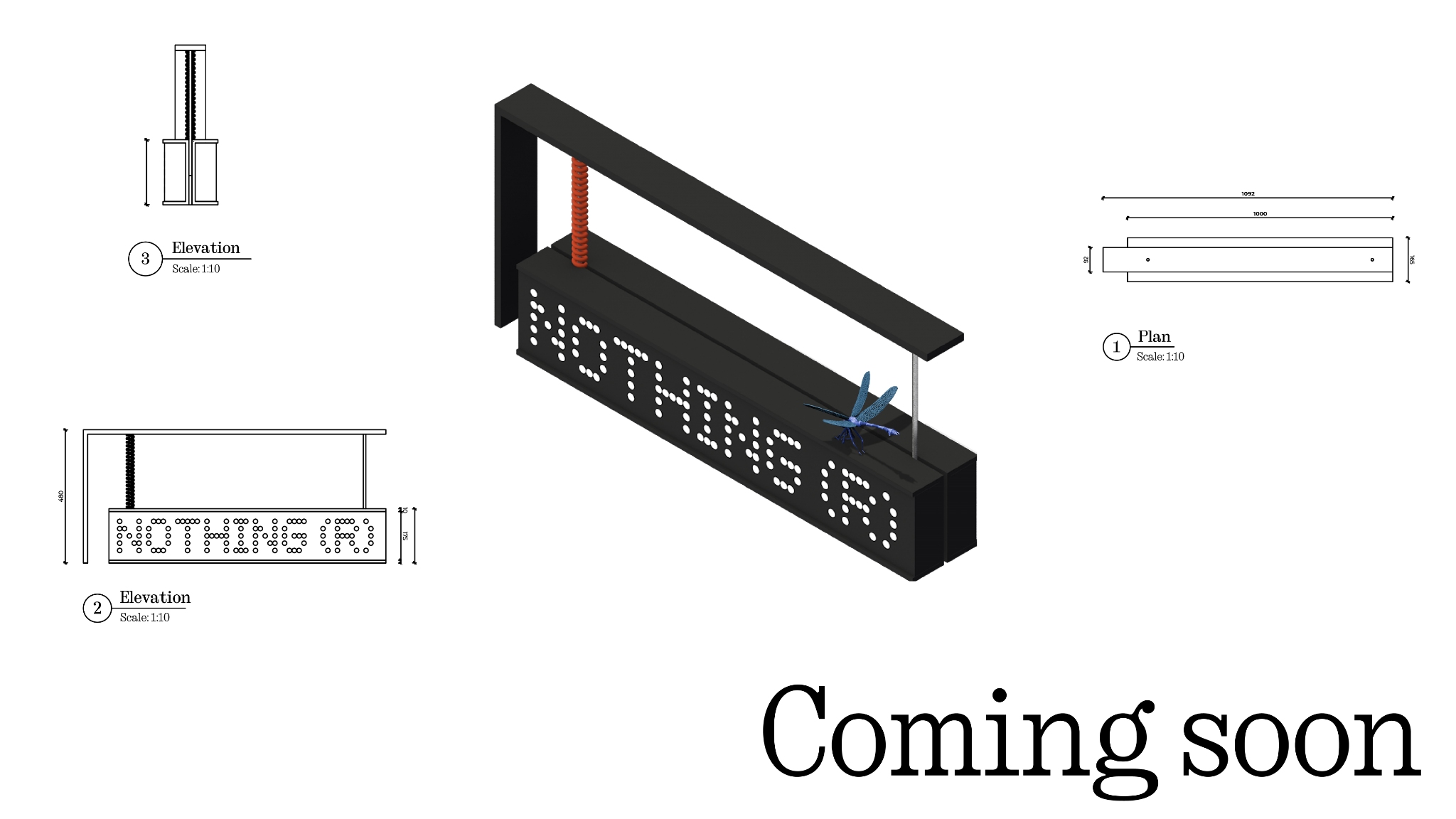
The teaser shows several unique design features that closely match Nothing’s well-known visual style overall. At the center sits a rectangular mechanical frame showing the “NOTHING (R)” logo made in the brand’s signature dot matrix style.
One side of the structure features an exposed orange coil mechanism, an industrial detail that reflects the color accents often seen across Nothing’s audio products and CMF-branded devices.
The final component of the design is a blue dragonfly sitting on the structure. Insect visuals have been a repeated theme in Nothing’s branding since its early days and is often used to represent lightweight design and an engineering approach inspired by nature.