- Google and Apple are working their way up introducing interoperability across Android phones and iOS devices in terms of file sharing.
- Google rolled out the feature across Pixel 10 series devices late-2025, however, the feature will soon find its way across more Android devices.
- Relationship between Google Quick Share and Apple AirDrop systems enables seamless data transfer between two major OSes out there.
For years, an “invisible” wall has existed between Apple and Google due to long-standing interoperability challenges. That difference is now beginning to narrow with the expansion of Quick Share-AirDrop functionality, a partnership between Google Quick Share and Apple AirDrop that enables easier file sharing across platforms. First launched in November 2025 on Pixel 10 devices, the feature is now expanding to a wider range of Android phones.
Google to extend Quick Share-AirDrop functionality to more Android devices
Google and Apple announced a partnership between Google Quick Share and Apple AirDrop in November last year. Albeit limited to Pixel 10 devices only, it was launched as a promising feature given the seamless sharing of data between two otherwise distinct operating systems (OS). Cut to now, search engine giant Google has confirmed that the feature is coming to other Android phones, making it easier to send and receive files from/to iPhones using Google’s Share and Apple’s AirDrop.
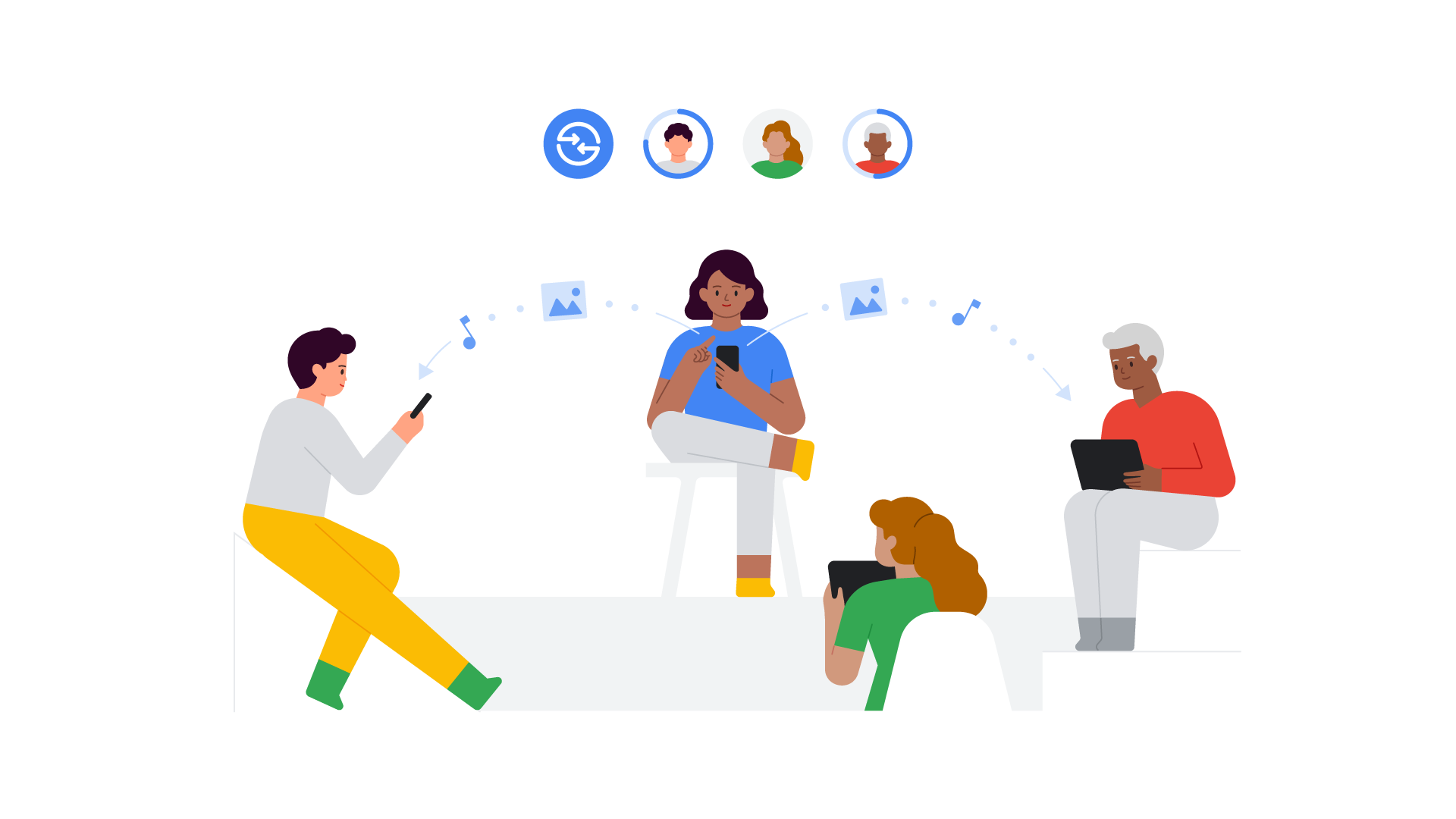
For the unversed, Apple has long been using AirDrop as a staple feature to share files across Apple devices, including iPads and Macs. Yes, there wasn’t any option to send or receive files from Android on any iPhone. The same goes for Google’s Quick Share, which had limited functionalities when it came to sending/receiving files to iPhones.
Google and Apple are working on fixing the interoperability issues
However, Google says it has invested a significant amount of time and energy in making both systems compatible. Eric Kay, Android’s VP of Engineering, confirmed the feature, making it available on more Android phones later this year. The rollout is expected to be gradual, given that we are talking about billions of devices out there. Moreover, there could be certain hardware and software prerequisites that’ll ultimately help Google fine-tune the feature across compatible devices.
Adding to it, Kay said the feature was initially tried on iPads and MacBooks as well. Since the feature works, why not expand it to the rest of the ecosystem, and that is where the enormous announcement came into being.

Until this point, Google hadn’t confirmed the feature, although there were tell-tale signs deep-rooted in its Google Play Store APK listing. Moreover, the search engine giant didn’t intend to keep this as a Pixel-only feature and, rather, worked on a standalone app that could reside on non-Pixel Android phones as well.
London-based Nothing has cited that it is working on the feature and the hardware it could take to make the transfers seamless. Moreover, chipmaker Qualcomm has already hinted that it is working on supporting the feature across Snapdragon-powered devices. However, the only question is, when? And it turns out, we don’t have a definitive answer as of writing this; however, we could hear more about it soon.