Tesla may be preparing Apple Car Keys support to fix phone key reliability issues

Jeeva Shanmugam
4 Min Read
Highlights
  • Tesla’s latest app update hints at native wallet-based digital keys, opening the door for Apple Car Keys support in the near future.
  • Moving away from Bluetooth-dependent Phone Key could fix common unlocking failures caused by background app restrictions and battery saving modes.
  • With rivals already adopting Apple Car Keys, Tesla now appears ready to follow the industry shift toward more reliable system-level car access.

Apple Car Keys could soon solve one of the most familiar frustrations for Tesla owners. If you own a Tesla, you are probably familiar with the Phone Key experience—when it works, it feels effortless. When it doesn’t, it can be frustrating. You walk up to the car, pull the handle, and nothing happens. The app is inactive, Bluetooth does not respond, and you’re left waiting for your car to recognize you.

That long-standing issue may finally be nearing a solution. Recent findings suggest Tesla is preparing native digital car key support, a move that could pave the way for Apple Car Keys integration. While Tesla has not officially confirmed anything, new changes discovered within the Tesla mobile app offer the strongest indication yet that a more reliable, system-level key experience may be coming.

New app code points to system-level wallet keys

In Tesla mobile app version 4.52.0, developers discovered references to something called “Harmony Wallet Key Cards.” Harmony Wallet is part of Huawei’s HarmonyOS, which is primarily used in China.

Tesla has not mentioned Apple directly. However, the presence of wallet-based key support is significant. Until now, Tesla’s Phone Key has existed entirely inside the Tesla app. These new references suggest Tesla is preparing for operating-system-level wallet integration, rather than relying solely on its own software.

This distinction matters. Once a system-level framework is in place, supporting other platforms, such as Apple Wallet, becomes much easier. Tesla also has a well-established pattern of testing new software features in China first, which makes the timing of this discovery especially relevant.
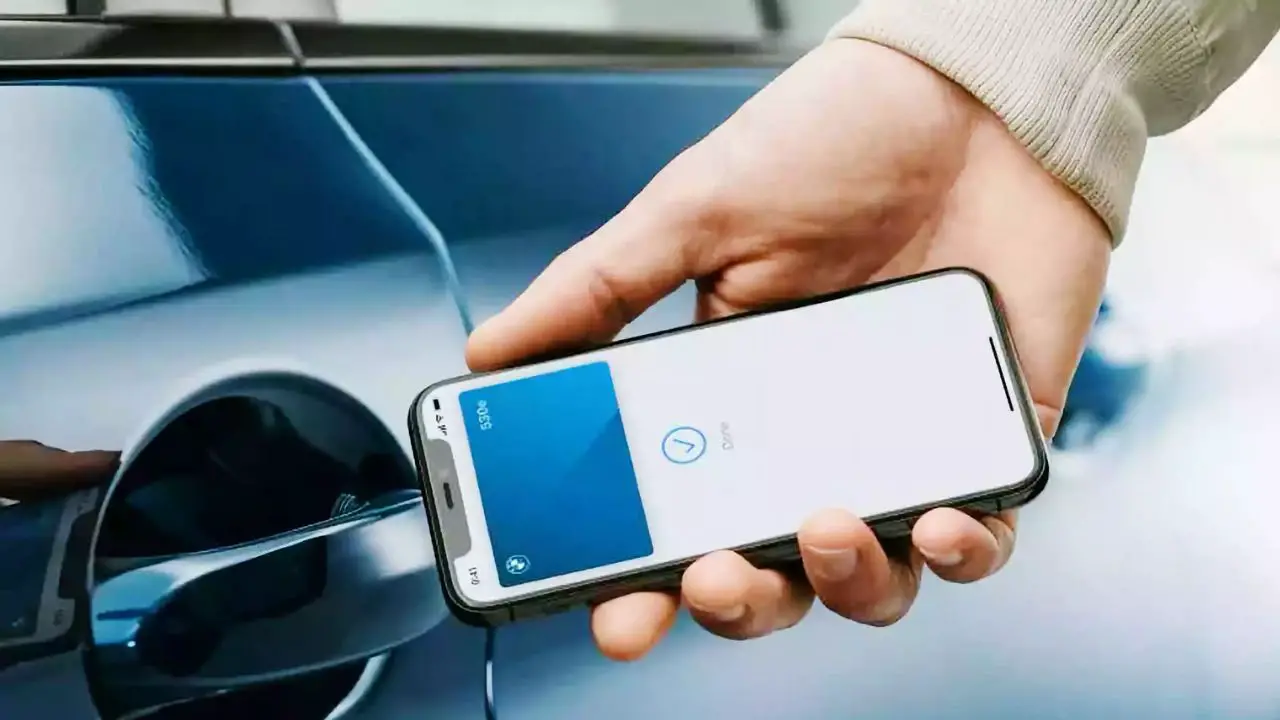
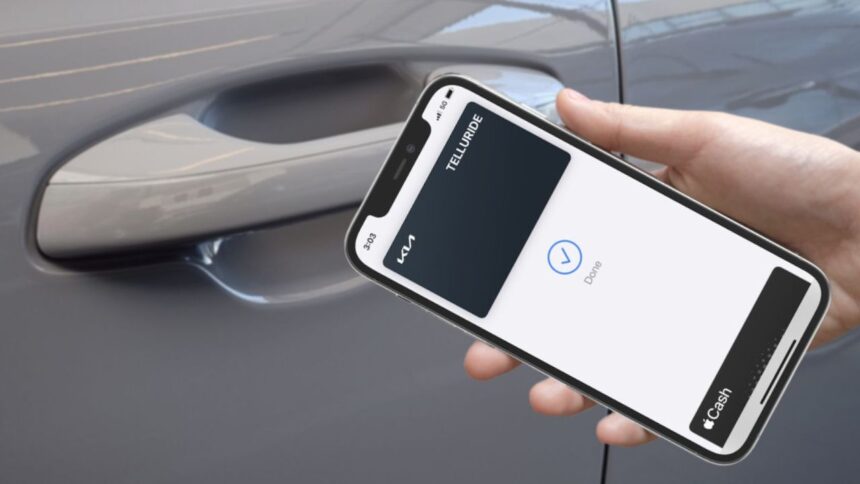
Apple Car Keys
Image Credits: BMW

Why Tesla’s current phone key can be unreliable

The root of the problem lies in how Tesla’s Phone Key works today. It depends completely on Bluetooth and the Tesla app running properly in the background. If your phone enters battery saver mode, the app is force-closed, or Bluetooth behaves inconsistently, the key may fail.

These are not rare situations. Many users encounter them regularly. Apple Car Keys, by comparison, operate at the operating system level. The digital key is stored securely inside the phone’s Secure Element, the same hardware used for contactless payments. This allows the key to function even when apps are not actively running.

What native digital keys would change for Tesla owners

If Tesla adopts Apple Car Keys, the benefits would be practical rather than flashy. Owners could unlock and start their cars without opening an app. The key could continue working for hours even after the phone battery dies. Sharing access would be as simple as sending a key through iMessage, with clear permission controls.

In other words, this would not be a feature upgrade—it would be a reliability fix. Several automakers already support Apple Car Keys, including Rivian, Porsche, and General Motors. In this area, Tesla is actually behind many of its competitors.

Tesla has long preferred to build and control its own ecosystem. However, persistent user experience issues, especially something as frequent as Bluetooth key failures, appear to be pushing the company toward a more robust solution.

Share This Article
Making spicy content on the Internet!
Highlights
  • Tesla’s latest app update hints at native wallet-based digital keys, opening the door for Apple Car Keys support in the near future.
  • Moving away from Bluetooth-dependent Phone Key could fix common unlocking failures caused by background app restrictions and battery saving modes.
  • With rivals already adopting Apple Car Keys, Tesla now appears ready to follow the industry shift toward more reliable system-level car access.

Apple Car Keys could soon solve one of the most familiar frustrations for Tesla owners. If you own a Tesla, you are probably familiar with the Phone Key experience—when it works, it feels effortless. When it doesn’t, it can be frustrating. You walk up to the car, pull the handle, and nothing happens. The app is inactive, Bluetooth does not respond, and you’re left waiting for your car to recognize you.

That long-standing issue may finally be nearing a solution. Recent findings suggest Tesla is preparing native digital car key support, a move that could pave the way for Apple Car Keys integration. While Tesla has not officially confirmed anything, new changes discovered within the Tesla mobile app offer the strongest indication yet that a more reliable, system-level key experience may be coming.

New app code points to system-level wallet keys

In Tesla mobile app version 4.52.0, developers discovered references to something called “Harmony Wallet Key Cards.” Harmony Wallet is part of Huawei’s HarmonyOS, which is primarily used in China.

Tesla has not mentioned Apple directly. However, the presence of wallet-based key support is significant. Until now, Tesla’s Phone Key has existed entirely inside the Tesla app. These new references suggest Tesla is preparing for operating-system-level wallet integration, rather than relying solely on its own software.

This distinction matters. Once a system-level framework is in place, supporting other platforms, such as Apple Wallet, becomes much easier. Tesla also has a well-established pattern of testing new software features in China first, which makes the timing of this discovery especially relevant.

Apple Car Keys
Image Credits: BMW

Why Tesla’s current phone key can be unreliable

The root of the problem lies in how Tesla’s Phone Key works today. It depends completely on Bluetooth and the Tesla app running properly in the background. If your phone enters battery saver mode, the app is force-closed, or Bluetooth behaves inconsistently, the key may fail.

These are not rare situations. Many users encounter them regularly. Apple Car Keys, by comparison, operate at the operating system level. The digital key is stored securely inside the phone’s Secure Element, the same hardware used for contactless payments. This allows the key to function even when apps are not actively running.

What native digital keys would change for Tesla owners

If Tesla adopts Apple Car Keys, the benefits would be practical rather than flashy. Owners could unlock and start their cars without opening an app. The key could continue working for hours even after the phone battery dies. Sharing access would be as simple as sending a key through iMessage, with clear permission controls.

In other words, this would not be a feature upgrade—it would be a reliability fix. Several automakers already support Apple Car Keys, including Rivian, Porsche, and General Motors. In this area, Tesla is actually behind many of its competitors.

Tesla has long preferred to build and control its own ecosystem. However, persistent user experience issues, especially something as frequent as Bluetooth key failures, appear to be pushing the company toward a more robust solution.
Share This Article
Making spicy content on the Internet!