- OpenAI recently reported more than 230 million people reach out to ChatGPT for health-related questions each week.
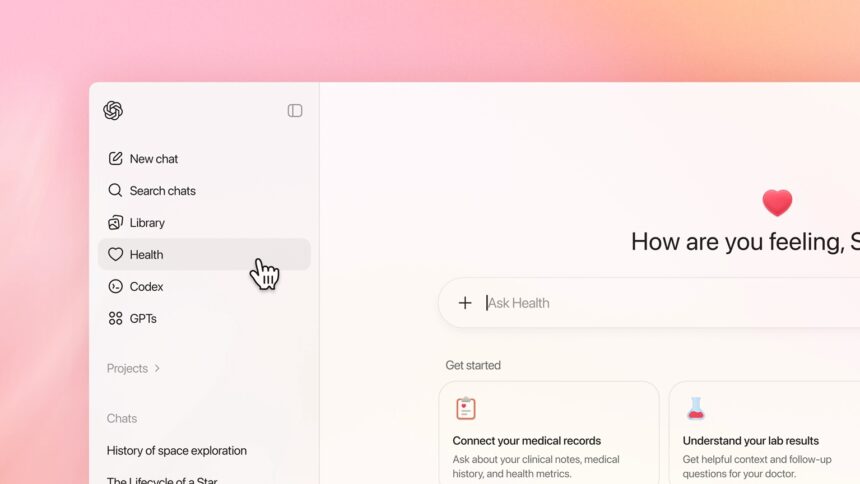
- Amid all that, OpenAI just launched a dedicated ChatGPT Health, a tool that brings all your health and wellness-related questions on a separate handle.
- OpenAI says users can introduce medical records as well for tailored responses.
Figuratively, more than 230 million people asked ChatGPT health questions every week. That puts OpenAI at a fair advantage to release a dedicated tool for health, and that’s what the AI giant did earlier on Wednesday. ChatGPT Health is now live, taking up questions related to health, fitness, wellness, and beyond, without splurging the conversation over to the standard ChatGPT experience.
OpenAI launches ChatGPT Health amid strong demand for health advice
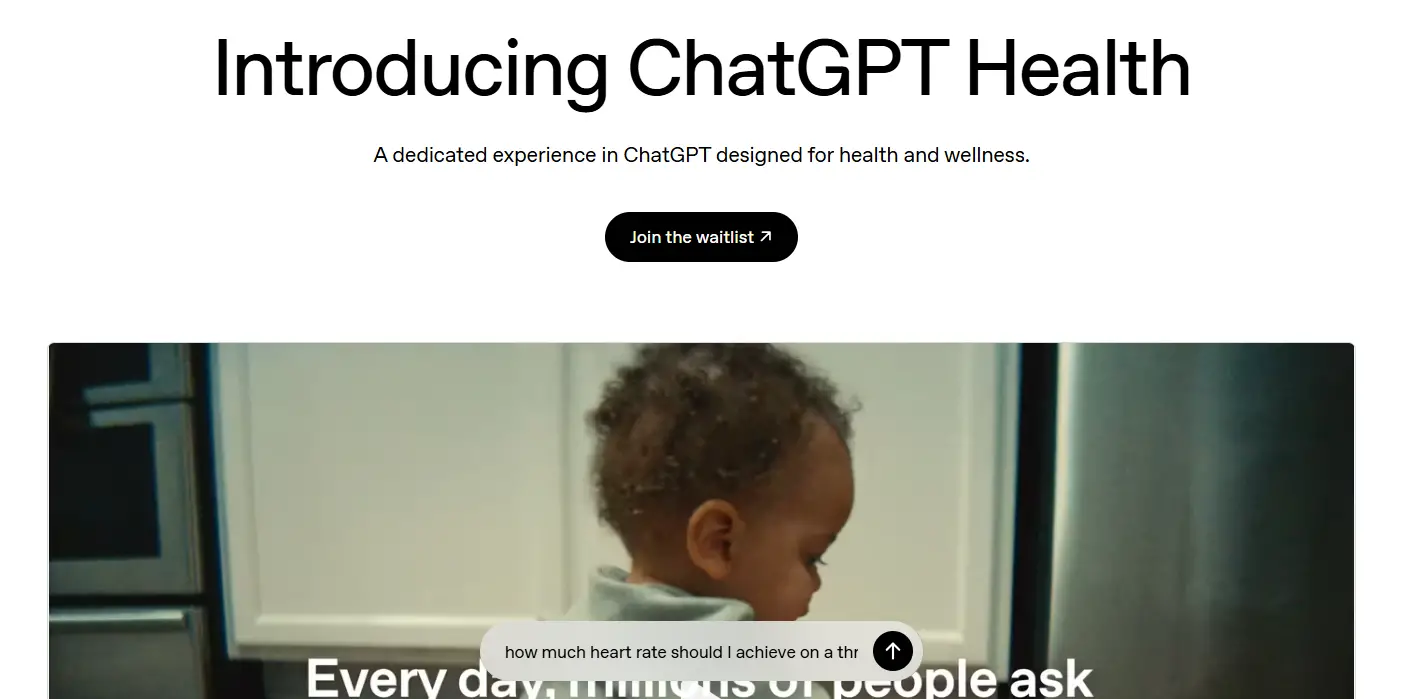
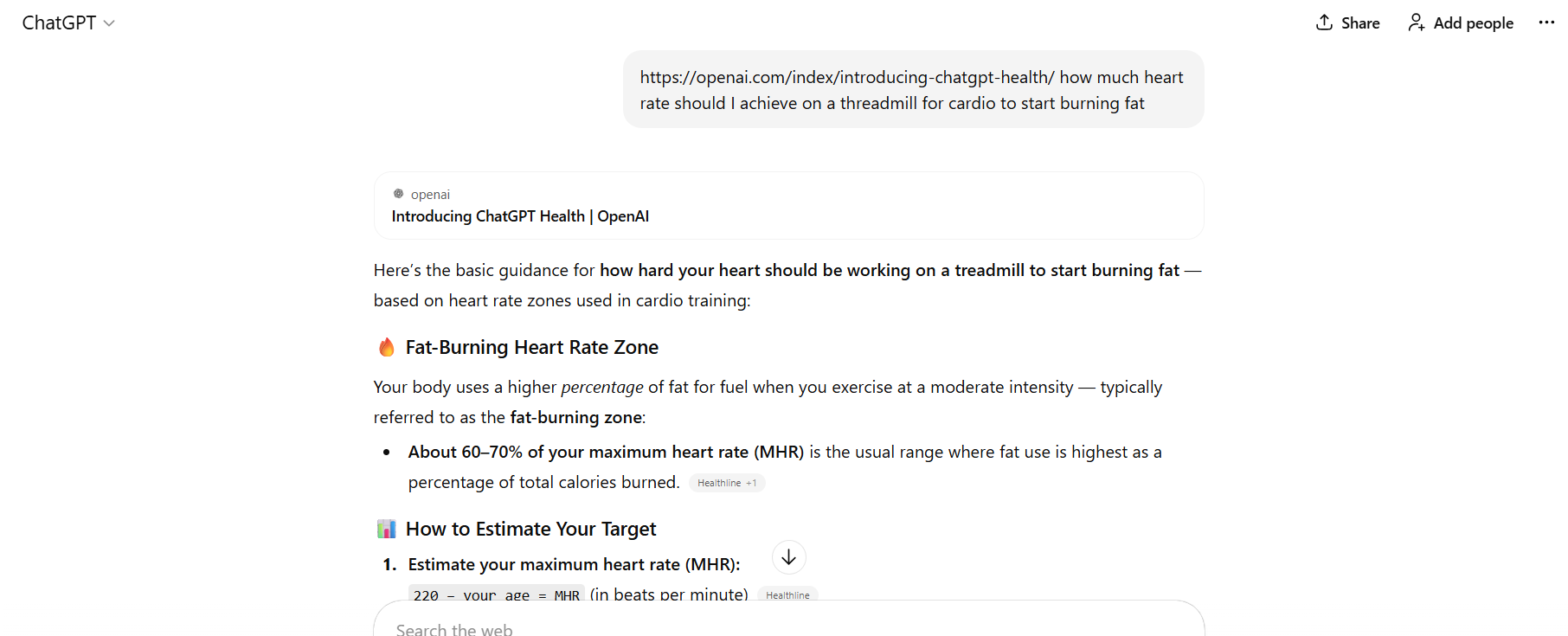
OpenAI has officially launched ChatGPT Health, a dedicated tool that takes all your health-related questions. This comes shortly after OpenAI reported that over 230 million people have asked health questions on ChatGPT each week, and I would be one of them, for sure.
The objective here is to allow users to ask health, wellness, fitness, and other related questions with a separate chat history and memory. Unlike the usual approach, where you just open a new chat to ask health questions and simultaneously open a tab for how to find the best burgers in town, this dedicated setup actually keeps your standard and health questions separated. It means no more health responses splurging over to the standard ChatGPT.
Do note that ChatGPT will still learn your objectives by asking health questions. If you are a runner asking for marathons nearby on a standard ChatGPT, ChatGPT Health would know it, and the responses would be similar. There are also options to connect personal medical records with ChatGPT, such as by using Weight Watchers, MyFitnessPal, Peloton, Apple Health, etc., to get tailored responses. However, the AI giant ensures no data will be used to train its AI model, although I personally doubt that.
Do note that any LLM is trained to get the most logical or appropriate responses to any questions. It doesn’t mean the responses will be accurate, such as in the case of health conversations where a doctor would diagnose based on millions of variables that could affect something as negligible as a rise in body temperature, aka fever. This is called AI hallucinations, so if you think you have a serious question to ask, you can proceed with ChatGPT Health, but get it vetted by a doctor to prevent any ill-fate.

Coming back to ChatGPT Health in a true samaritan way, OpenAI aims to bring credible health responses to people who don’t have access to good healthcare, to address the lack of continuity in care, to ease overbooked or overworked doctors, and to reduce access barriers such as cost, etc.
For now, the feature is yet to roll out to the masses. You can still join the waitlist to become the first one among your group of friends to try it out.
Even though ChatGPT Health is a great tool, caution is required. Note that True-Tech doesn’t endorse such a move to rely solely on this tool but rather to consult doctors from time to time.