Apple may turn to Intel again for future iPhone chips

Aadil Raval
3 Min Read
Highlights
  • Apple is contemplating working with Intel to get its iPhone chips fabricated.
  • The Cupertino-based giant will continue to design the chips, however, Intel will play a vital role in manufacturing the chipsets alongside TSMC and probably Samsung.
  • This is an attempt to cut down its reliance on TSMC where NVIDIA has replaced Apple as its largest customer given the influx in demand of AI chips.

It appears that the Apple Intel iPhone chip partnership could be making a comeback, according to a research note from Jeff Pu, an analyst at GF Securities. The note suggests that some upcoming Apple iPhone chips may be manufactured using Intel’s 14A process, which is expected to enter mass production in 2028.

Apparently, Apple wants to diversify its suppliers of chips and not rely on a single player such as TSMC. This means upcoming non-Pro iPhone models starting in 2028 could bring on-board Intel chipsets thanks to the expected chip supply deal. This means we could see Intel working on future Apple A21 or A22 chips for Apple while TSMC still reigns as the dominant chip maker.

Intel’s role likely limited to chip fabrication, not design

According to MacRumors, it doesn’t seem like Intel will be involved in designing iPhone chips, and rather, it would be involved with the fabrication of chips only.

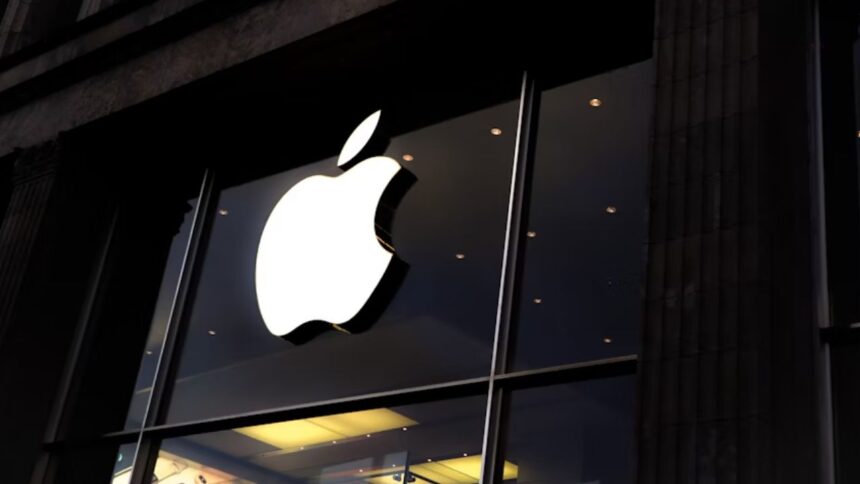
Apple Intel iPhone chip partnership: Intel’s 14A process could power future iPhones from 2028
Image Credits: Apple

Intel has worked with Apple on multiple chipsets to date. There was an era when Macs would arrive with Intel chipsets based on x86 architecture. There are Intel-based Macs in 2020. On account of iPhones, Intel supplied cellular models on iPhones ranging from iPhone 7 to iPhone 11. 

Potential expansion to Macs and iPads using Intel’s 18A process

Moving forward, Apple could partner with Intel for Mac and iPad chips as well. This would mean Intel could be shipping lowest-end M-series chips for iPads and Macs as early as mid-2027, and for that, Intel could be using the Intel 18A process for the fabrication.

The move comes around the time when Apple has been replaced by Nvidia as TSMC’s biggest supplier. NVIDIA has been heavily investing in AI servers and beyond, especially as it is closely linked to OpenAI’s ChatGPT. It means diversifying its chip supply from TSMC and Intel, which means Apple could reduce its reliance on the former. 

In fact, just a while ago, we learned how Apple was also exploring Samsung Foundry for the upcoming Apple 2nm chipsets, given Samsung already launched the 2nm Exynos 2600 SoC. This could help Apple buffer increasing costs on memory chips, especially by securing bulk orders and diversifying its supply chain. 

Share This Article
Follow:
A wordsmith, a kin tech observer, a sci-fi fanatic and a scientific documentary buff.
Highlights
  • Apple is contemplating working with Intel to get its iPhone chips fabricated.
  • The Cupertino-based giant will continue to design the chips, however, Intel will play a vital role in manufacturing the chipsets alongside TSMC and probably Samsung.
  • This is an attempt to cut down its reliance on TSMC where NVIDIA has replaced Apple as its largest customer given the influx in demand of AI chips.

It appears that the Apple Intel iPhone chip partnership could be making a comeback, according to a research note from Jeff Pu, an analyst at GF Securities. The note suggests that some upcoming Apple iPhone chips may be manufactured using Intel’s 14A process, which is expected to enter mass production in 2028.

Apparently, Apple wants to diversify its suppliers of chips and not rely on a single player such as TSMC. This means upcoming non-Pro iPhone models starting in 2028 could bring on-board Intel chipsets thanks to the expected chip supply deal. This means we could see Intel working on future Apple A21 or A22 chips for Apple while TSMC still reigns as the dominant chip maker.

Intel’s role likely limited to chip fabrication, not design

According to MacRumors, it doesn’t seem like Intel will be involved in designing iPhone chips, and rather, it would be involved with the fabrication of chips only.

Apple Intel iPhone chip partnership: Intel’s 14A process could power future iPhones from 2028
Image Credits: Apple

Intel has worked with Apple on multiple chipsets to date. There was an era when Macs would arrive with Intel chipsets based on x86 architecture. There are Intel-based Macs in 2020. On account of iPhones, Intel supplied cellular models on iPhones ranging from iPhone 7 to iPhone 11. 

Potential expansion to Macs and iPads using Intel’s 18A process

Moving forward, Apple could partner with Intel for Mac and iPad chips as well. This would mean Intel could be shipping lowest-end M-series chips for iPads and Macs as early as mid-2027, and for that, Intel could be using the Intel 18A process for the fabrication.

The move comes around the time when Apple has been replaced by Nvidia as TSMC’s biggest supplier. NVIDIA has been heavily investing in AI servers and beyond, especially as it is closely linked to OpenAI’s ChatGPT. It means diversifying its chip supply from TSMC and Intel, which means Apple could reduce its reliance on the former. 

In fact, just a while ago, we learned how Apple was also exploring Samsung Foundry for the upcoming Apple 2nm chipsets, given Samsung already launched the 2nm Exynos 2600 SoC. This could help Apple buffer increasing costs on memory chips, especially by securing bulk orders and diversifying its supply chain. 
Share This Article
Follow:
A wordsmith, a kin tech observer, a sci-fi fanatic and a scientific documentary buff.