- Project Toscana introduces under-display infrared face unlock that works accurately even in complete darkness without changing the phone’s front design.
- The system focuses on faster authentication speed and stronger biometric security, aiming to match premium face recognition experiences already in the market.
- Google is expanding Project Toscana beyond phones, testing it for Pixel devices and upcoming Chromebooks to enable instant, secure login without passwords.
For years, Android users have lived with a small but noticeable frustration. Project Toscana, a newly leaked internal effort at Google, aims to make face unlock faster, more reliable, and usable in any lighting, not just ideal conditions. Currently, face unlock works smoothly during the day, but once the lights go off, it often fails, making this upgrade a practical improvement for everyday use.
Google quietly fixing a real-world problem with Project Toscana
Most Android face unlock systems rely on the front camera and visible light. That works fine in bright environments but struggles in dim rooms or at night. While some high-end phones use dedicated infrared hardware for secure facial recognition, many devices still depend on software-based methods.
Reports from Android-focused tech outlets indicate Project Toscana is designed to improve real-world usability, ensuring face unlock works when users actually need it, not only when lighting is perfect.
According to Android Authority, Google may use under-display infrared sensors to power the new system. These sensors would sit beneath the screen, allowing the phone to detect facial features using infrared light without visible hardware.
Pixel 11 could be the first to feature the technology
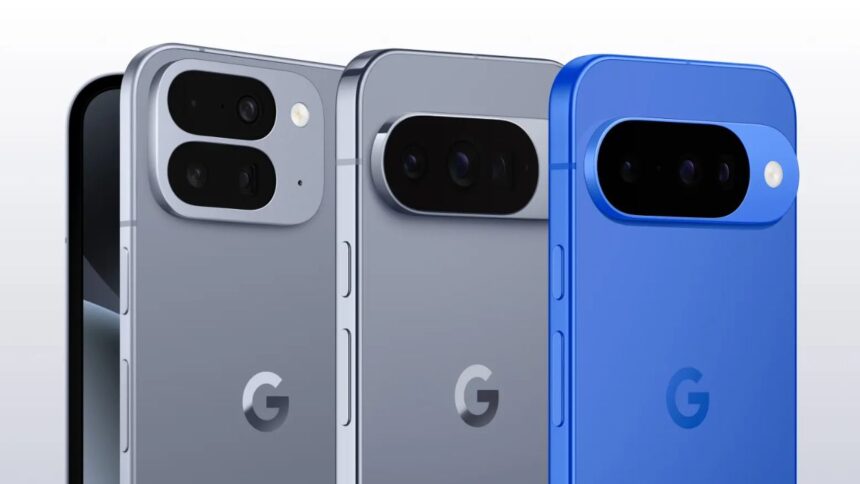
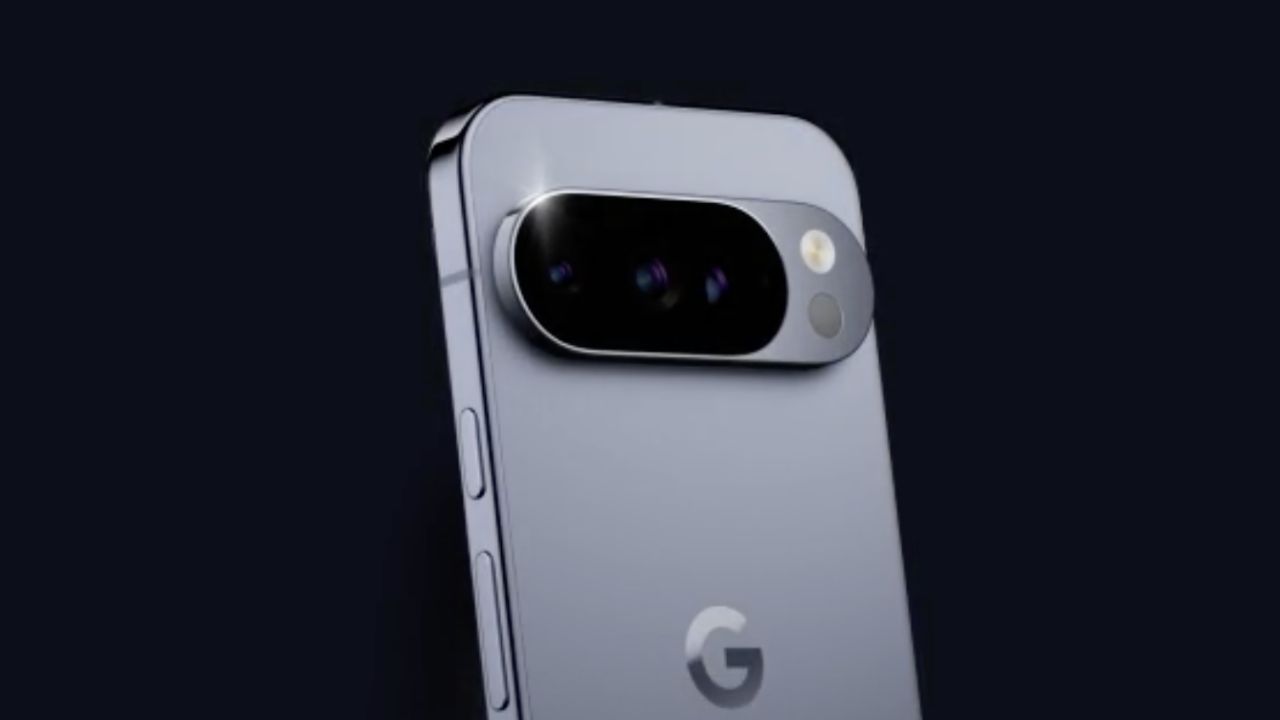
Industry speculation points to the Pixel 11 as the first device expected to feature Project Toscana. While Google has not confirmed the technology, reports suggest the phone will look similar to current models but include a significantly stronger facial recognition system.
Early testers say Project Toscana is not just about face unlock in darkness. It is also about speed. Lift the phone; it unlocks instantly. No delay, no retry. That smooth experience is what users actually care about daily.
Possible expansion to Chromebooks
Sources indicate Google is also testing the technology for Chromebooks. If implemented, users could log in simply by sitting in front of their laptop screens. Most laptops still rely heavily on passwords or PINs. Facial recognition could provide a quicker and more secure alternative while fitting into Google’s broader ecosystem of seamless device access.
A strong backup to fingerprint unlock
Pixel devices already offer dependable fingerprint unlocking. However, fingerprint sensors can struggle when fingers are wet, sweaty, dirty, or covered by gloves. A sophisticated face unlock system would serve as a reliable backup in these situations.
It could also improve accessibility by offering a secure biometric option for users who prefer not to use fingerprints for identification.
Industry competition
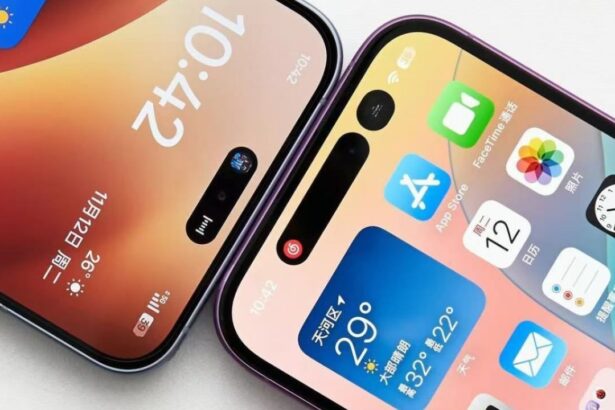
There are ongoing rumors that Apple is exploring under-display sensing technologies for future iPhones. Currently, Apple uses its TrueDepth camera system for Face ID. If Google launches Toscana first, it could be among the earliest to bring under-display infrared facial recognition to mainstream consumers.
In conclusion, Project Toscana is not flashy and not marketing heavy. But it’s a meaningful upgrade. Hidden sensors, better face unlock in darkness, faster response, and support for phones and laptops. If it ships as expected, Pixel users will feel the difference immediately.
Although Google has not officially announced the project, and details may evolve before release. But if the technology arrives as expected, Pixel users could notice a real difference, not in marketing headlines, but in the smooth, everyday experience of unlocking their devices.