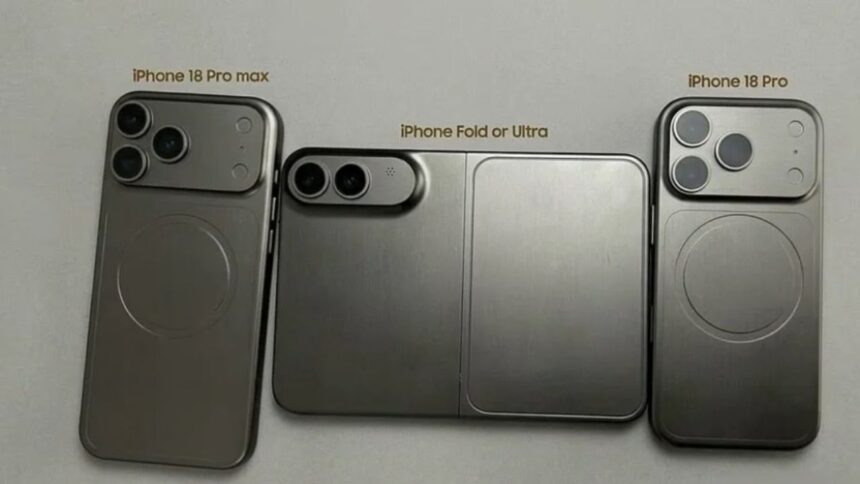
Apple’s iPhone Ultra could finally solve the biggest problem with foldable phones

Jeeva Shanmugam
4 Min Read
Highlights
  • Apple has reportedly sent its foldable iPhone prototypes to carriers worldwide, indicating the device has entered an important phase of network testing and certification.
  • The upcoming foldable iPhone is expected to feature a liquid metal hinge, which could offer significantly better durability and wear resistance than traditional hinge materials.
  • Reports suggest mass production may begin in July, with the device potentially launching alongside the iPhone 18 Pro series later this year.

Foldable phones have long had one weak point—not the display, not the software, but the hinge. More specifically, it comes down to the liquid metal hinge technology. No matter how impressive a foldable phone looks on day one, its long-term value depends on how well that hinge holds up after months or years of daily use. That’s what makes the latest report about Apple’s foldable iPhone worth paying attention to.

Apple’s foldable iPhone is already in carrier testing

According to information shared by Weibo-based leaker Fixed Focus Digital, Apple has already started sending prototype units to carriers in different markets. This is usually one of the final stages before a device gets approved for network compatibility and certification. In simple terms, the project seems to be moving ahead pretty fast.

The biggest talking point right now isn’t the display size or the processor. It’s the liquid metal hinge. Earlier reports claimed some of Apple’s foldable prototypes struggled during internal durability testing.

Apple is known for being extremely strict when it comes to product quality, so any weakness in the hinge would have been a serious issue. Now it looks like the company may have found a solution.

A special alloy that could change everything

The new liquid metal mechanism is said to use a special alloy that offers much better resistance to wear compared to conventional hinge materials. The material is also strong without adding too much weight, which is important in a foldable device.

A foldable phone can be opened and closed thousands of times every year. Over time, friction becomes a real problem. That’s where a liquid metal mechanism could make a noticeable difference.
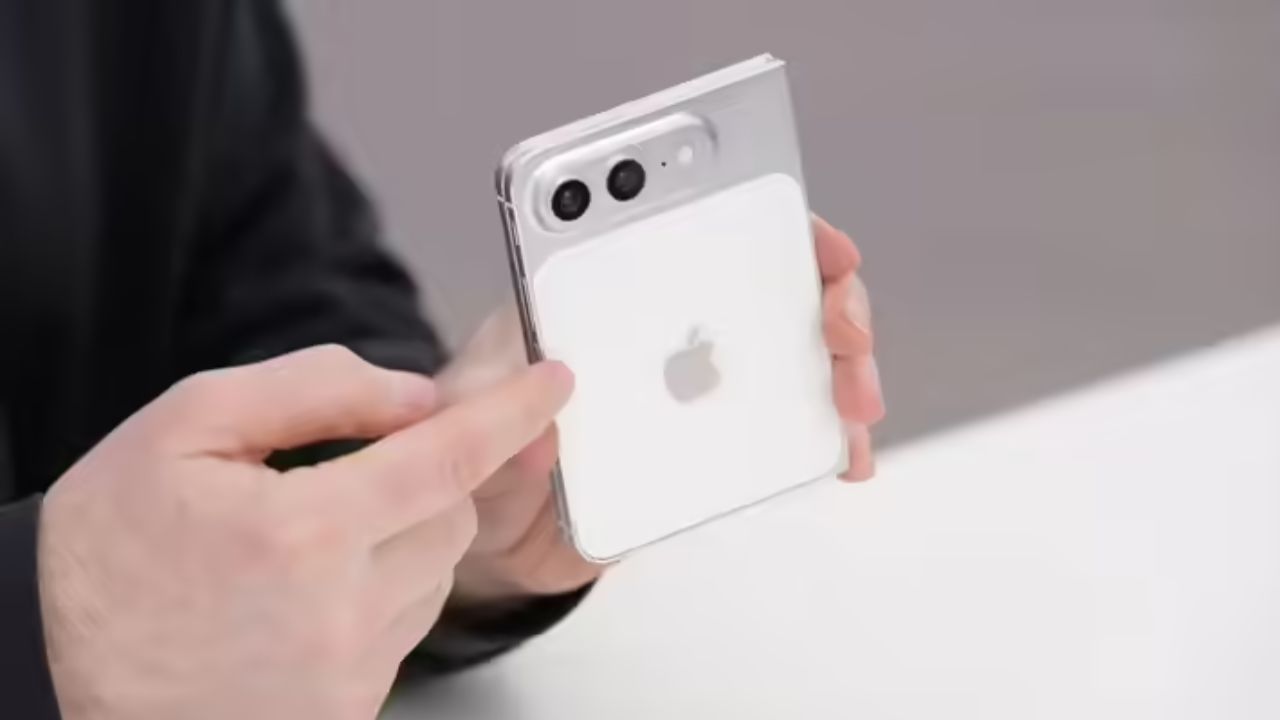

liquid metal hinge
Image Credits: Unbox Theraphy on X

Apple has been building toward this since 2010

What’s interesting is that this isn’t new technology for Apple. The company signed an agreement with Liquidmetal Technologies back in 2010. Since then, the material has mostly appeared in very small components because large-scale production wasn’t easy.

Now, if these reports are accurate, Apple is finally ready to use the material in one of the most important parts of a product. Analyst Ming-Chi Kuo has previously reported that Dongguan EonTec will be the exclusive supplier of these alloy components.

What we know about the specs so far

Current rumors point to:

  • 7.8-inch inner display
  • 5.5-inch cover display
  • A20 chip
  • C2 modem
  • Side-mounted Touch ID
  • Dual rear cameras

Price and release timeline

Pricing will not be cheap. Expect the retail cost to start around $2,000 when it hits shelves. Mass production is reportedly scheduled to begin in July. If there are no major delays, the foldable iPhone could arrive alongside the iPhone 18 Pro series later this year.

Keep up with the tech that actually matters.

From breaking news to deep dives, TrueTech brings you the tech stories worth knowing.
Add us as a preferred source on Google Search for quicker access to our coverage.

Add TrueTech as a preferred source on Google

Overall, at this stage, the new mechanism technology might be more important than any camera upgrade or chipset improvement. Foldable phones have improved a lot over the past few years, but durability still remains a concern for many buyers.

Share This Article
Making spicy content on the Internet!
Highlights
  • Apple has reportedly sent its foldable iPhone prototypes to carriers worldwide, indicating the device has entered an important phase of network testing and certification.
  • The upcoming foldable iPhone is expected to feature a liquid metal hinge, which could offer significantly better durability and wear resistance than traditional hinge materials.
  • Reports suggest mass production may begin in July, with the device potentially launching alongside the iPhone 18 Pro series later this year.

Foldable phones have long had one weak point—not the display, not the software, but the hinge. More specifically, it comes down to the liquid metal hinge technology. No matter how impressive a foldable phone looks on day one, its long-term value depends on how well that hinge holds up after months or years of daily use. That’s what makes the latest report about Apple’s foldable iPhone worth paying attention to.

Apple’s foldable iPhone is already in carrier testing

According to information shared by Weibo-based leaker Fixed Focus Digital, Apple has already started sending prototype units to carriers in different markets. This is usually one of the final stages before a device gets approved for network compatibility and certification. In simple terms, the project seems to be moving ahead pretty fast.

The biggest talking point right now isn’t the display size or the processor. It’s the liquid metal hinge. Earlier reports claimed some of Apple’s foldable prototypes struggled during internal durability testing.

Apple is known for being extremely strict when it comes to product quality, so any weakness in the hinge would have been a serious issue. Now it looks like the company may have found a solution.

A special alloy that could change everything

The new liquid metal mechanism is said to use a special alloy that offers much better resistance to wear compared to conventional hinge materials. The material is also strong without adding too much weight, which is important in a foldable device.

A foldable phone can be opened and closed thousands of times every year. Over time, friction becomes a real problem. That’s where a liquid metal mechanism could make a noticeable difference.

liquid metal hinge
Image Credits: Unbox Theraphy on X

Apple has been building toward this since 2010

What’s interesting is that this isn’t new technology for Apple. The company signed an agreement with Liquidmetal Technologies back in 2010. Since then, the material has mostly appeared in very small components because large-scale production wasn’t easy.

Now, if these reports are accurate, Apple is finally ready to use the material in one of the most important parts of a product. Analyst Ming-Chi Kuo has previously reported that Dongguan EonTec will be the exclusive supplier of these alloy components.

What we know about the specs so far

Current rumors point to:

  • 7.8-inch inner display
  • 5.5-inch cover display
  • A20 chip
  • C2 modem
  • Side-mounted Touch ID
  • Dual rear cameras

Price and release timeline

Pricing will not be cheap. Expect the retail cost to start around $2,000 when it hits shelves. Mass production is reportedly scheduled to begin in July. If there are no major delays, the foldable iPhone could arrive alongside the iPhone 18 Pro series later this year.

Keep up with the tech that actually matters.

From breaking news to deep dives, TrueTech brings you the tech stories worth knowing.
Add us as a preferred source on Google Search for quicker access to our coverage.

Add TrueTech as a preferred source on Google

Overall, at this stage, the new mechanism technology might be more important than any camera upgrade or chipset improvement. Foldable phones have improved a lot over the past few years, but durability still remains a concern for many buyers.
Share This Article
Making spicy content on the Internet!