- Android 16 QPR2 Beta 2 introduces a developer verification system that requires apps to come from verified developers before they can be installed on certified devices.
- The update strengthens SMS one-time password protection by delaying access to retriever hashes, making hijacking attacks more difficult.
- The Android Runtime now uses a more efficient garbage collector that improves performance and extends battery life.
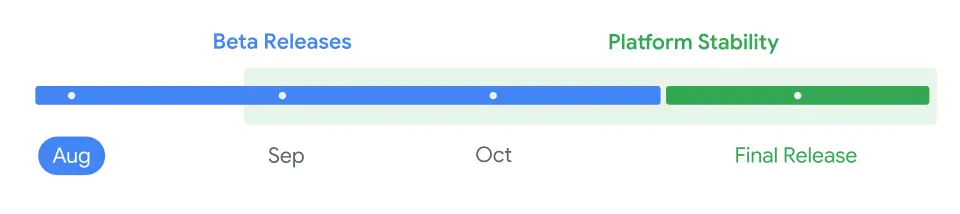
Google has started rolling out Android 16 QPR2 Beta 2. This is an important step because the company has locked the API, which means that all app-related behaviors are now set. This lets developers safely update their apps before the official public release.
Developer verification testing
A new developer verification system is being introduced to make Android safer by reducing the risk of malware. Starting in September 2026, certified Android devices in certain regions will only be able to install apps that are registered by a verified developer.
- Installs via Android Debug Bridge (ADB) remain exempt, allowing developers to continue testing without restrictions.
- New APIs support verification checks during installation and provide tools to simulate both successful and failed results.
SMS OTP protection
To help combat OTP hijacking attacks, Android 16 QPR2 introduces a delay in how SMS-based one-time passwords are delivered to most apps:
- SMS messages containing retriever hashes will be delayed by three hours.
- The RECEIVE\_SMS broadcast and SMS database queries will also be withheld during this window.
- Exemptions include core apps such as the default SMS app, assistant, dialer, system apps, and connected device companion apps.
- Developers can continue using the SMS Retriever API for real-time OTP access.
Custom app icon shapes
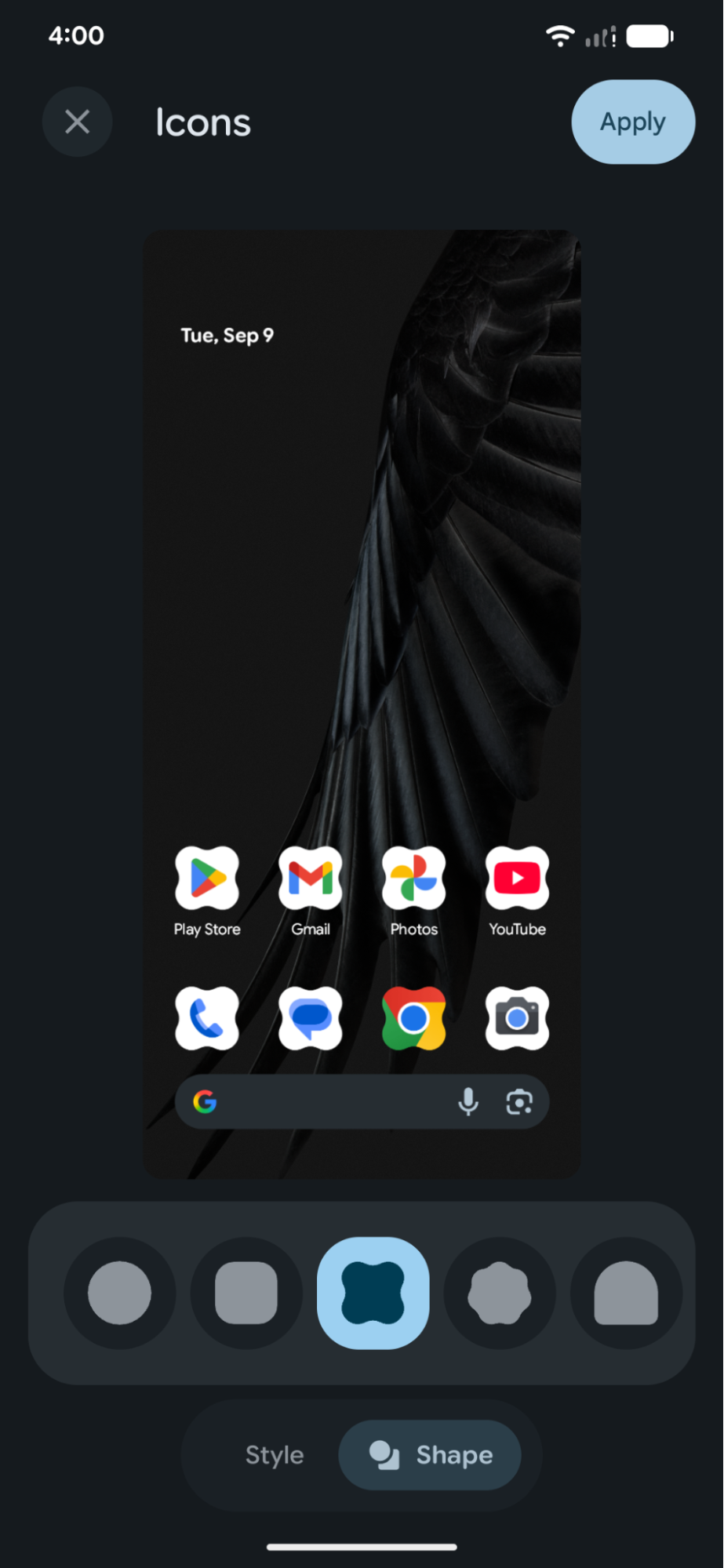
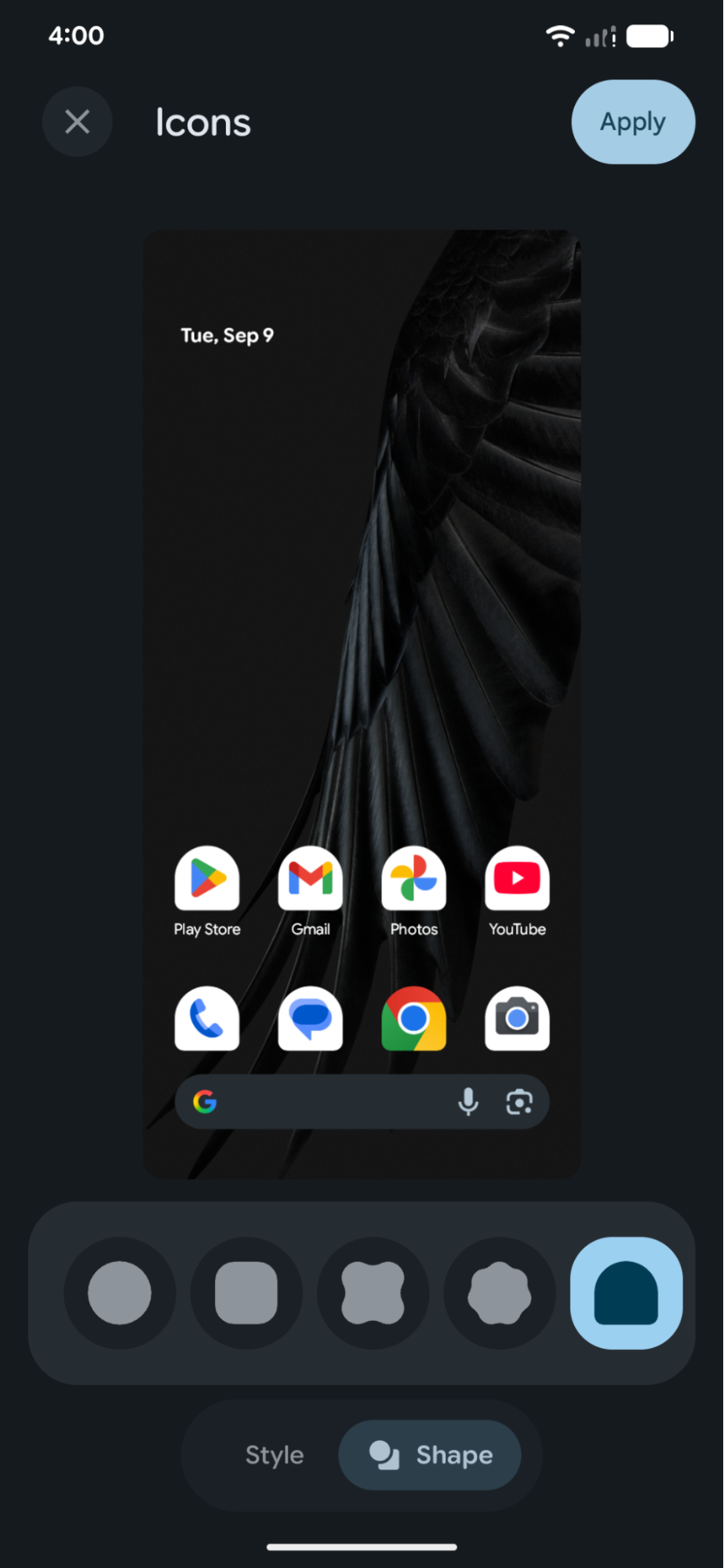
Android 16 QPR2 expands customization by supporting multiple app icon shapes. The update ensures that icons and folder previews are consistent across the system, requiring developers to optimize adaptive icons for all available styles.
More efficient garbage collection
Performance improvements arrive through the Android Runtime (ART), which now leverages a Generational Concurrent Mark-Compact (CMC) Garbage Collector.
- Focuses on reclaiming newly created objects most likely to be discarded.
- Reduces CPU load from garbage collection.
- Provides smoother performance and improved battery efficiency.
Health Connect enhancements
The Health Connect platform gains new capabilities with Android 16 QPR2, including native step tracking using device sensors.
- Apps with the READ\_STEPS permission can directly access step data from the Android system, lowering power consumption and simplifying implementation.
- Expanded support for ExerciseSegment and ExerciseSession data types allows apps to record weight, set index, and Rate of Perceived Exertion (RPE).
- Since Health Connect updates independently of Android, developers are encouraged to check availability to ensure compatibility.
Minor SDK version support
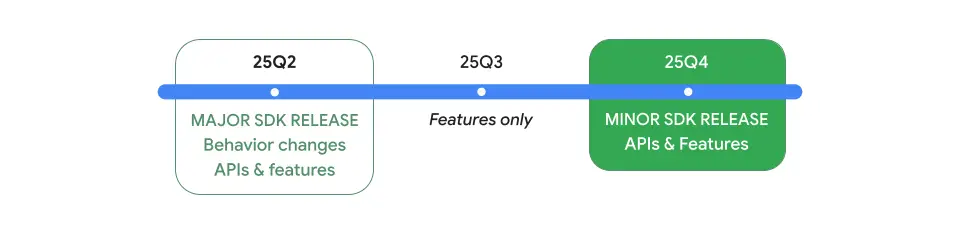
This beta introduces Android’s first minor SDK version, enabling Google to roll out new APIs more frequently without waiting for major annual releases.
- These changes are additive and avoid app-breaking behavior.
- Developers can check for QPR2-specific APIs using new minor SDK version values.
- Minor SDK versions cannot be declared in the uses-sdk manifest attribute, reinforcing their role as non-breaking additions.

Availability and enrollment
Android 16 QPR2 Beta 2 is now available for supported Pixel devices through the Android Beta Program, with automatic over-the-air updates for enrolled devices.
- Non-Pixel users can access 64-bit system images via the Android Emulator in Android Studio.
- Devices already in the Beta Program will receive Beta 2 automatically.
- Canary Program users must wipe and manually flash their devices to move onto the Beta track.
- Google recommends using the latest Android Studio Narwhal Feature Drop (Canary) for optimal development compatibility.
The release of Android 16 QPR2 Beta 2 is an important step toward the final version of Android 16. With improvements in security, performance, customization, and developer tools, Google is getting both users and developers ready for a stable release that focuses on safety, efficiency, and flexibility.