- Apple is working on a 2nm chipset for upcoming iPhone 18 Pro Series slated to arrive later this year.
- This is a giant leap from 3nm chipsets to 2nm given the intricacies and complexities that goes into engineering 15-20% more transistors on-board than A18 Pro's 19 billion transistors.
- Apple is likely to opt for a split launch strategy with Pro series launching coming September 2026 followed by non-Pro a months later.
The race to 2nm chipsets is on as Samsung has already announced Exynos 2600. Turns out the Cupertino giant is working on 2nm Apple chipsets powering the 2026 flagship iPhones. Slated for a September 2026 launch, the chipset could make iPhones slightly expensive, given the increased component cost.
Apple 2nm chipset could impact pricing of 2026 iPhone models
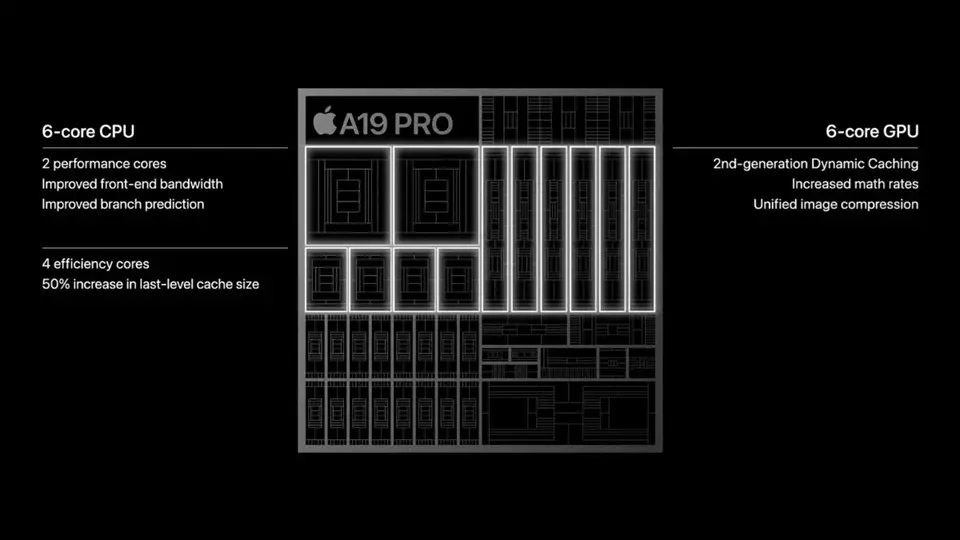
We are awaiting iPhone 18 Pro, iPhone 18 Pro Max, iPhone Air 2, and iPhone Fold — the 2026 flagship iPhones. These models will be powered by Apple A20 or A20 Pro SoCs developed by the Taiwan Semiconductor Manufacturing Company (TSMC) using the 2nm node. This is a leap from the current-gen 3nm node used on Apple A19 Pro SoC, giving more transistors and the performance throughput with it.

A report coming from Taiwan dictates that the silicon wafers used in the manufacturing of these chipsets using the cutting-edge 2nm node would cost around $30,000 (or INR 27 lacs) for a 12-inch wafer comprising 100 individual layers. These wafers are later cut to mint 2nm Apple chipsets, which are then packed and shipped to power devices.
The cost of similar silicon wafers for a 3nm process is around $20,000 (or INR 18 lacs), which highlights a 33 percent increase in the manufacturing cost that will be ultimately passed on to the customers.
The report plots a cost of $280 per chipset for A20 or A20 Pro to Apple, an 87 percent increase from $150 per chipset on last year’s A19 Pro and more than 6x the cost of A18 Pro at $50/chip.
Ultimately, Apple could either absorb the cost by decreasing the profit or pass it on to the end users by hiking the price tags on 2026 iPhone models. I would personally go for the first instance to happen, but given the past reports, I would say the price hike on iPhones is imminent.

Samsung, on the other hand, has already launched its 2nm Exynos 2600 SoC that will power the lineup of Galaxy S26 series coming in a few weeks. These chipsets are being sold at 33 percent lower than TSMC, although with a slightly lower yield rate.
It remains to be seen just how the upcoming 2026 2nm Apple chipsets would perform once they hit the shelves.