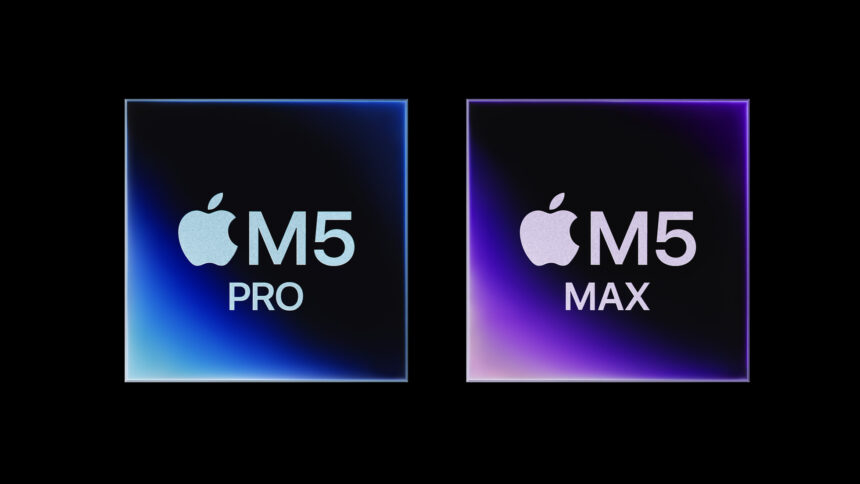
- Apple has launched the next-gen M5 Pro and M5 Max chipsets with an all-new Fusion architecture.
- M5 Pro is an ideal pick for pro users while M5 Max maxes out at 40-core GPUs ideal for app developers and AI researchers.
- Apple MacBook Pro, MacBook Air, iPad Pro, and Vision Pro will be the first takers coming in next week.
We got our hands on the latest chipsets at the Apple Experience event 2026. I am talking about the all-new Apple M5 Pro and Apple M5 Max chipsets with Fusion architecture and super cores, as they make their debut on MacBook Pro 14 and 16 models as early as March 4. Here’s what we know about these two flagship chipsets.
Apple M5 Pro and M5 Max SoCs launches with 18-core CPU and up to 40-core GPUs
Apple unveiled both M5 Pro and M5 Max SoCs at the Apple Experience event earlier on Wednesday. Well, the new chipsets use Fusion architecture, aka a method whereby Apple was able to combine two third-gen 3nm dies using advanced packaging. This means both the chipsets now have 18-core CPUs, a scalable GPU, a unified memory controller, a Neural Engine, a Media Engine, and Thunderbolt 5 capabilities.

The M5 Pro and M5 Max bring an 18-core CPU consisting of 6 new super cores and 12 performance cores. In fact, both chipsets share the same core configuration, unlike M4 Pro and M4 Max. The Cupertino-based giant says the new super core on board the M5 Pro/Max is industry-leading and comes with the fastest single-threaded performance, a new cache hierarchy, increased bandwidth, and enhanced branch prediction.
Heading to the GPU, that’s where the distinction arises. The M5 Pro packs in a 20-core GPU with a 16-core Neural Engine, whereas the M5 Max is configured with a 32-core or 40-core GPU. Each of these cores brings a Neural Accelerator. According to Apple, these GPUs deliver 4 times the peak computer performance as M4 Pro/Max, while their Ray Tracing performance sees a 35% increase compared to their predecessors.
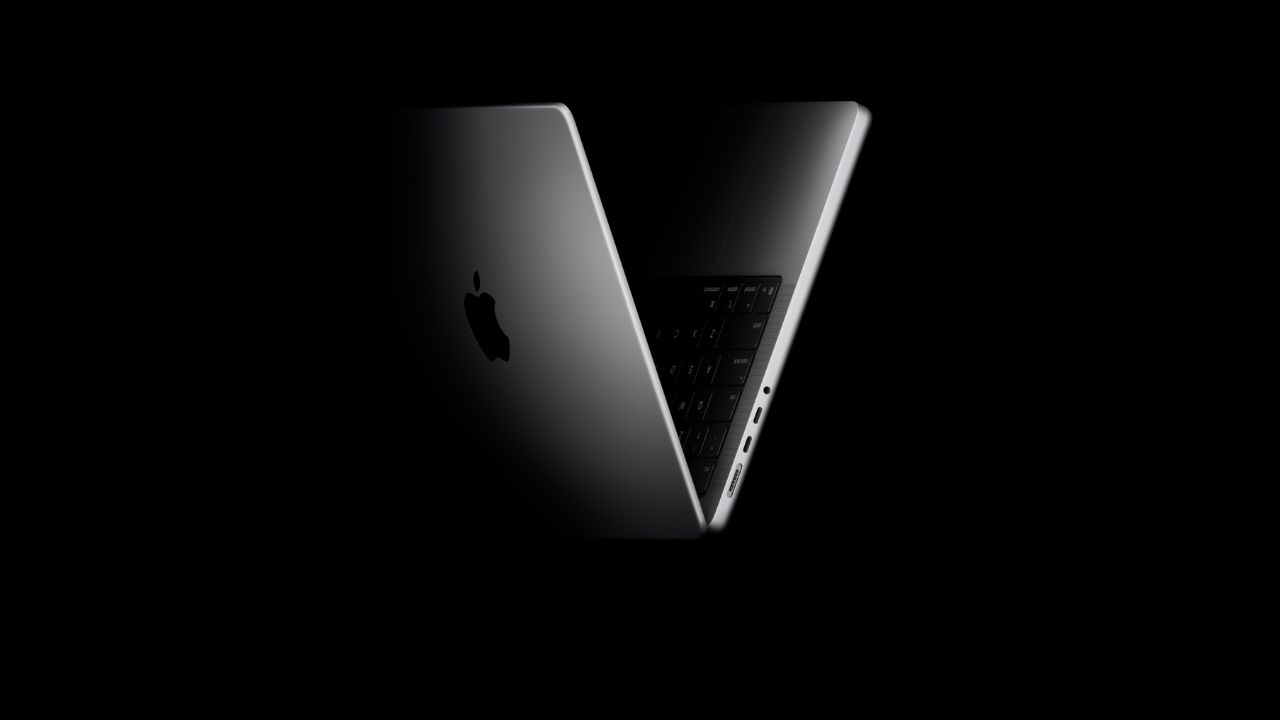
Technically, the M5 Pro is designed for pro users such as video post-production, graphics, data modelers, etc. On the other hand, the M5 Max takes on ultra-heavy users such as app developers, AI researchers, and 3D animators, allowing users to take advantage of the powertrain under the hood.
The newly launched MacBook Pro 14”, MacBook 16”, iPad Pro, and MacBook Air will be among the first to receive the M5 series, heading for pre-orders starting March 4.