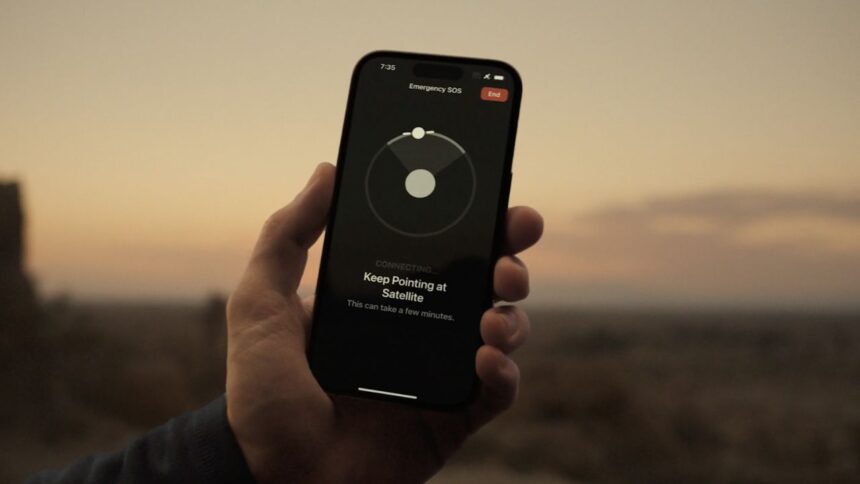
Apple to expand satellite connectivity for iPhone and Apple Watch

Jeeva Shanmugam
4 Min Read
Highlights
  • Apple is preparing to expand the Apple satellite feature with a new Satellite API, allowing developers to build apps that work even without mobile networks.
  • Future iPhones may include 5G NTN support, enabling stronger global connectivity and smoother satellite communication for users in remote areas.
  • Apple is also testing satellite-powered navigation and photo messaging, aiming to make off-grid communication more natural and seamless across devices.

Apple is now working seriously on expanding its Apple satellite feature for both iPhone and Apple Watch. This is not just a small update. It’s part of a long plan that actually started almost ten years ago. According to Bloomberg’s Mark Gurman, Apple is improving both software and hardware to make satellite communication a regular part of the Apple ecosystem.

Apple’s next big plan with its satellite feature on iPhone and Apple Watch

When this idea started, Apple’s goal was to make iPhones connect directly to satellites without using normal mobile networks. It took years of research, but things started moving when Apple introduced the Emergency SOS via satellite on iPhone 14 in 2022. That feature helped users contact emergency services when there was no signal. Later, Apple added Roadside Assistance and even allowed two-way texting for non-emergency situations.

All this development is handled by a special internal group called the Satellite Connectivity Group (SCG), and they work with Globalstar’s satellite network to make everything function smoothly.
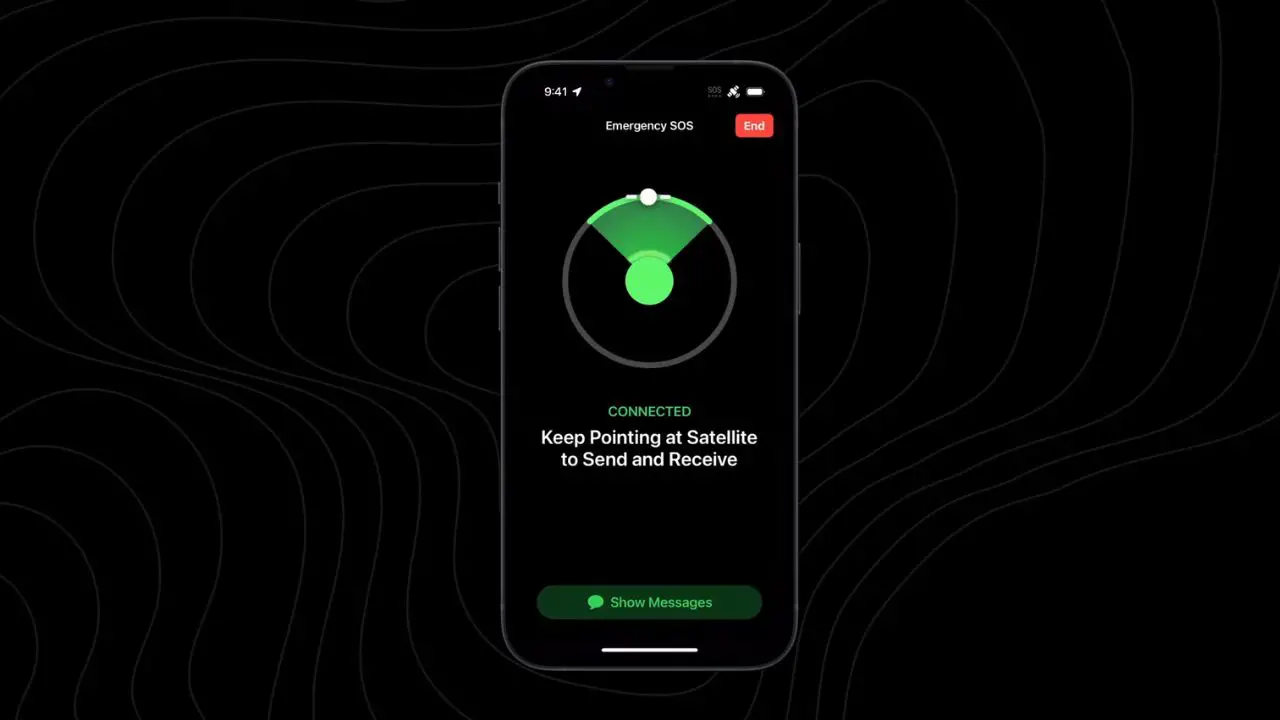
Image Credits: Apple

What is Apple planning next?

Now Apple is going further. The company is currently working on new tools and updates that will expand what the Apple satellite feature can do. One big thing is the new Satellite API. This will let third-party developers build apps that can use satellite connections. It means apps in the future could work even in places where there is no mobile or Wi-Fi connection.

Another big project is satellite navigation in Apple Maps. This means users will be able to use turn-by-turn navigation even when they are in remote areas with no network. Apple is also trying to make it possible to send photos over satellite, not just text messages. This would be a big step because sending images through a satellite link is much harder than sending text.

Apple also wants to make the connection smarter. The company is working on improving the signal, so users don’t have to point their phones toward the sky every time they want to connect. The idea is that iPhones will maintain a satellite link even if they are in your pocket or inside a car.

Next year’s iPhones are expected to include 5G NTN (Non-Terrestrial Networks) support. This technology allows normal mobile networks to connect with satellites directly, so users can have wider coverage anywhere in the world.

Apple’s competition and business idea

Apple is not the only company trying this. SpaceX’s Starlink, Verizon, and AT&T are also working on their own satellite-to-phone systems. But Apple wants to stay in control of its own technology. The company prefers building its own network and features to maintain privacy, design, and performance in every region.

The basic features, like Emergency SOS, will probably stay free. But advanced services may be part of paid plans offered through carriers or satellite providers. Apple has no plans to allow satellite phone calls, video calls, or web browsing for now. The focus is still on important data and messaging when there’s no normal signal.

Overall, the Apple satellite feature started as a small emergency option, but now it’s turning into something much bigger. Apple’s goal is to make sure people can stay connected anywhere, no matter if there’s a network or not. With the upcoming iPhones, new software, and the Satellite API for developers, this technology could soon become one of the most important features Apple has ever built.


Share This Article
Making spicy content on the Internet!
Highlights
  • Apple is preparing to expand the Apple satellite feature with a new Satellite API, allowing developers to build apps that work even without mobile networks.
  • Future iPhones may include 5G NTN support, enabling stronger global connectivity and smoother satellite communication for users in remote areas.
  • Apple is also testing satellite-powered navigation and photo messaging, aiming to make off-grid communication more natural and seamless across devices.

Apple is now working seriously on expanding its Apple satellite feature for both iPhone and Apple Watch. This is not just a small update. It’s part of a long plan that actually started almost ten years ago. According to Bloomberg’s Mark Gurman, Apple is improving both software and hardware to make satellite communication a regular part of the Apple ecosystem.

Apple’s next big plan with its satellite feature on iPhone and Apple Watch

When this idea started, Apple’s goal was to make iPhones connect directly to satellites without using normal mobile networks. It took years of research, but things started moving when Apple introduced the Emergency SOS via satellite on iPhone 14 in 2022. That feature helped users contact emergency services when there was no signal. Later, Apple added Roadside Assistance and even allowed two-way texting for non-emergency situations.

All this development is handled by a special internal group called the Satellite Connectivity Group (SCG), and they work with Globalstar’s satellite network to make everything function smoothly.

Image Credits: Apple

What is Apple planning next?

Now Apple is going further. The company is currently working on new tools and updates that will expand what the Apple satellite feature can do. One big thing is the new Satellite API. This will let third-party developers build apps that can use satellite connections. It means apps in the future could work even in places where there is no mobile or Wi-Fi connection.

Another big project is satellite navigation in Apple Maps. This means users will be able to use turn-by-turn navigation even when they are in remote areas with no network. Apple is also trying to make it possible to send photos over satellite, not just text messages. This would be a big step because sending images through a satellite link is much harder than sending text.

Apple also wants to make the connection smarter. The company is working on improving the signal, so users don’t have to point their phones toward the sky every time they want to connect. The idea is that iPhones will maintain a satellite link even if they are in your pocket or inside a car.

Next year’s iPhones are expected to include 5G NTN (Non-Terrestrial Networks) support. This technology allows normal mobile networks to connect with satellites directly, so users can have wider coverage anywhere in the world.

Apple’s competition and business idea

Apple is not the only company trying this. SpaceX’s Starlink, Verizon, and AT&T are also working on their own satellite-to-phone systems. But Apple wants to stay in control of its own technology. The company prefers building its own network and features to maintain privacy, design, and performance in every region.

The basic features, like Emergency SOS, will probably stay free. But advanced services may be part of paid plans offered through carriers or satellite providers. Apple has no plans to allow satellite phone calls, video calls, or web browsing for now. The focus is still on important data and messaging when there’s no normal signal.

Overall, the Apple satellite feature started as a small emergency option, but now it’s turning into something much bigger. Apple’s goal is to make sure people can stay connected anywhere, no matter if there’s a network or not. With the upcoming iPhones, new software, and the Satellite API for developers, this technology could soon become one of the most important features Apple has ever built.

Share This Article
Making spicy content on the Internet!