Why Android chipmakers are looking at Samsung’s heat pass block technology

Aadil Raval
3 Min Read
Highlights
  • Samsung's heat pass block technology could appear on other Android chipsets as well.
  • Samsung has proven 16% improvement in heat dissipation using the new tech bringing the heat sink closer to DRAM and application processor.
  • This could further introduce better clock speeds, longer and sustained performance, and better heat dissipation on the chipsets.

Samsung Heat Pass Block technology, first introduced with the Exynos 2600, may soon arrive on major chipsets, as many Android chipmakers are exploring the option. Apparently, Samsung pulled off the momentous task of attaching HPB right above the application processor, facilitating thermal resistance by 16 percent. This, on the other hand, enables the chipset to reach higher clock speeds and sustained performance. This is probably what Qualcomm and MediaTek could use in their chipsets moving forward.

Samsung’s heat pass block technology is gaining more traction

The latest update comes from a tipster, Fixed-focus digital cameras on Weibo, according to whom many chip makers are considering slapping the Heat Pass Block technology on their chipsets, without naming them. Some of the contenders are Qualcomm Snapdragon 8 Elite Gen6 and Gen6 Pro, alongside upcoming Dimensity flagship chipsets. 
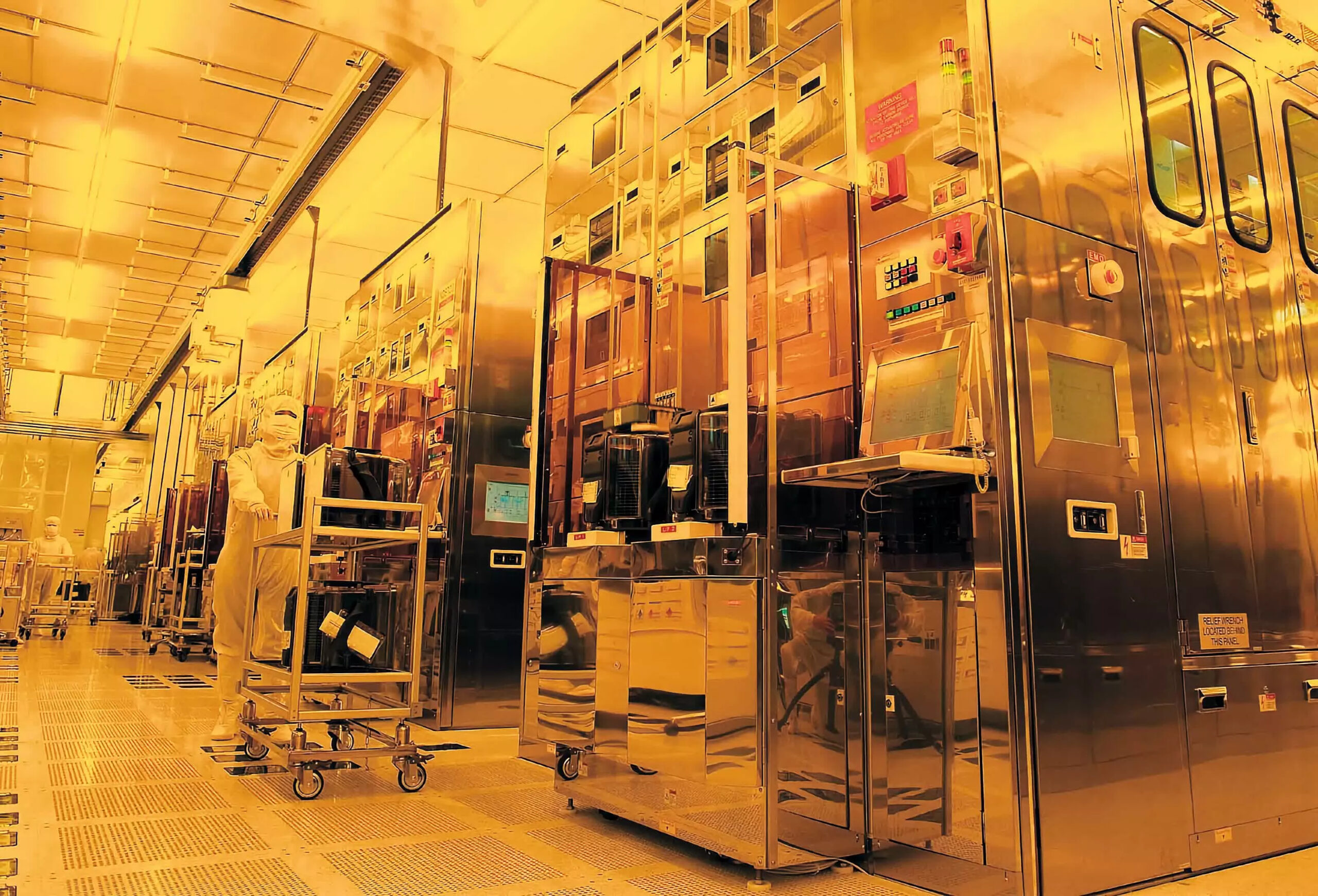
Samsung heat pass block technology could expand to Android flagship chipsets
Image Credits: TSMC

Qualcomm is using high-performance Oryon cores on its Gen6 and Gen6 Pro chipsets, unlocking a frequency of around 4.80GHz. It means the chipsets can handle more than ever, and that often induces more heat generation, and without proper dissipation, this may result in a lack of sustained performance.

Decoding the tech for faster heat dissipation

Samsung heat pass block technology could expand to Android flagship chipsets
Representational image generated using AI by Aditya Rasik for TrueTech

Earlier, Samsung had been suffering from heat dissipation issues; however, they switched to Heat Pass Block technology, bringing the heat sink in direct contact with the processor and moving DRAM alongside. Perhaps this is what is making upcoming Exynos chipsets improve thermal resistance by 16 percent, and in turn, it improves performance. 

Qualcomm’s Snapdragon 8 Gen Elite5 punched upwards with a high-performance core buzzing at 4.61GHz. However, to achieve the feat, it had to overclock, and that often resulted in disastrous thermals if not checked carefully.

Now that Qualcomm is moving to a new TSMC 2nm N2P process, reaching even better frequency, the power draw could be enormous, resulting in higher heat dissipation. Although TSMC’s chipsets have been efficient enough, this is where Qualcomm could use Samsung’s HBP technology to ensure thermal resistance is taken care of.

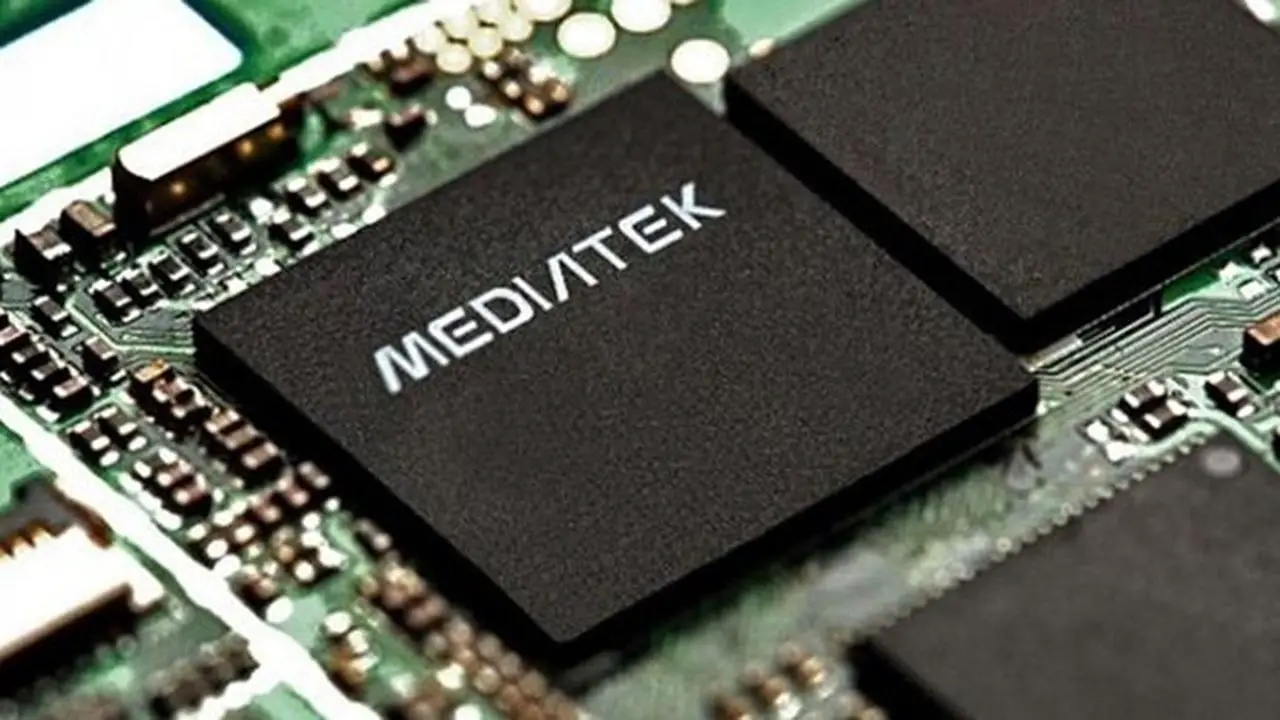
In fact, MediaTek Dimensity flagship chipsets could benefit from the tech as well. We don’t think the Dimensity 9600 SoC will be the adopter; however, we assume future Dimensity iterations could opt for efficiency cooling technologies to ensure longer sustained performance. 

It remains to be seen when and how Android chipsets will adopt HBP technology, including Qualcomm, MediaTek, and, who knows, UniSoc; HiSilicon might join.


Share This Article
Follow:
A wordsmith, a kin tech observer, a sci-fi fanatic and a scientific documentary buff.
Highlights
  • Samsung's heat pass block technology could appear on other Android chipsets as well.
  • Samsung has proven 16% improvement in heat dissipation using the new tech bringing the heat sink closer to DRAM and application processor.
  • This could further introduce better clock speeds, longer and sustained performance, and better heat dissipation on the chipsets.

Samsung Heat Pass Block technology, first introduced with the Exynos 2600, may soon arrive on major chipsets, as many Android chipmakers are exploring the option. Apparently, Samsung pulled off the momentous task of attaching HPB right above the application processor, facilitating thermal resistance by 16 percent. This, on the other hand, enables the chipset to reach higher clock speeds and sustained performance. This is probably what Qualcomm and MediaTek could use in their chipsets moving forward.

Samsung’s heat pass block technology is gaining more traction

The latest update comes from a tipster, Fixed-focus digital cameras on Weibo, according to whom many chip makers are considering slapping the Heat Pass Block technology on their chipsets, without naming them. Some of the contenders are Qualcomm Snapdragon 8 Elite Gen6 and Gen6 Pro, alongside upcoming Dimensity flagship chipsets. 

Samsung heat pass block technology could expand to Android flagship chipsets
Image Credits: TSMC

Qualcomm is using high-performance Oryon cores on its Gen6 and Gen6 Pro chipsets, unlocking a frequency of around 4.80GHz. It means the chipsets can handle more than ever, and that often induces more heat generation, and without proper dissipation, this may result in a lack of sustained performance.

Decoding the tech for faster heat dissipation

Samsung heat pass block technology could expand to Android flagship chipsets
Representational image generated using AI by Aditya Rasik for TrueTech

Earlier, Samsung had been suffering from heat dissipation issues; however, they switched to Heat Pass Block technology, bringing the heat sink in direct contact with the processor and moving DRAM alongside. Perhaps this is what is making upcoming Exynos chipsets improve thermal resistance by 16 percent, and in turn, it improves performance. 

Qualcomm’s Snapdragon 8 Gen Elite5 punched upwards with a high-performance core buzzing at 4.61GHz. However, to achieve the feat, it had to overclock, and that often resulted in disastrous thermals if not checked carefully.

Now that Qualcomm is moving to a new TSMC 2nm N2P process, reaching even better frequency, the power draw could be enormous, resulting in higher heat dissipation. Although TSMC’s chipsets have been efficient enough, this is where Qualcomm could use Samsung’s HBP technology to ensure thermal resistance is taken care of.

In fact, MediaTek Dimensity flagship chipsets could benefit from the tech as well. We don’t think the Dimensity 9600 SoC will be the adopter; however, we assume future Dimensity iterations could opt for efficiency cooling technologies to ensure longer sustained performance. 

It remains to be seen when and how Android chipsets will adopt HBP technology, including Qualcomm, MediaTek, and, who knows, UniSoc; HiSilicon might join.

Share This Article
Follow:
A wordsmith, a kin tech observer, a sci-fi fanatic and a scientific documentary buff.