YouTube updates AI labeling system with automatic detection tools

Akarsh Rasik
3 Min Read
Highlights
  • YouTube is making AI labels more visible on videos and Shorts to improve transparency for viewers.
  • YouTube says AI disclosure labels will not affect video recommendations or monetization eligibility.
  • Starting in May 2026, YouTube will automatically detect and label some AI-generated content.

YouTube is implementing updated AI labels that will make disclosures more visible for viewers while adding new automatic detection systems for AI-generated content. The YouTube AI labels announcement comes as a part of the company’s effort to improve transparency around generative AI videos on the platform.

YouTube moves AI labels to more visible locations

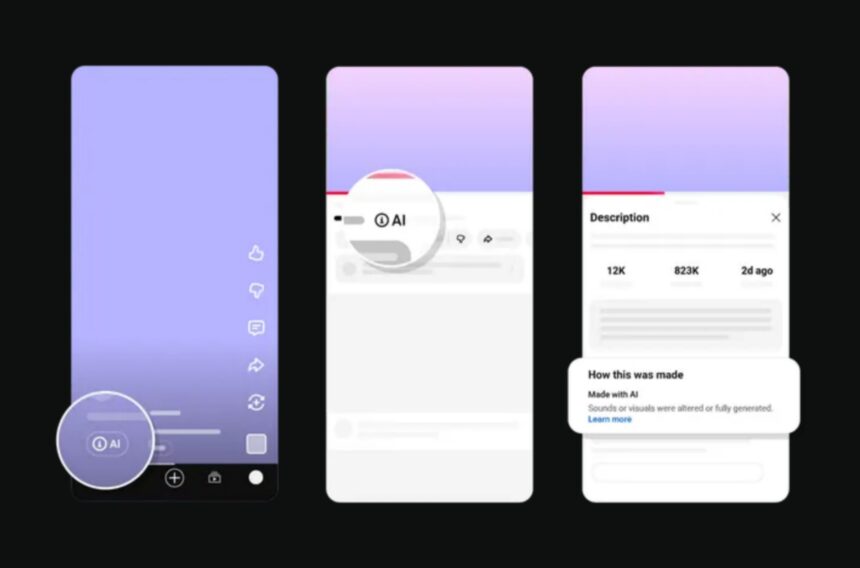
Under the new updated system, YouTube AI labels will appear in more noticeable placements across the platform. For long-form videos, the label will now appear directly below the video player and above the description section. Previously, viewers often had to expand descriptions to find disclosure information. For YouTube Shorts, the disclosure will appear as an overlay directly on the video.

YouTube said this single-label format will apply to all realistic AI-generated or AI-modified content on the platform. The company also clarified that unrealistic, animated, or lightly edited content will still include disclosures in the expanded description instead of the main label area.

Automatic AI detection rolling out in May 2026

A major part of the update involves automatic AI detection technology. Starting May 2026, YouTube will begin using internal signals to identify videos that contain significant AI-generated content. If creators do not choose to disclose AI usage and YouTube’s systems detect realistic AI-generated content, the platform can automatically apply a label to the video.

YouTube clarified that creators will still be responsible for manually disclosing AI usage. However, the automated system could improve reliability and reduce missing disclosures. Other than that, the company also pointed out that creators can dispute incorrect labels through YouTube Studio if they believe their content was wrongly identified.
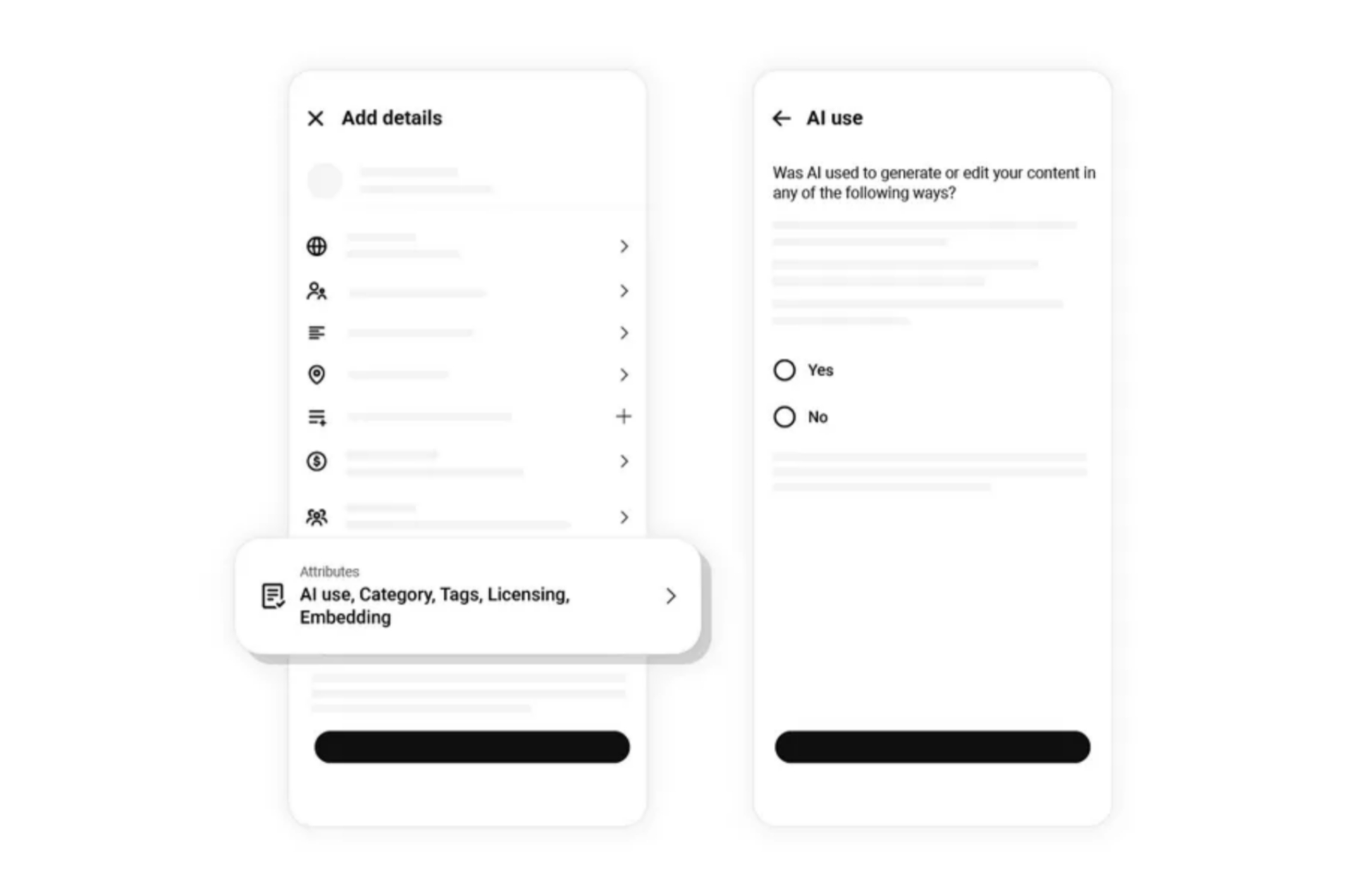
YouTube AI labels introduce improved disclosure features
Image Credits: YouTube

Some AI labels will remain permanent

While creators can edit disclosure settings in many cases, YouTube confirmed that some AI labels will remain permanent.

These include content made using YouTube’s own AI tools such as Veo and Dream Screen. Videos containing C2PA metadata that identifies content as fully generative AI will also receive permanent disclosures.

If you are not familiar, C2PA, or the Coalition for Content Provenance and Authenticity, is an industry standard that tracks and verifies the origin of digital media.
AI labels will not impact recommendations or monetization

YouTube noted that disclosure labels alone will not affect how videos are recommended by the platform’s algorithm. The company also said labeled videos will still remain eligible for monetization under existing policies.

According to YouTube, the goal is to provide viewers with clearer information without limiting creator control. The platform said generative AI tools are drastically changing online content creation, and transparency remains a priority for both creators and audiences.

The new labeling system and automated disclosures are expected to begin rolling out in May 2026.

Keep up with the tech that actually matters.

From breaking news to deep dives, TrueTech brings you the tech stories worth knowing.
Add us as a preferred source on Google Search for quicker access to our coverage.
Add TrueTech as a preferred source on Google
Share This Article
Follow:
Writing about emerging gadgets and technology news, as well as keeping you updated on movie and music news, with a focus on all things K-pop.
Highlights
  • YouTube is making AI labels more visible on videos and Shorts to improve transparency for viewers.
  • YouTube says AI disclosure labels will not affect video recommendations or monetization eligibility.
  • Starting in May 2026, YouTube will automatically detect and label some AI-generated content.

YouTube is implementing updated AI labels that will make disclosures more visible for viewers while adding new automatic detection systems for AI-generated content. The YouTube AI labels announcement comes as a part of the company’s effort to improve transparency around generative AI videos on the platform.

YouTube moves AI labels to more visible locations

Under the new updated system, YouTube AI labels will appear in more noticeable placements across the platform. For long-form videos, the label will now appear directly below the video player and above the description section. Previously, viewers often had to expand descriptions to find disclosure information. For YouTube Shorts, the disclosure will appear as an overlay directly on the video.

YouTube said this single-label format will apply to all realistic AI-generated or AI-modified content on the platform. The company also clarified that unrealistic, animated, or lightly edited content will still include disclosures in the expanded description instead of the main label area.

Automatic AI detection rolling out in May 2026

A major part of the update involves automatic AI detection technology. Starting May 2026, YouTube will begin using internal signals to identify videos that contain significant AI-generated content. If creators do not choose to disclose AI usage and YouTube’s systems detect realistic AI-generated content, the platform can automatically apply a label to the video.

YouTube clarified that creators will still be responsible for manually disclosing AI usage. However, the automated system could improve reliability and reduce missing disclosures. Other than that, the company also pointed out that creators can dispute incorrect labels through YouTube Studio if they believe their content was wrongly identified.

YouTube AI labels introduce improved disclosure features
Image Credits: YouTube

Some AI labels will remain permanent

While creators can edit disclosure settings in many cases, YouTube confirmed that some AI labels will remain permanent.

These include content made using YouTube’s own AI tools such as Veo and Dream Screen. Videos containing C2PA metadata that identifies content as fully generative AI will also receive permanent disclosures.

If you are not familiar, C2PA, or the Coalition for Content Provenance and Authenticity, is an industry standard that tracks and verifies the origin of digital media.

AI labels will not impact recommendations or monetization

YouTube noted that disclosure labels alone will not affect how videos are recommended by the platform’s algorithm. The company also said labeled videos will still remain eligible for monetization under existing policies.

According to YouTube, the goal is to provide viewers with clearer information without limiting creator control. The platform said generative AI tools are drastically changing online content creation, and transparency remains a priority for both creators and audiences.

The new labeling system and automated disclosures are expected to begin rolling out in May 2026.

Keep up with the tech that actually matters.

From breaking news to deep dives, TrueTech brings you the tech stories worth knowing.
Add us as a preferred source on Google Search for quicker access to our coverage.

Add TrueTech as a preferred source on Google
Share This Article
Follow:
Writing about emerging gadgets and technology news, as well as keeping you updated on movie and music news, with a focus on all things K-pop.