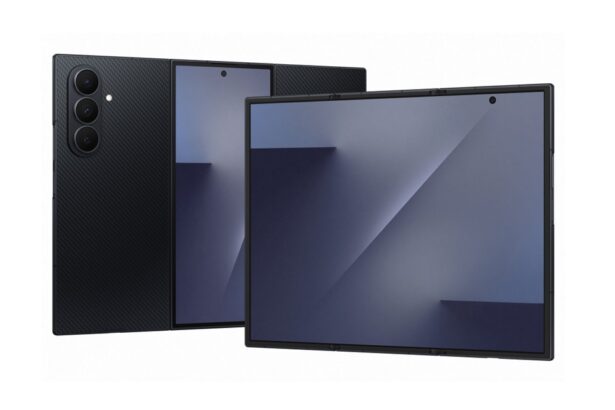
Google Pixel 11 series could be the first flagship to debut with a 2nm chip

Aadil Raval
3 Min Read
Highlights
  • Google Pixel 11 series is launching on August 12 as per the invites sent out.
  • Turns out the Tensor G6 on-board Pixel 11 series is fabbed by TSMC on a 2nm node making them the first-ever smartphones to come with the tech.
  • If true, this means Google will beat Apple on its game of rolling out bleeding-edge chipsets every year.

The upcoming Google Pixel 11 series could bring a major USP up its sleeve. Turns out the Tensor G6 SoC onboard the Pixel 11 series is likely fabricated on a 2nm node by TSMC. For the unversed, Apple, Qualcomm, and MediaTek are all preparing for a 2nm chipset this year; however, given Google has seemingly confirmed its launch event for August 12, this gives the search engine giant an edge on the bleeding-edge technology, breaking the usual tradition the tech industry has seen so far.

Google Pixel 11 series with 2nm Tensor G6 SoC could break the usual tradition

Apple usually makes chipsets with bleeding-edge tech. It was the first to roll out 3nm chipsets on a commercial scale on iPhones. This year, it would’ve been the iPhone 18 Pro series with an Apple A20 Pro chipset fabbed on a 2nm node by TSMC. However, given iPhones are slated to arrive on either September 8 or 9, Google has already announced its Pixel 11 series launch on August 12, giving a month of exclusivity to the flagship cadre, as per a reputable source.


Google begins sending Made by Google 2026 invitations ahead of August 12 event - Google Pixel 11 series could launch with first 2nm Tensor G6 chips
Image Credits: Google

Interestingly, Google is bringing the Tensor G6 SoC manufactured by TSMC on a 2nm node. If it is true (and we hope it is), this will give Google a month of exclusivity in the 2nm chipset cadre as well. Of course, the performance on G6 and A20 Pro can’t be matched because Apple’s chipsets are usually high-octane; it is fascinating to see how the search engine giant is turning heads, minting chips on a next-gen node before the usual tradition kicks in.

Qualcomm will launch the Snapdragon 8 Elite Gen 6 and Gen 6 Pro, fabbed on a 2nm node, on August 22nd at the Snapdragon Summit 2026. Soon, we will see flagship phones powered by these chipsets coming up in the last quarter of this year. On the other hand, MediaTek is launching its Dimensity 9600 SoC based on the TSMC 2nm process as well, and it will have its share of models arriving later this year as well.

Apart from that, Google has reportedly switched the modem onboard the Pixel 11 series from Exynos to MediaTek M90, giving it access to satellite connectivity, 5G at up to 12GBps of speeds, dual active 5G SIMs, to name a few. 

Keep up with the tech that actually matters.

From breaking news to deep dives, TrueTech brings you the tech stories worth knowing.
Add us as a preferred source on Google Search for quicker access to our coverage.

Add TrueTech as a preferred source on Google
Share This Article
Follow:
A wordsmith, a kin tech observer, a sci-fi fanatic and a scientific documentary buff.
Highlights
  • Google Pixel 11 series is launching on August 12 as per the invites sent out.
  • Turns out the Tensor G6 on-board Pixel 11 series is fabbed by TSMC on a 2nm node making them the first-ever smartphones to come with the tech.
  • If true, this means Google will beat Apple on its game of rolling out bleeding-edge chipsets every year.

The upcoming Google Pixel 11 series could bring a major USP up its sleeve. Turns out the Tensor G6 SoC onboard the Pixel 11 series is likely fabricated on a 2nm node by TSMC. For the unversed, Apple, Qualcomm, and MediaTek are all preparing for a 2nm chipset this year; however, given Google has seemingly confirmed its launch event for August 12, this gives the search engine giant an edge on the bleeding-edge technology, breaking the usual tradition the tech industry has seen so far.

Google Pixel 11 series with 2nm Tensor G6 SoC could break the usual tradition

Apple usually makes chipsets with bleeding-edge tech. It was the first to roll out 3nm chipsets on a commercial scale on iPhones. This year, it would’ve been the iPhone 18 Pro series with an Apple A20 Pro chipset fabbed on a 2nm node by TSMC. However, given iPhones are slated to arrive on either September 8 or 9, Google has already announced its Pixel 11 series launch on August 12, giving a month of exclusivity to the flagship cadre, as per a reputable source.

Google begins sending Made by Google 2026 invitations ahead of August 12 event - Google Pixel 11 series could launch with first 2nm Tensor G6 chips
Image Credits: Google

Interestingly, Google is bringing the Tensor G6 SoC manufactured by TSMC on a 2nm node. If it is true (and we hope it is), this will give Google a month of exclusivity in the 2nm chipset cadre as well. Of course, the performance on G6 and A20 Pro can’t be matched because Apple’s chipsets are usually high-octane; it is fascinating to see how the search engine giant is turning heads, minting chips on a next-gen node before the usual tradition kicks in.

Qualcomm will launch the Snapdragon 8 Elite Gen 6 and Gen 6 Pro, fabbed on a 2nm node, on August 22nd at the Snapdragon Summit 2026. Soon, we will see flagship phones powered by these chipsets coming up in the last quarter of this year. On the other hand, MediaTek is launching its Dimensity 9600 SoC based on the TSMC 2nm process as well, and it will have its share of models arriving later this year as well.

Apart from that, Google has reportedly switched the modem onboard the Pixel 11 series from Exynos to MediaTek M90, giving it access to satellite connectivity, 5G at up to 12GBps of speeds, dual active 5G SIMs, to name a few. 

Keep up with the tech that actually matters.

From breaking news to deep dives, TrueTech brings you the tech stories worth knowing.
Add us as a preferred source on Google Search for quicker access to our coverage.

Add TrueTech as a preferred source on Google
Share This Article
Follow:
A wordsmith, a kin tech observer, a sci-fi fanatic and a scientific documentary buff.