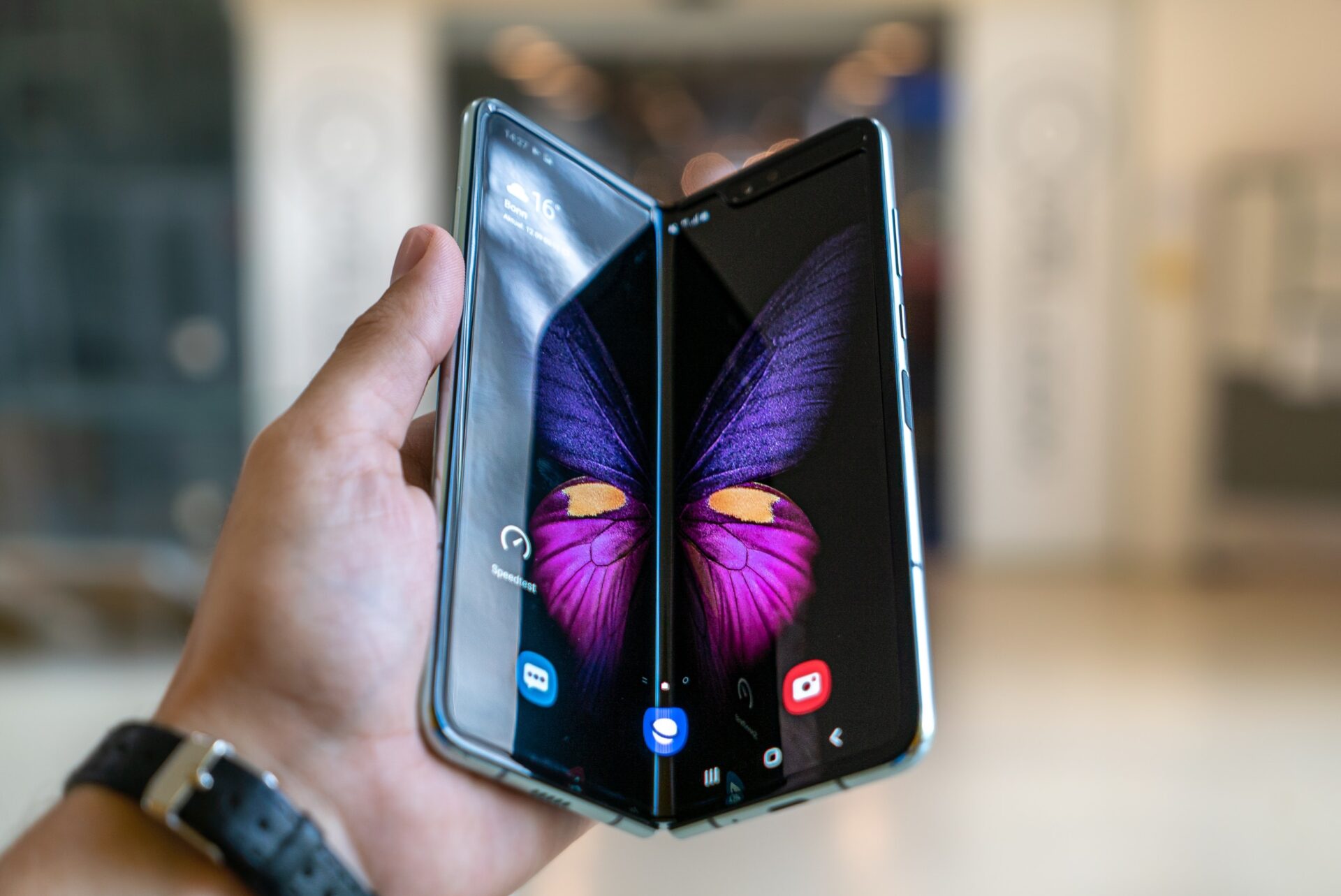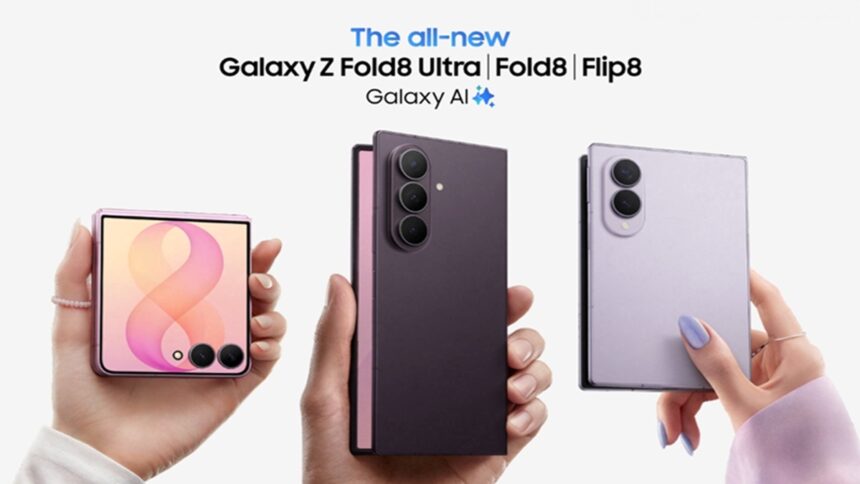
- Samsung just launched two much-anticipated book-style foldable phones in the market i.e. Galaxy Z Fold8 and Z Fold8 Ultra.
- Galaxy Z Fold8 is a wider and shorter phone that looks like the upcoming Apple iPhone Ultra thanks to a similar aspect ratio, although with flagship-cadre specs.
- Unfortunately, the series doesn't bring major changes except the chipset of choice, the all-new ultrawide cam, and a larger battery paired with it.
July 22 marked the day when we got our hands on the Samsung Galaxy Z Fold8, Z Fold8 Ultra, and Z Flip8 as part of the second major Galaxy Unpacked 2026 event. Well, let’s dive into what the next-gen book-style foldables bring to the table.
Samsung introduces two Galaxy Z Fold8 models
Well, for starters, unlike last year, we got two models under the Galaxy Z Fold8 series. Dubbed Galaxy Z Fold8 and Galaxy Z Fold8 Ultra, both models may have similar specs, except the former is a bit wider.
It marks Samsung’s entrance into the wide aspect ratio of foldables, but it certainly isn’t the first smartphone maker to do so. The aim is to give Samsung users options to choose from, as both Wide and Ultra target different users and use cases.
Specs-wise, Z Fold8 (or Fold8 Wide) brings a 5.5” cover display with a 16:10 aspect ratio, followed by a 7.6” primary inner foldable panel with a 4:3 aspect ratio. This is a massive upgrade from last year’s panel, making it both wider and shorter while adding a few grams of weight.
The primary display is an LTPO OLED panel with a 1-120Hz variable refresh rate and 403ppi density, while the cover display is an LTPO OLED panel with 428ppi density. The device uses a Snapdragon 8 Elite Gen 5 for Galaxy AP under the hood, paired with 12GB/16GB RAM and 256GB/512GB/1TB of storage on the go.
I would call this fold a less premium book-style phone with a 4,800 mAh silicon carbon battery (approx 400mAh larger than last gen). It supports a 45W charging tech capable of taking 30 minutes to juice up from 0% to 63%. There’s also a 20W wireless charging tech onboard.
As earlier mentioned, Samsung is using its latest Flex Titanium technology, based on titanium-alloy film and a titanium plate that brings durability, strength, and freedom from creases over a long time. It also has a low-reflection display finish that enhances visibility, sitting alongside 3,000 nits of brightness on the clock.
Its camera tech includes a 50MP primary sensor with OIS, an ultra-wide 50MP shooter with a 120-degree lens, and two 1MP selfie cameras with a field of view of 85 degrees and 100 degrees, respectively.
Samsung Galaxy Z Fold8 Ultra leads the lineup
Next up, we have the Samsung Galaxy Z Fold8 Ultra, the actual successor to last year’s Z Fold7. With a Snapdragon 8 Elite Gen 5 SoC for Galaxy AP, the phone is powerfully packed with up to 16GB of RAM and 1TB of storage. There’s an expanded graphite sheet on board helping the device to dissipate heat.
There’s an 8.0” foldable LTPO AMOLED 2X 120Hz display with Flex Titanium technology plus a 6.5” LTPO AMOLED 2X 422ppi cover display. The display lights up at 3,000 nits of peak brightness, and with Vision Booster and a low-reflection display finish, we are looking at a vivid display even under outdoor settings.
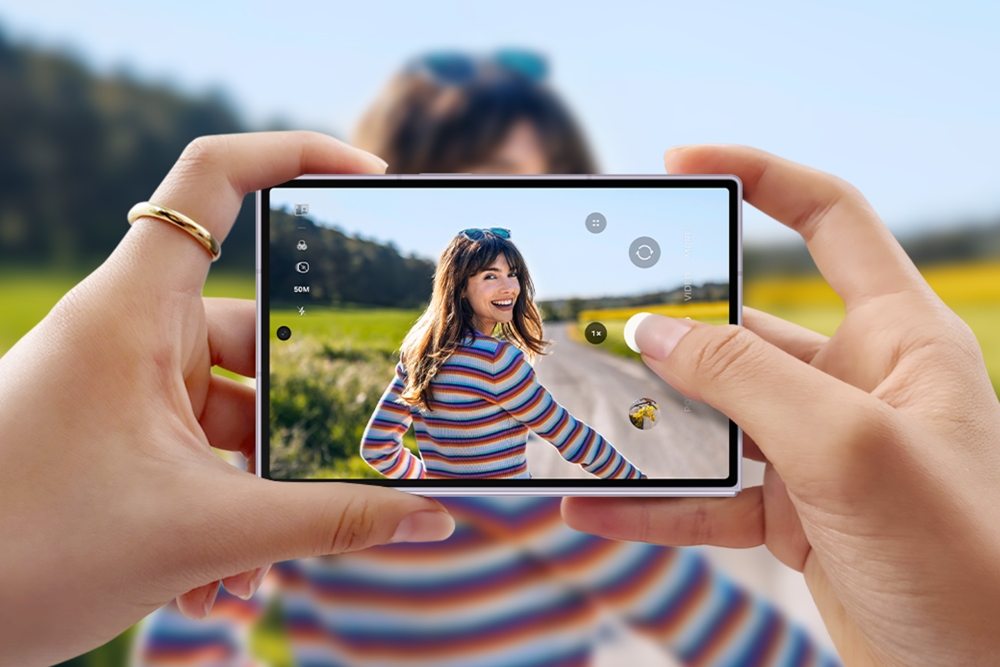
On the specs front, we have two 10MP selfie shooters—one for each display. Plus, we have a 200MP primary shooter with enhanced HDR capabilities, 8K video recording, and an all-new 50MP ultra-wide snapper.
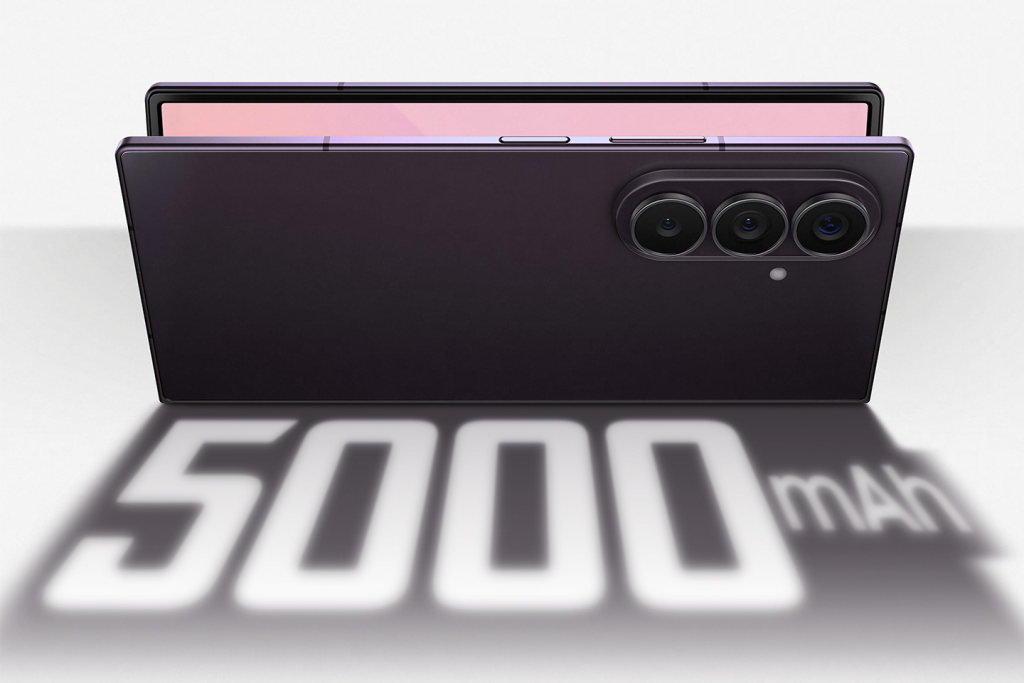
The phone, as aforementioned, takes on the Z Fold7 with a relative width of 72.8mm and thickness of 8.9 mm when folded. It is similar to the predecessor in many ways. On the battery front, we have a 5,000 mAh battery that makes last year’s device look dwarfed by 14%.

It is also the first time Samsung is using a silicon-carbon battery that ultimately helps in manufacturing thinner yet denser battery packs. It juices up with a 45W fast-charging technology and a 20W wireless charging technology. The South Korean giant is flaunting its ‘new dual-path charging architecture’ for the bumped-up recharging capabilities, although we don’t know exactly what it is so far.
Essentially, we don’t see a massive upgrade in the specs as far as the Z Fold8 Ultra is concerned. Yes, it did replace the chipset with a newer one, and the battery got larger, but it stands as a bulky device with relatively few changes.
Samsung Galaxy Z Fold8 and Z Fold8 Ultra pricing
Well, the devices have become a bit expensive compared to the last generation thanks to the hyper-fluctuating memory costs.
Nevertheless, the Galaxy Z Fold8 pricing commences at $1,900 (256 GB), $2,100 (512 GB), and $2,500 (1 TB). The price tags on the Galaxy Z Fold8 Ultra are slightly on the higher end, i.e., $2,100 (256GB); $2,300 (512GB); and $2,700 (1TB). That’s about the book-style foldables from the latest series.
Samsung Galaxy Z Flip8 pricing
The clamshell-style Samsung Galaxy Z Flip8 is available in two trims, i.e., 256GB at $1,200 and the 512GB variant at $1,400. For the unversed, all these variants attract a price hike of $100 compared to last year’s Z Fold7 and Flip7 series.
When talking about the colorways, we have the Z Fold8 in pistachio, graphite, cream, and lavender. Note that the former colorways are only available at Samsung’s online store exclusively. On the other hand, the premium Galaxy Z Fold8 Ultra arrives with graphite cream and violet shadow across channels, while the green shadow hue is available as an online-only exclusive colorway.
Keep up with the tech that actually matters.
Add us as a preferred source on Google Search for quicker access to our coverage.