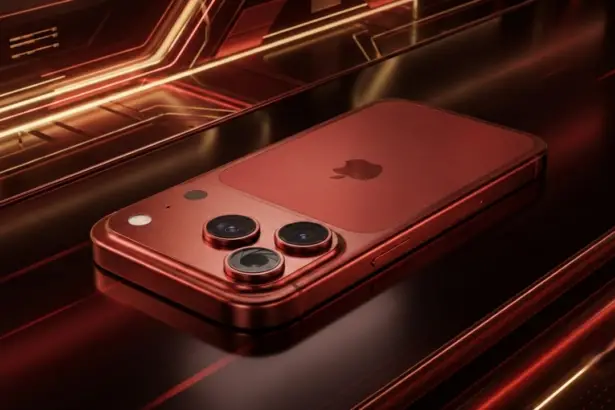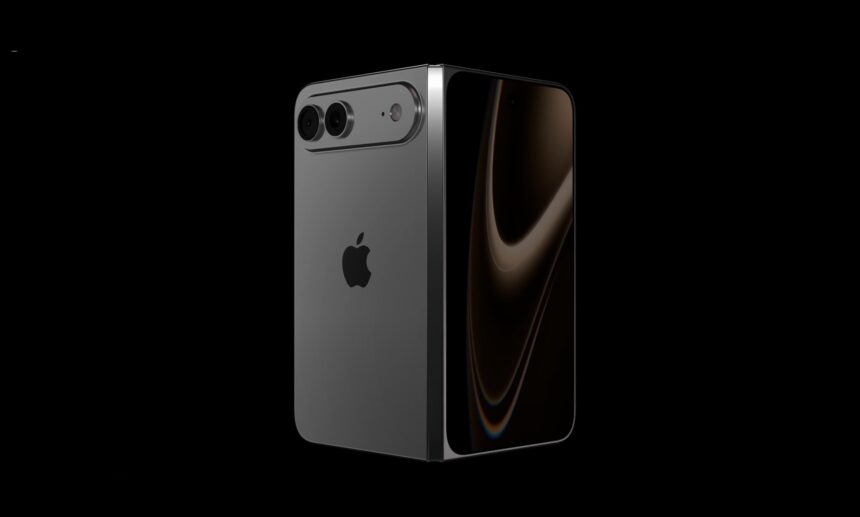
- A reliable leaker claims the first foldable iPhone may exceed 5,500 mAh, surpassing the iPhone 17 Pro Max (5,088 mAh).
- Leading foldables today like the Google Pixel 10 Pro Fold (5,015 mAh) and the Samsung Galaxy Z Fold 7 (4,400 mAh) pack smaller batteries.
- Multiple reports suggest Apple is testing high-density battery cells, optimizing internal space, and combining this with custom silicon (A20 chip, C2 modem).
The Apple foldable iPhone battery could set a new benchmark for smartphone endurance, according to fresh claims from a known industry leaker. If the information is accurate, Apple’s first foldable device may feature the largest battery ever used in any iPhone.
In a recent post on Weibo, the leaker Fixed Focus Digital said Apple’s first foldable iPhone may include a battery exceeding 5,500 mAh. That figure would exceed the current record held by the iPhone 17 Pro Max, which features a 5,088 mAh battery, the largest ever shipped in an iPhone to date.
Although Apple has not confirmed the existence of a foldable iPhone, multiple credible reports over the past year suggest the company is placing strong emphasis on battery efficiency and longevity for this product category.
Why the Apple foldable iPhone battery could lead the foldable market
Battery capacity is often a trade-off in foldable smartphones. The need for dual displays, hinge mechanisms, and slim profiles typically limits how much space manufacturers can dedicate to battery cells.
For comparison, today’s leading foldables include:
- Google’s Pixel 10 Pro Fold with a 5,015 mAh battery
- Samsung’s Galaxy Z Fold7 with a 4,400 mAh battery
A foldable iPhone with a battery exceeding 5,500 mAh would place Apple well ahead of these devices in raw capacity. Moreover, it may potentially address a common concern among foldable phone users, which is limited battery life.
Earlier reports point to similar range
This latest claim coincides with earlier reports from other sources. In 2024, the Korean leaker, yeux1122, said Apple was testing batteries between 5,400 mAh and 5,800 mAh for its foldable device, citing information from supply chain contacts.
A follow-up report in March suggested Apple engineers were working to improve power efficiency while reducing the size of internal components, with battery life described as a major priority.
Separately, Apple analyst Ming-Chi Kuo has stated that the device is expected to use high-density battery cells. It will help Apple to increase capacity without adding bulk. It is considered a crucial factor in foldable hardware design.

Rumored features of Apple’s foldable iPhone
Beyond battery capacity, several reports have outlined possible specifications for the device. While unconfirmed, the foldable iPhone is rumored to include:
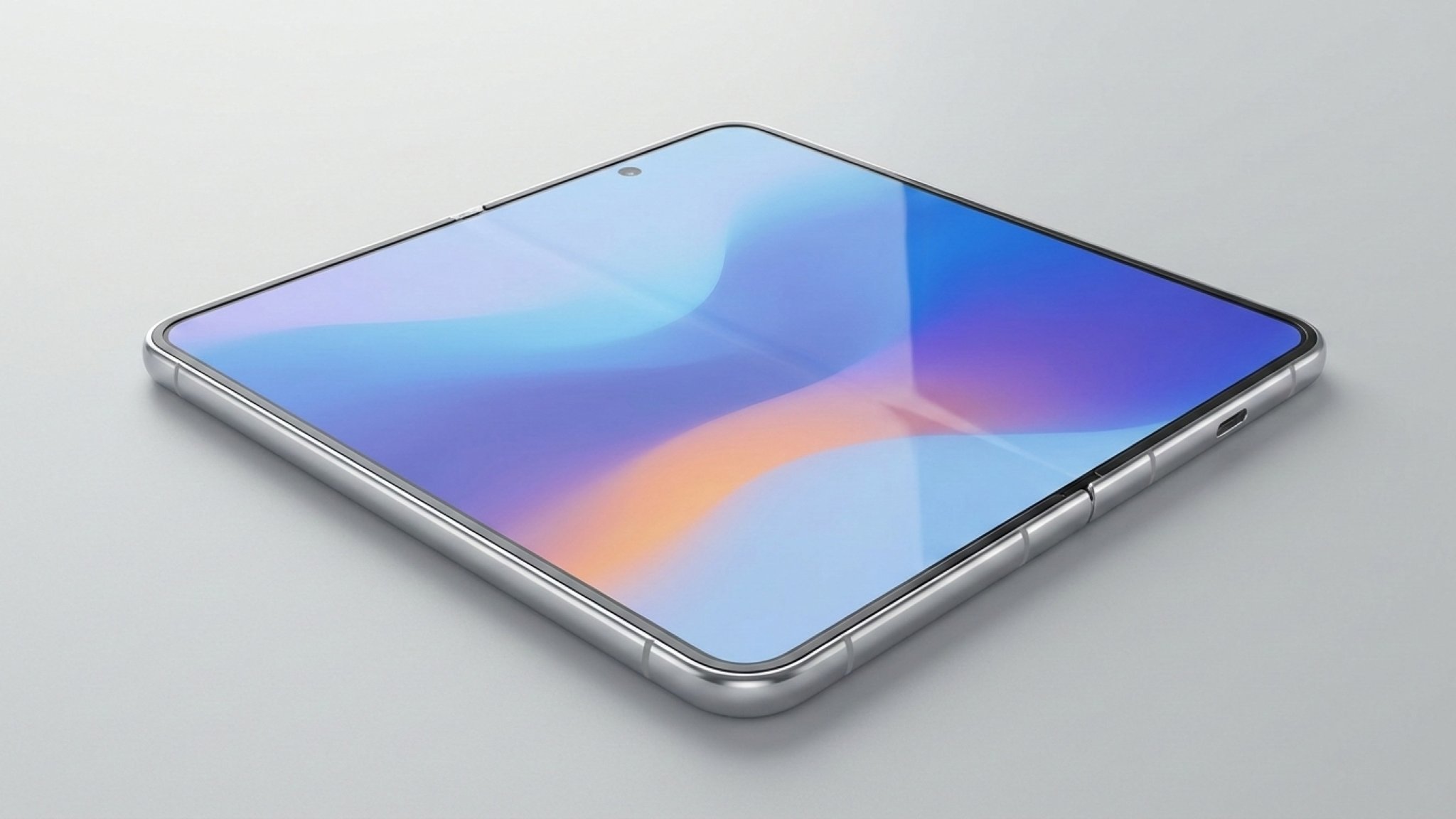
- A 7.8-inch crease-free inner display
- A 5.5-inch external cover display
- Touch ID instead of Face ID
- Two rear cameras
- Apple’s next-generation A20 chip
- A new in-house “C2” modem
The device is widely expected to debut alongside the iPhone 18 Pro and iPhone 18 Pro Max, though Apple has not officially acknowledged these plans.
Why battery life could be a key differentiator
Battery life remains one of the most noticeable limitations in today’s foldable smartphones. Large screens consume more power, and the thin chassis required for foldable designs leaves less room for battery cells.
If Apple can combine higher capacity with efficiency gains from custom silicon and optimized hardware, the company may manufacture a foldable device that avoids the endurance compromises seen in many competitors.
Anyway, until Apple provides official confirmation, these claims should be viewed as informed speculation. However, the consistency of the reports suggests that battery life may be one of the standout features Apple is preparing for its entry into the foldable smartphone category.