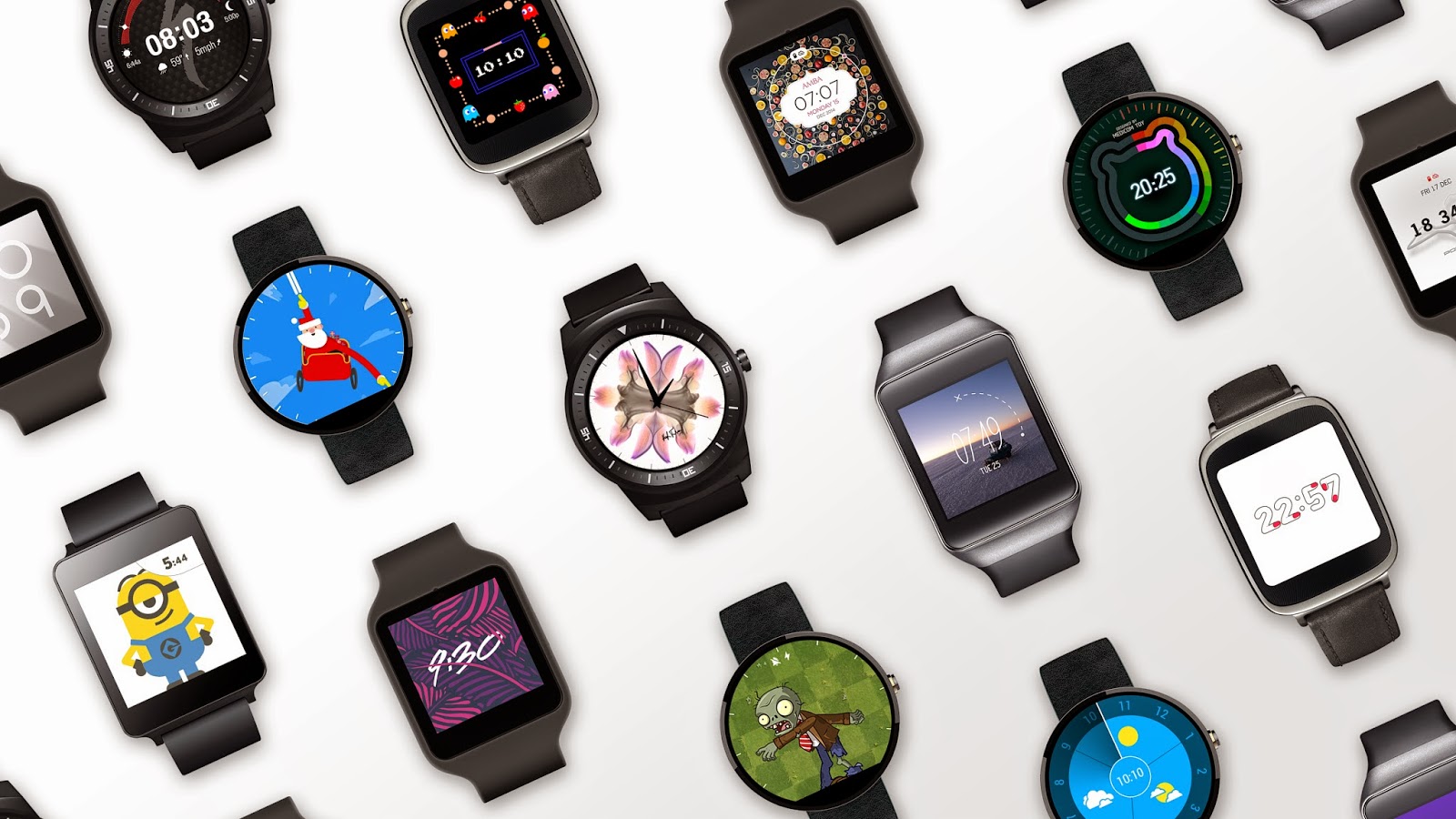
- Google announced Wear OS 7 with up to 10% better battery life for devices upgrading from Wear OS 6.
- Select smartwatches launching later in 2026 will include Gemini Intelligence for AI-powered assistance.
- Wear OS 7 introduces new features such as Wear Widgets, Live Updates, and improved media controls.
Google has announced Wear OS 7, a major update to its smartwatch platform that focuses on battery efficiency, AI-powered features, and expanded tools for developers. The company shared the details as part of its latest Android ecosystem updates and confirmed that select smartwatches launching later in 2026 will support new Gemini Intelligence capabilities.
The update includes enhancements in terms of both user experience and app development on Wear OS devices. Google also released the Wear OS 7 Canary Emulator, which is based on Android 17, to help developers test upcoming features and app compatibility.
Wear OS 7 promises better battery life
Google said Wear OS 7 continues its effort to improve smartwatch battery performance. According to the company, users upgrading from Wear OS 6 to Wear OS 7 can expect an average battery life improvement of up to 10%. The company described smartwatches as “all-day companions” and said the update will help users spend more time using apps without frequent charging.
Moreover, battery optimization has become a key focus for smartwatch makers as users increasingly rely on wearables for fitness tracking, messaging, navigation, and media controls throughout the day.
Gemini intelligence coming to select watches
Google confirmed that select Wear OS devices arriving later this year will include Gemini Intelligence integration. The company said Gemini will provide proactive and personalized assistance directly from the wrist.
The AI system is expected to help users complete tasks more naturally through voice interactions and contextual suggestions. Google did not provide a full list of supported devices or launch dates.
Wear Widgets introduced as evolution of tiles
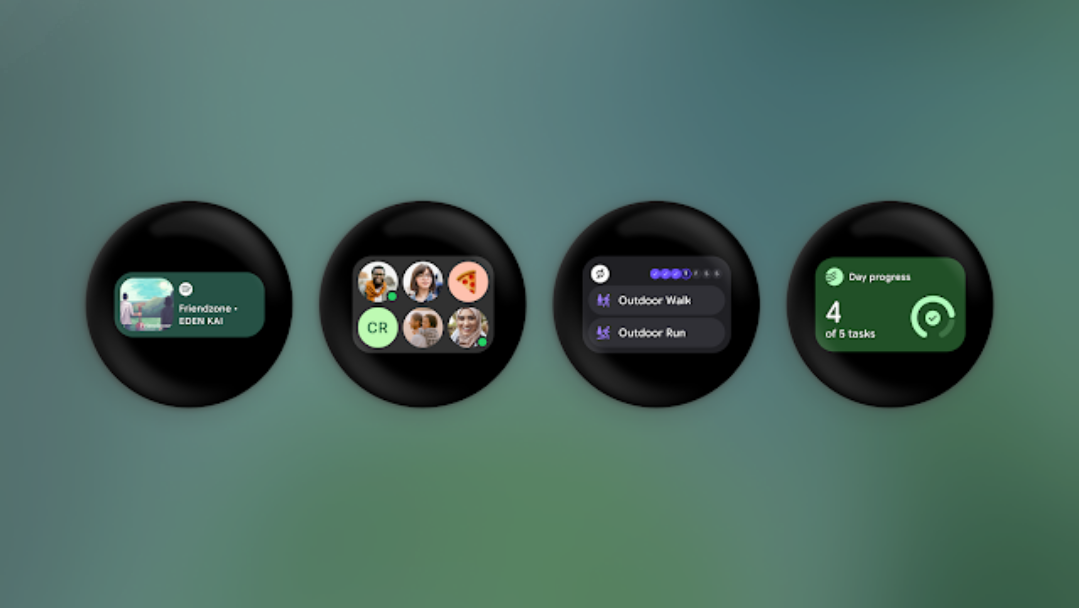
One of the biggest interface updates in Wear OS 7 is the introduction of Wear Widgets. Google said the new widgets will essentially replace and expand the capabilities of existing full-screen Tiles.
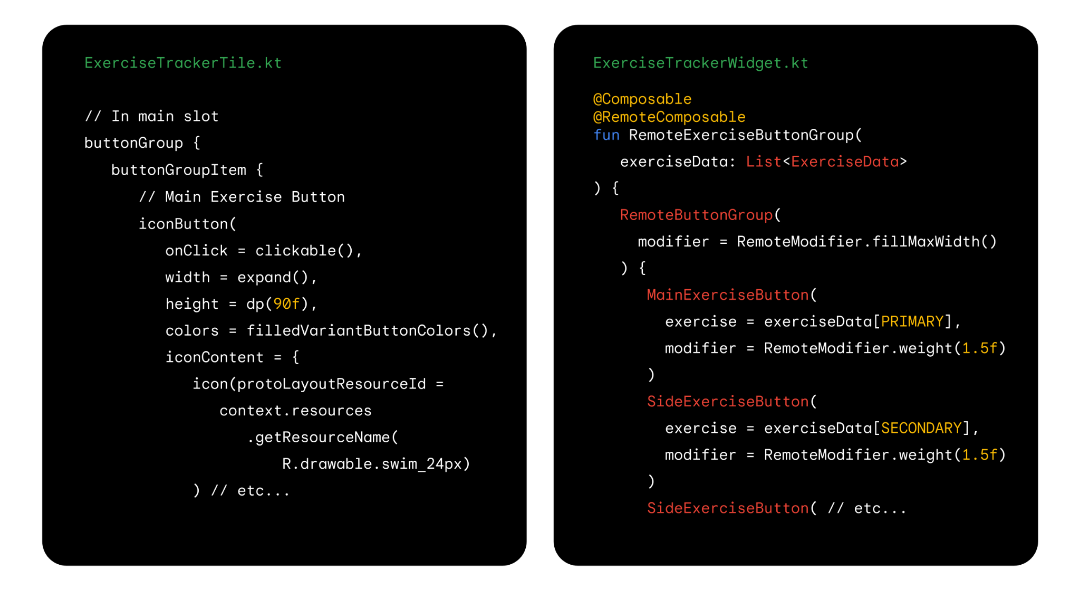
Wear Widgets are powered by Jetpack Glance and the new RemoteCompose framework. The company said the feature brings more flexibility and consistency with Compose-based app development.
The widgets support two layouts:
- Small card format
- Large card format
Google said these layouts align with 2×1 and 2×2 widget formats already used on Android phones. Here, the goal is to create a more unified widget experience across Android devices while still allowing developers to optimize interfaces for smartwatches.
Live Updates bring real-time information to watches
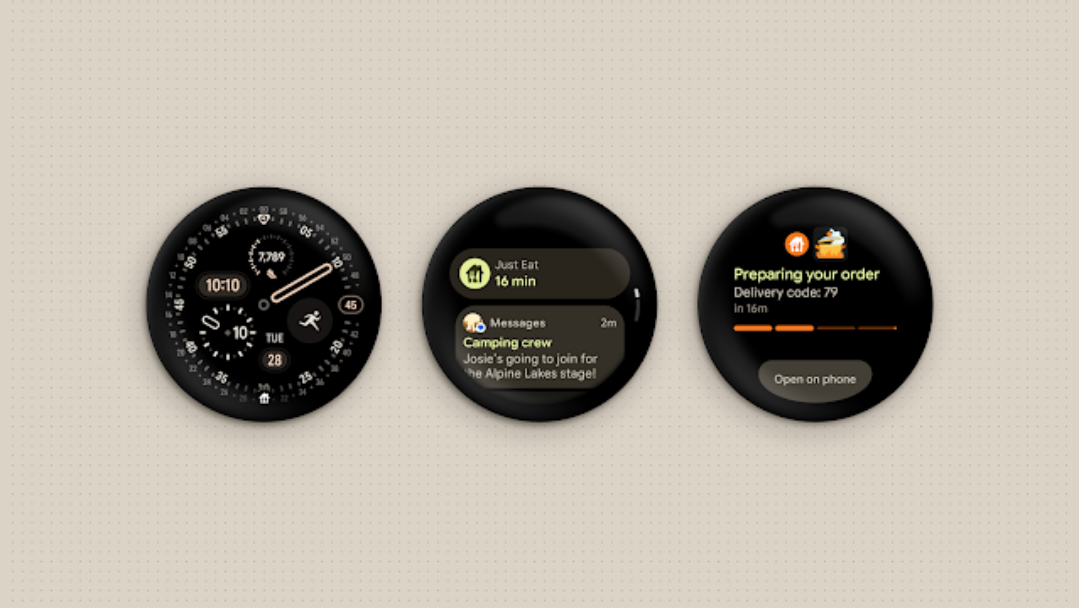
Wear OS 7 also adds Live Updates, a feature that can display real-time information directly on smartwatch screens.
Developers can use Live Updates to provide ongoing updates from either watch apps or connected phone apps. Google said the feature replaces the older Ongoing Activities API for Wear OS 7 devices.
The company highlighted the food delivery service, Just Eat, as an example of how Live Updates can keep users informed with real-time tracking notifications.

New AppFunctions API expands Gemini integration
Google introduced the AppFunctions API as part of its effort to connect apps with AI assistants like Gemini.
The API allows users to perform tasks through voice commands instead of navigating through app menus manually. Google provided an example using Samsung Health, where users can say, “Start tracking my run,” to begin a workout session.
The AppFunctions API is currently available through an early access program for developers.
Task automation features planned for future release
Google also previewed upcoming task automation capabilities for Wear OS. The company said users will eventually be able to trigger and monitor automated app tasks from their smartwatch without additional development work from app creators.
Google used DoorDash ordering as an example of how the feature may work in practice. Moreover, further details will be shared through its developer blog in the future.
Wear Workout Tracker targets fitness apps
Wear OS 7 will include a new Wear Workout Tracker system for exercise applications later this year.
Google said the feature is going to reduce development workload for fitness app makers by providing a built-in workout tracking experience. The system includes:
- Heart rate monitoring
- Media controls
- Standardized workout tracking tools
Google confirmed it has worked with ASICS Runkeeper on the feature.
Fitness tracking remains one of the most widely used smartwatch functions, making workout tools an important part of the Wear OS ecosystem.
Keep up with the tech that actually matters.
Add us as a preferred source on Google Search for quicker access to our coverage.
Media controls receive new features
Wear OS 7 introduces updates to system media controls that improve audio management and playback controls.
Per-app media auto-launch controls
Users will now be able to manage media auto-launch settings individually for each app. When enabled, media controls will automatically appear on the watch whenever playback starts on a connected smartphone.
Google said existing media apps can support the feature without requiring additional development work.
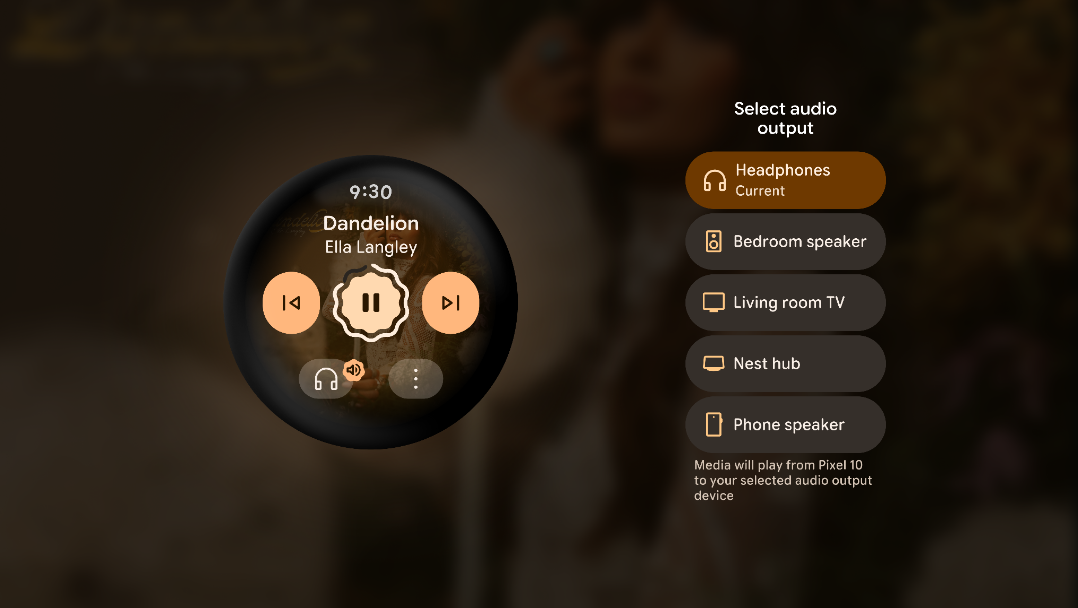
Remote output switcher
The update also adds a Remote Output Switcher that allows users to change audio playback devices directly from their smartwatch.
The feature is integrated into the system media controls and is designed to simplify switching between connected audio devices.
Wear OS 7 Canary Emulator available now
Developers can begin testing Wear OS 7 through the newly released Canary Emulator based on Android 17.
Google said the emulator provides early access to the platform’s developer tools and compatibility testing environment ahead of the official release later this year.