- Apple is working with Google to back it's Siri assistant with Gemini AI.
- Gemini AI has already showcased its caliber time and again and by topping many AI benchmarks.
- Apple is still considering OpenAI and Anthropic as its potential partnerships while there were news around Perplexity AI in th emix.
This month’s Made by Google was by far one of the biggest announcements. Turns out Apple and Google could be exploring a partnership that could introduce a revamped assistant powered by Google’s Gemini AI.
Next-gen Siri could be powered by Gemini AI
Bloomberg’s Mark Gurman says the Cupertino-based giant is contemplating working with Google’s Gemini AI that could power its next-gen Siri. This would perhaps give Siri a much-needed upgrade, given Gemini’s prowess in natural language processing and assistant.
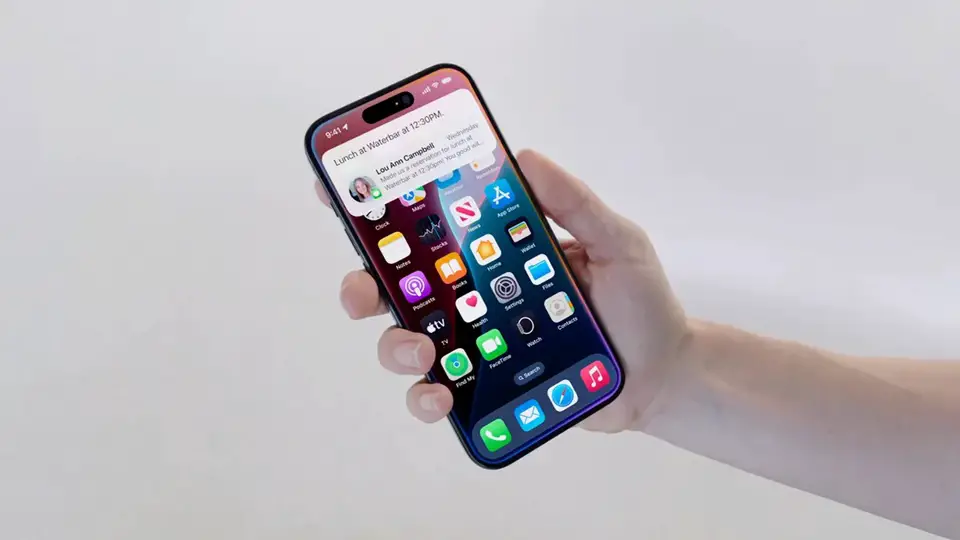
According to the latest report, Apple has indulged in early discussions with Google for a custom AI model. Apparently, the search engine giant has already started training the model on Apple’s servers, although when it could actually materialize remains shrouded in mystery.
Earlier in June, Apple was speculated to buy India-based Perplexity AI, which recently saw a huge jump thanks to its partnership with one of India’s largest telecom operators — Bharti Airtel. Back then, Apple was still discussing the same with many partners, such as OpenAI and Anthropic, on whether to plug Siri or whether to develop it internally, and it seems like the Cupertino giant has made up its mind to go with Google.
There’s more. We have heard about two different Siri versions in the works. Glenwood uses technology sourced from outside, while Linwood is based on models developed by Apple in-house.

On the other hand, Apple’s struggles with defining its own AI strategy could be the reason it is opting for Google, whose AI models Gemini have topped many benchmarks. The search engine giant is currently facing penalties due to its search monopoly lawsuits. In fact, it is one of the major players working with Apple to make its search the default and usually pays billions of dollars in payouts every year. In fact, Google does the same for Samsung, making it the default across two major smartphone makers.