- Apple is reportedly facing a DRAM shortage ahead of the iPhone 18 Pro launch.
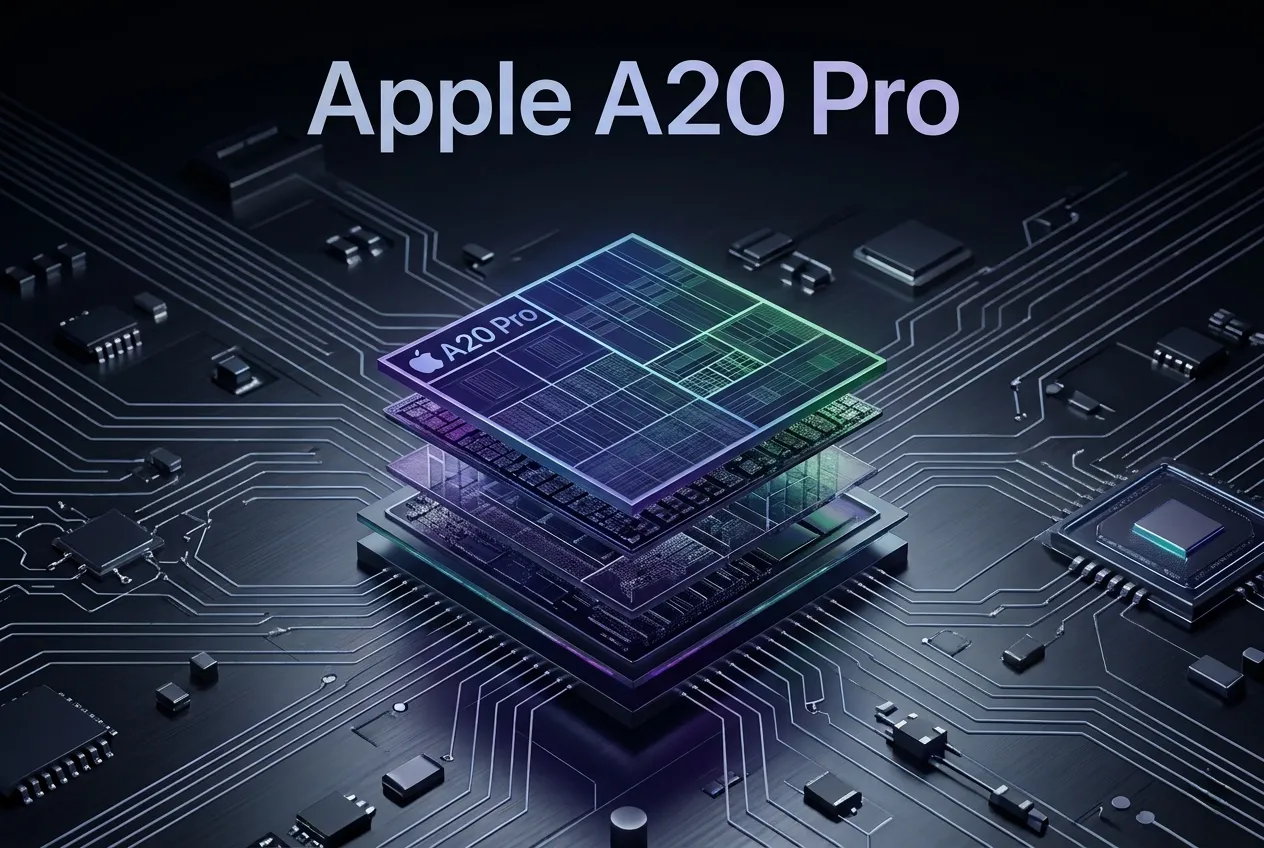
- The memory shortage has reportedly delayed packaging of Apple's A20 Pro processors.
- Apple and its suppliers are working to secure enough DRAM before the Apple Event.
Apple is apparently facing a DRAM shortage as it gears up for its next noteworthy product launch event. The information comes from a semiconductor analyst, Tim Culpan, who claims that the Apple DRAM shortage has left an estimated $1 billion worth of Apple processors in line to be packaged due to an inadequate supply of mobile DRAM.
The alleged Apple supply chain challenge comes prior to the Apple Event, reportedly scheduled for September 2026. During the launch event, the company is anticipated to introduce the next-gen iPhone 18 Pro, 18 Pro Max, and foldable iPhone (internally dubbed iPhone Ultra). Although Apple and its manufacturing partners appear to feel confident about achieving minimum demand, the DRAM supply crunch could limit early availability if component shipments do not improve.
Apple DRAM shortage possibly delays processor packaging
According to Culpan, the biggest impact of the Apple memory shortage is said to be felt during processor packaging. He notes that Apple is producing its next-gen processors, but many were not sent forward for the shipment stage because the required DRAM chips have not arrived yet. As a result, around $1 billion worth of processors remain on hold while awaiting memory supplies.
The upcoming iPhone 18 Pro series is expected to be powered by the Apple A20 Pro chipset and is likely to be Apple’s first processor manufactured using TSMC’s 2nm process. It is another area where the production of the chip itself is reported to be moving forward with healthy yields; however, processor packaging delayed by missing DRAM is currently the latest hurdle.
Apple secures DRAM as suppliers race to increase shipments
To ease the memory shortage, Apple is reportedly working with its memory suppliers to boost deliveries. For your information, the company primarily sources mobile DRAM from Micron, SK Hynix, and Samsung. The reports suggest Apple and its suppliers are trying to secure DRAM efficiently enough to maintain output schedules well ahead of the rumored launch.
People familiar with the situation believe online delivery estimates could become longer if demand surpasses available inventory, while Apple expects to have enough devices ready for the early release. This may result in retail stores receiving fewer units during the first wave of shipments.
That said, how effectively Apple secures memory over the coming weeks would paint a clearer picture in predicting launch availability.
Semiconductor supply chain under pressure from AI memory demand
If you are a tech enthusiast, you must be well aware that the semiconductor supply chain issues are not limited to Apple; it is also an ongoing concern for almost any smartphone brand.
Demand for high-performance memory has increased significantly as consumer tech companies rapidly grew to invest heavily in artificial intelligence infrastructure. As a result, the AI memory demand grew and tightened the global supply of DRAM, which led to a wider semiconductor shortage that affected several industries.

Just recently, Apple CEO Tim Cook acknowledged these challenges during the latest Apple earnings call. He said the company was experiencing “very significant constraints” with “limited flexibility in the supply chain.”
In light of his remarks, the aforementioned report’s claim that memory availability has emerged as one of the major issues facing technology in 2026 is further validated.
Apple production delay could affect iPhone assembly
The Apple production delay may stretch beyond processor packaging if the memory shipment situation remains the same. Once processors are fully packaged, they are sent to Apple’s manufacturing partners, including Foxconn and BYD, which then assemble the logic boards and finalize production in China.
If processor packaging remains delayed, assembly partners could receive key components later than initially planned, which would compress manufacturing timelines before the launch. Still, suppliers may have less flexibility during the final weeks of production, even if Apple eventually secures enough memory.
Foldable iPhone expected to be Apple’s most expensive model
According to the report, Apple plans to manufacture an estimated 200 million devices across the iPhone 18 series during the products’ lifetime.
On the other hand, the foldable iPhone is expected to account for less than 10% of total production, with the leftover units divided roughly equally between the standard iPhone 18 and the iPhone 18 Pro.

Meanwhile, industry reports also suggest the foldable model can cost around $2,000. If this is accurate, it would make this device the most expensive iPhone Apple has ever released yet.
Editor’s remarks
Whether Apple can successfully secure DRAM and solidify its supply chain before launch will likely define how readily available its newest flagship devices are when they reach customers. Until then, the reported Apple supply chain challenge serves as another reminder of how AI-driven demand continues to disrupt the global semiconductor industry.
Keep up with the tech that actually matters.
Add us as a preferred source on Google Search for quicker access to our coverage.