Apple launches AI health study with OpenEvidence, invites 200,000 iPhone users

Jeeva Shanmugam
4 Min Read
Highlights
  • Apple and OpenEvidence are running a virtual research study with up to 200,000 US participants.
  • Users test a standalone AI health tool on iOS 26 and score its answers on accuracy, detail, and relevance.
  • The app pulls facts from The New England Journal of Medicine, JAMA, and Nature, without touching Apple Intelligence or Siri.

At present, most tech companies rush to drop a chatbot onto everything and fix the parts later. When it comes to your health records, that approach is downright dangerous. That is why Apple’s latest announcement caught my attention.

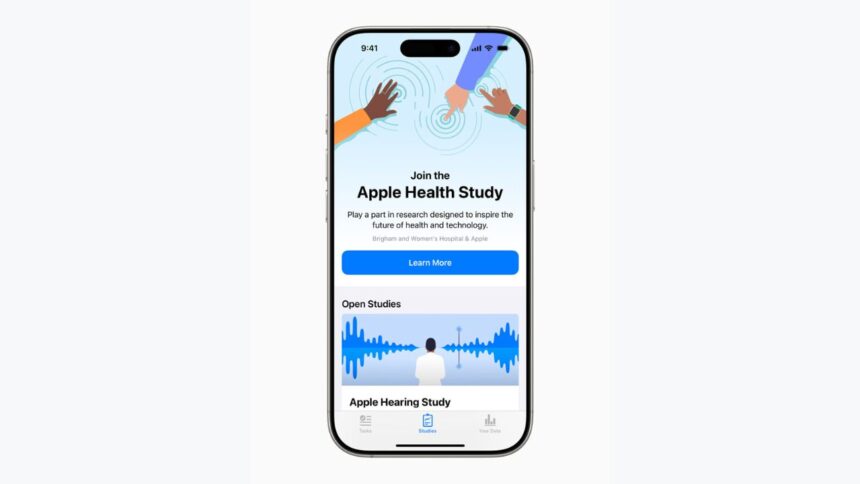
Of pushing a finished medical assistant onto millions of phones overnight, Apple just kicked off the Apple Health AI Usage Study. Apple is working with OpenEvidence, a search platform that doctors already use in hospitals. Let’s discuss.

Apple wants 200,000 iPhone users to grade its new AI health tool

Of looking through random forums for medical advice, OpenEvidence gets answers directly from licensed peer-reviewed journals like The New England Journal of Medicine, JAMA, Nature, and Cochrane.

By including this engine in a controlled research app, Apple wants to find out if an AI health tool really helps everyday people understand their health or if it just makes things more confusing.
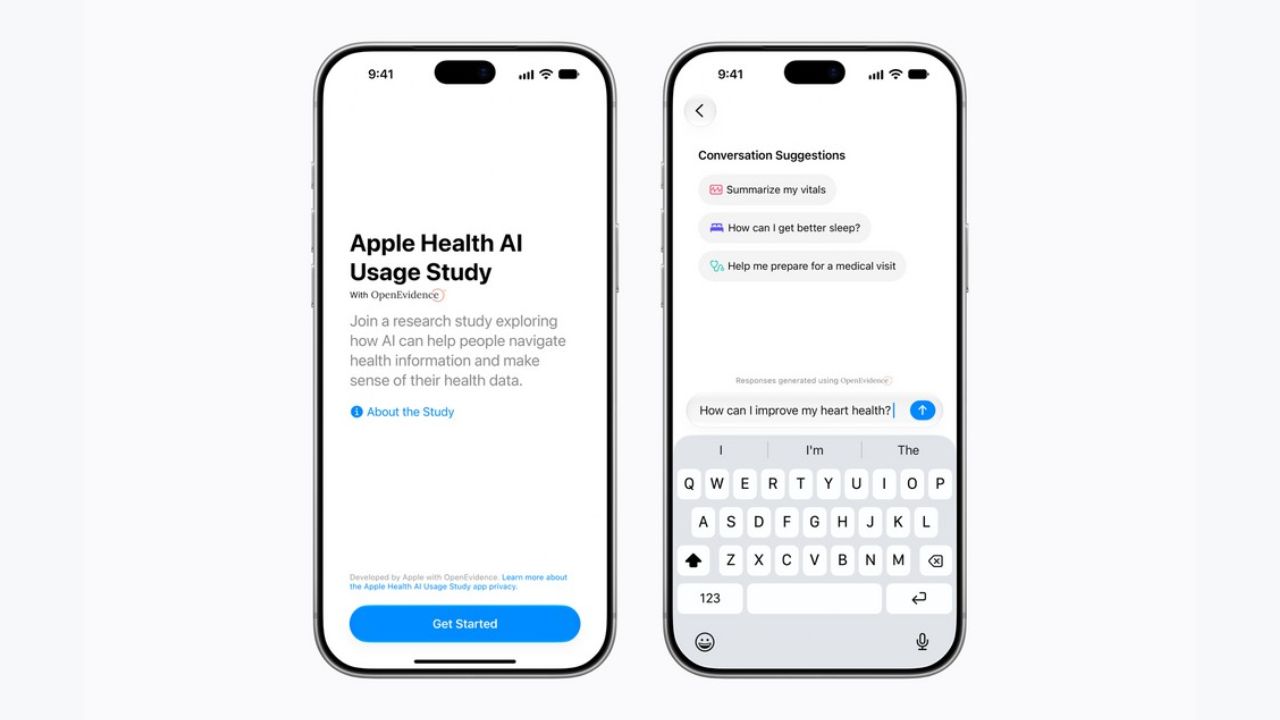
Apple AI health tool
Image Credits: Apple

How I see this study working in practice?

Apple is opening doors to 200,000 people. Once you download the study app and get accepted, the workflow is pretty straightforward. You type in health questions almost like texting a friend who went to medical school. You can ask about symptoms, recovery, and general fitness after a surgery. The answers come quickly.

You feel like you’re getting real help. It’s simple and easy. Fits right into your day. You don’t need to schedule appointments or wait on hold. Just open the app. Ask. It makes health advice feel personal and close.

The AI health tool replies in language and attaches direct links to the clinical studies behind its claims. After you read the response, your job, as a tester, is to grade it. Apple specifically tracks four things during this process.

  • How accurate, detailed, and relevant the answer feels.
  • Whether you actually trust the information.
  • If you understood what the medical terms meant.
  • How the answer changed your health decision, like booking a doctor visit.

One detail that stood out to me is what Apple left out. Even though the app requires iOS 26 or later, Apple does not use Apple Intelligence or Siri at all.

The app interacts strictly through text prompts, though you can still tap the iOS keyboard microphone for dictation if typing feels slow. Keeping this separate from Siri makes sense to me as voice assistants still mishear terms far too often.

Optional HealthKit sharing and strict requirements

Generic medical answers seldom help when you have a condition. During setup Apple lets you decide whether to share your Apple HealthKit data with the AI health tool. If you choose to share, the system looks at your sleep logs, daily activity, and clinical lab results to give answers that fit your situation. You keep control over privacy. Sharing this data is entirely optional.

Before you go to the App Store, make sure you meet the requirements. Apple made the rules clear:

  • You should reside in the United States.
  • You should be at least 21 years old.
  • You should own an iPhone 15 Pro or a newer model, running on iOS 26.

Overall, for our readers who are watching health closely, this study shows where Apple is going. Testing an AI health tool with medical references before making it available to more people sets a much safer example for the rest of the tech industry. Let me know your thoughts in the comment section.

Keep up with the tech that actually matters.

From breaking news to deep dives, TrueTech brings you the tech stories worth knowing.
Add us as a preferred source on Google Search for quicker access to our coverage.

Add TrueTech as a preferred source on Google
Share This Article
Making spicy content on the Internet!
Highlights
  • Apple and OpenEvidence are running a virtual research study with up to 200,000 US participants.
  • Users test a standalone AI health tool on iOS 26 and score its answers on accuracy, detail, and relevance.
  • The app pulls facts from The New England Journal of Medicine, JAMA, and Nature, without touching Apple Intelligence or Siri.

At present, most tech companies rush to drop a chatbot onto everything and fix the parts later. When it comes to your health records, that approach is downright dangerous. That is why Apple’s latest announcement caught my attention.

Of pushing a finished medical assistant onto millions of phones overnight, Apple just kicked off the Apple Health AI Usage Study. Apple is working with OpenEvidence, a search platform that doctors already use in hospitals. Let’s discuss.

Apple wants 200,000 iPhone users to grade its new AI health tool

Of looking through random forums for medical advice, OpenEvidence gets answers directly from licensed peer-reviewed journals like The New England Journal of Medicine, JAMA, Nature, and Cochrane.

By including this engine in a controlled research app, Apple wants to find out if an AI health tool really helps everyday people understand their health or if it just makes things more confusing.

Apple AI health tool
Image Credits: Apple

How I see this study working in practice?

Apple is opening doors to 200,000 people. Once you download the study app and get accepted, the workflow is pretty straightforward. You type in health questions almost like texting a friend who went to medical school. You can ask about symptoms, recovery, and general fitness after a surgery. The answers come quickly.

You feel like you’re getting real help. It’s simple and easy. Fits right into your day. You don’t need to schedule appointments or wait on hold. Just open the app. Ask. It makes health advice feel personal and close.

The AI health tool replies in language and attaches direct links to the clinical studies behind its claims. After you read the response, your job, as a tester, is to grade it. Apple specifically tracks four things during this process.

  • How accurate, detailed, and relevant the answer feels.
  • Whether you actually trust the information.
  • If you understood what the medical terms meant.
  • How the answer changed your health decision, like booking a doctor visit.

One detail that stood out to me is what Apple left out. Even though the app requires iOS 26 or later, Apple does not use Apple Intelligence or Siri at all.

The app interacts strictly through text prompts, though you can still tap the iOS keyboard microphone for dictation if typing feels slow. Keeping this separate from Siri makes sense to me as voice assistants still mishear terms far too often.

Optional HealthKit sharing and strict requirements

Generic medical answers seldom help when you have a condition. During setup Apple lets you decide whether to share your Apple HealthKit data with the AI health tool. If you choose to share, the system looks at your sleep logs, daily activity, and clinical lab results to give answers that fit your situation. You keep control over privacy. Sharing this data is entirely optional.

Before you go to the App Store, make sure you meet the requirements. Apple made the rules clear:

  • You should reside in the United States.
  • You should be at least 21 years old.
  • You should own an iPhone 15 Pro or a newer model, running on iOS 26.

Overall, for our readers who are watching health closely, this study shows where Apple is going. Testing an AI health tool with medical references before making it available to more people sets a much safer example for the rest of the tech industry. Let me know your thoughts in the comment section.

Keep up with the tech that actually matters.

From breaking news to deep dives, TrueTech brings you the tech stories worth knowing.
Add us as a preferred source on Google Search for quicker access to our coverage.

Add TrueTech as a preferred source on Google
Share This Article
Making spicy content on the Internet!