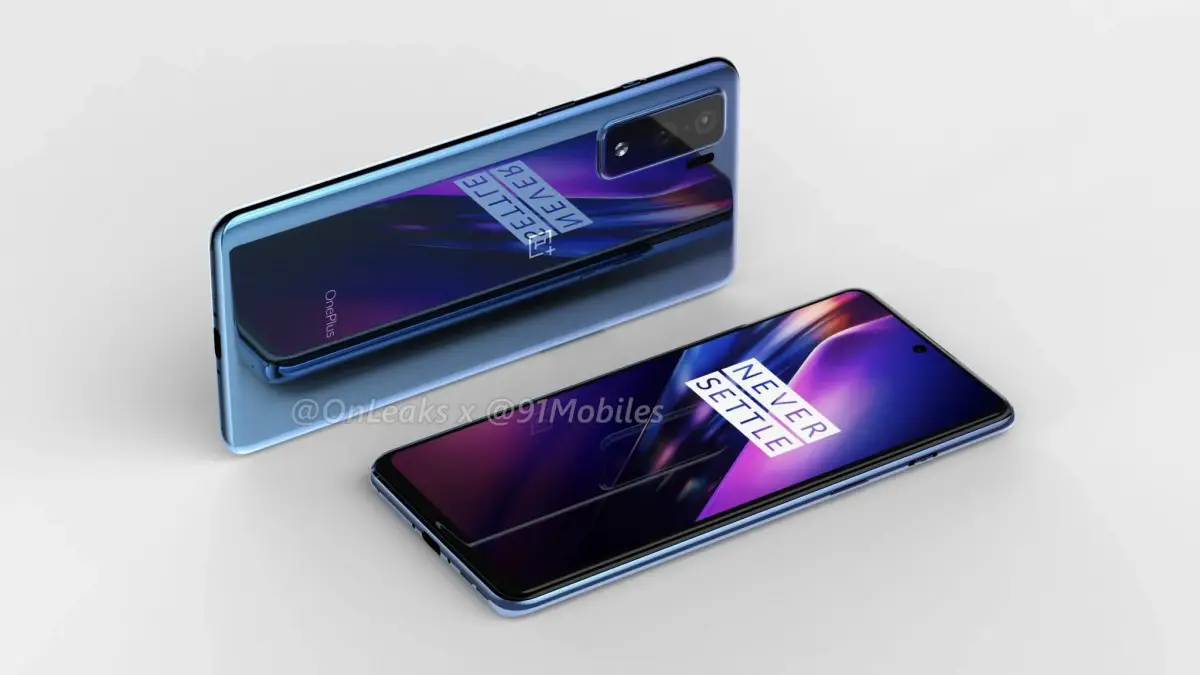
- OnePlus Turbo series is likely to launch in China in January next year.
- One of the unnamed member showed up on AnTuTu with a score of 2.61 million points sporting a Snapdragon 8s Gen 4 SoC.
- The listing confirms evident launch with LPDDR5X RAM, UFS 4.1 storage, and 165Hz display on-board.
One of the first members of the OnePlus Turbo series just showed up on AnTuTu with impressive scores on-board. Scheduled to launch in China early next year, the phone packs in a Snapdragon 8s Gen 4 SoC, a slightly watered-down version of the OnePlus 15’s Snapdragon 8 Elite Gen 5 SoC. Here’s the tee!
Model PLU110 linked to OnePlus Turbo series
According to AnTuTu on Weibo, a new unnamed smartphone appeared on its system, carrying model number PLU110. This has been tagged to the unreleased OnePlus Turbo series phone, as the model number was seen in a previous Geekbench listing leak as well.
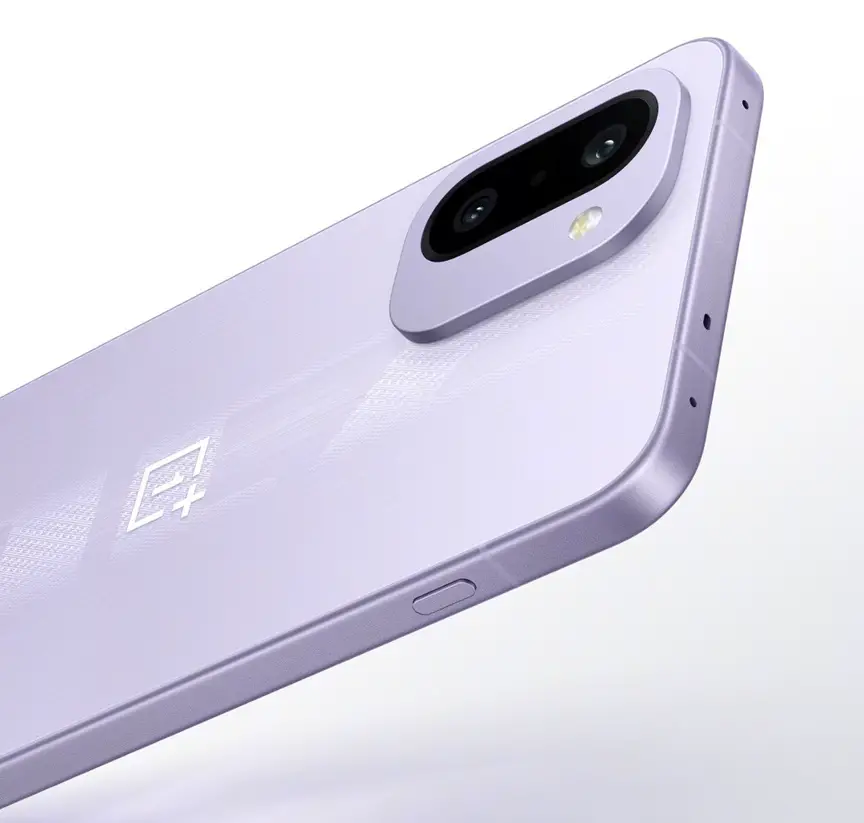
According to AnTuTu, the upcoming OnePlus Turbo series phone packs in the Snapdragon 8s Gen 4 SoC, paired alongside 512GB of storage and 16GB of RAM. This appears to be the top-of-the-line specs with a befitting AnTuTu score of 2,609,327 points.
To put things into perspective, the OnePlus 15 scored 3,688,274 points on AnTuTu with its Snapdragon 8 Elite Gen 5, while the OnePlus 15R scored 3,168,069 points powered by a lighter Snapdragon 8 Gen 5 SoC.
Related

OnePlus President previously teased a gaming-focused phone
Perhaps, this is what OnePlus’ president Li Jei was referring to when he confirmed a gaming phone slated to arrive early next year to celebrate OnePlus’ 12th anniversary.
The AnTuTu listing confirmed UFS 4.1 storage, LPDDR5X RAM, and a display (speculated to be a 6.78” OLED 1.5K panel) mounted with a 165Hz refresh rate. There’s a 50MP primary plus an 8MP ultrawide lens on-board.
What’s interesting is the fact that OnePlus is stuffing the OnePlus Turbo with a hefty 9,000mAh battery, the largest-ever on an OnePlus phone. It comes with a powerful 100W wired charging tech that will juice up the battery in a jiffy. The phone is likely to launch in China in early January 2026, followed by a global launch a few weeks later.