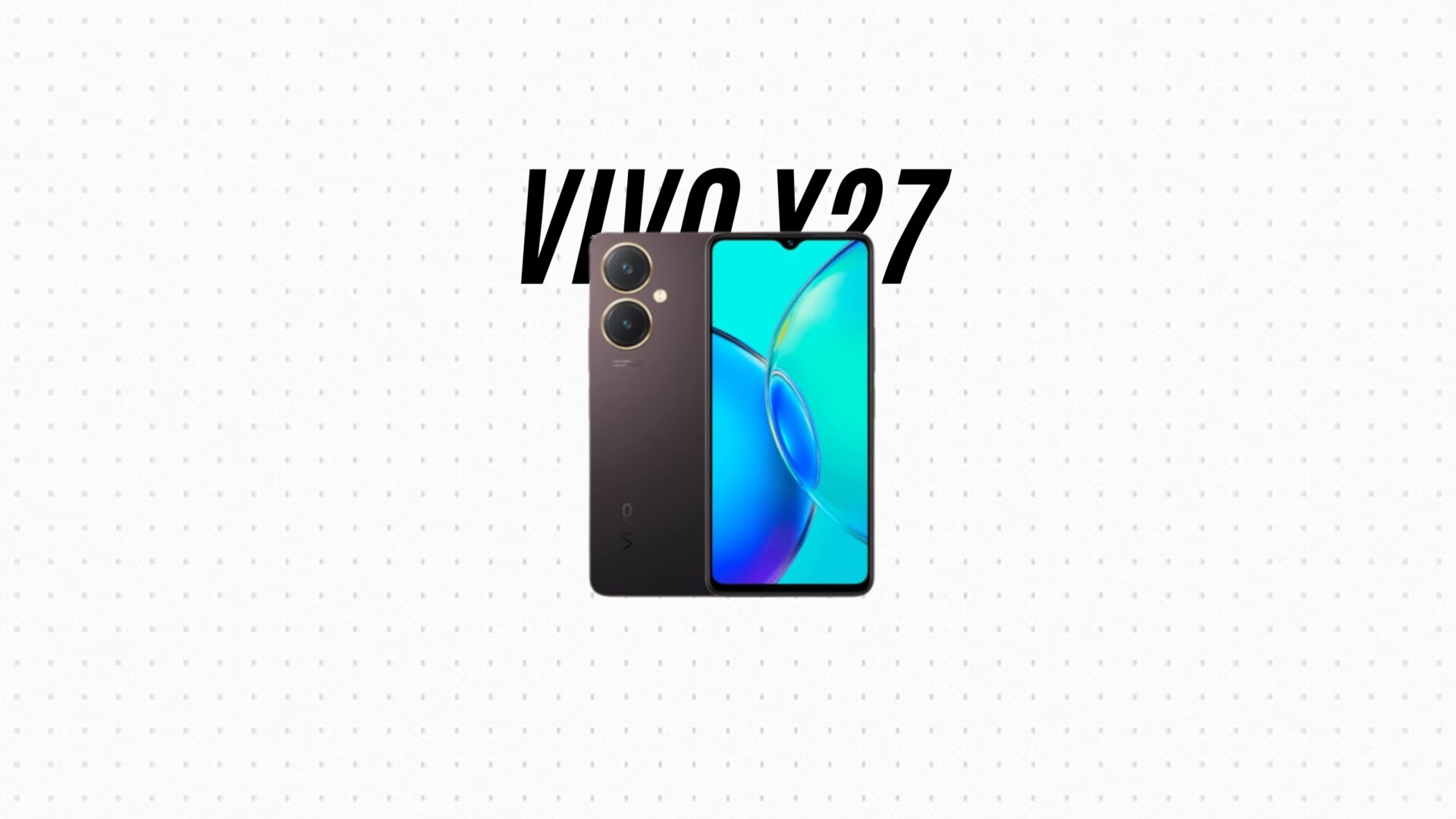
- vivo will officially introduce the vivo Vision mixed reality headset during an event in China, coinciding with its annual imaging festival.
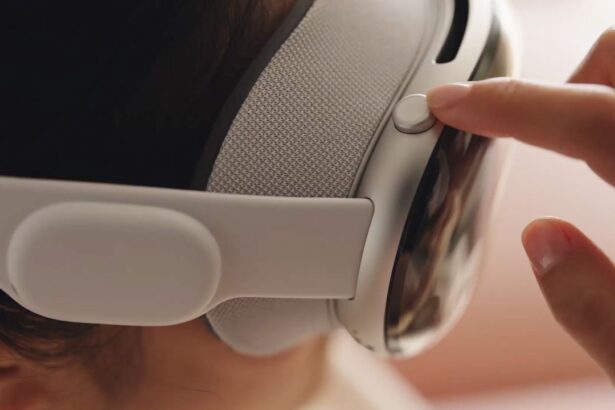
- The headset features a metal build, visor display housing, digital crown for opacity control, knit light seal, and rear support band.
- Equipped with Qualcomm’s Snapdragon 4nm platform, advanced display technology, and true 3D gesture-based controls for precise interaction.
vivo has officially announced the vivo Vision launch date for August 21 at a special event in China. The launch will take place alongside the company’s annual imaging festival, where vivo is expected to highlight its latest visual technology innovations.
Design inspired by premium MR headsets
The vivo Vision MR headset will feature a sleek, Apple Vision Pro–style design with a metal frame and a visor housing high-resolution displays. An early video shows a digital crown–style control for adjusting opacity, a knit light seal, and a supportive rear band to improve comfort.
Tipster Digital Chat Station says the vivo Vision will have industry-leading display specs and run on Qualcomm’s latest Snapdragon 4nm platform. vivo is reportedly focusing on weight and ergonomics for comfortable long-term use, but the advanced hardware means it probably won’t come cheap.
Advanced controls and immersive experience
Hong Yi, vivo’s Smart Device General Manager, said the vivo Vision will deliver an immersive experience with true 3D controls, likely using hand gestures like Apple’s. It will also have an ultra-lightweight design for better usability and portability.
The MR headset is designed to deliver high levels of precision and realism, targeting professional and high-end users. vivo’s goal, according to industry insiders, is to match the interaction quality and content ecosystem of Apple’s Vision Pro.


Related
vivo Vision launch date and limited initial availability
With the vivo Vision launching on August 21, vivo is entering the mixed reality market as a strong competitor. Instead of an immediate wide release, vivo will offer exclusive in-store demos at select locations in China, letting customers book appointments to try its spatial computing features. This controlled rollout points to a focus on gathering feedback before a larger launch.