- Samsung Electronics unveiled a new 14-meter Onyx cinema LED screen at CinemaCon 2026, targeting premium large-format theaters.
- The display supports 4K at 120Hz, higher brightness, and modular scaling up to 20 meters for larger auditoriums.
- Samsung continues expanding global adoption of its Onyx platform across Europe and the U.S.
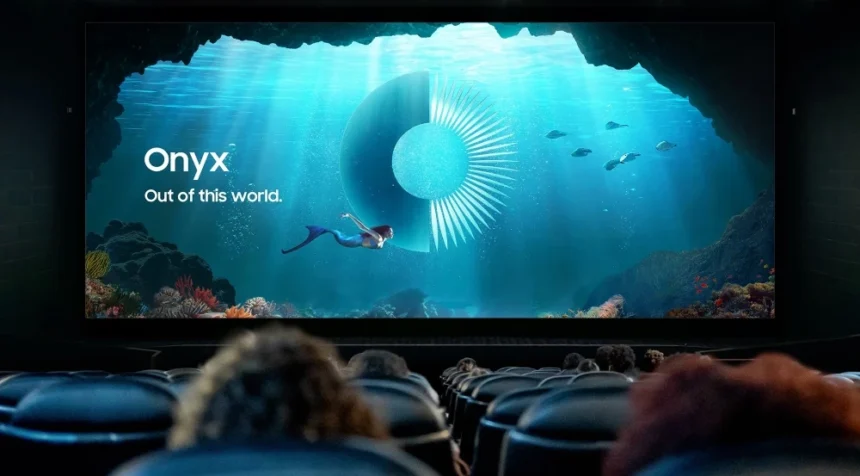
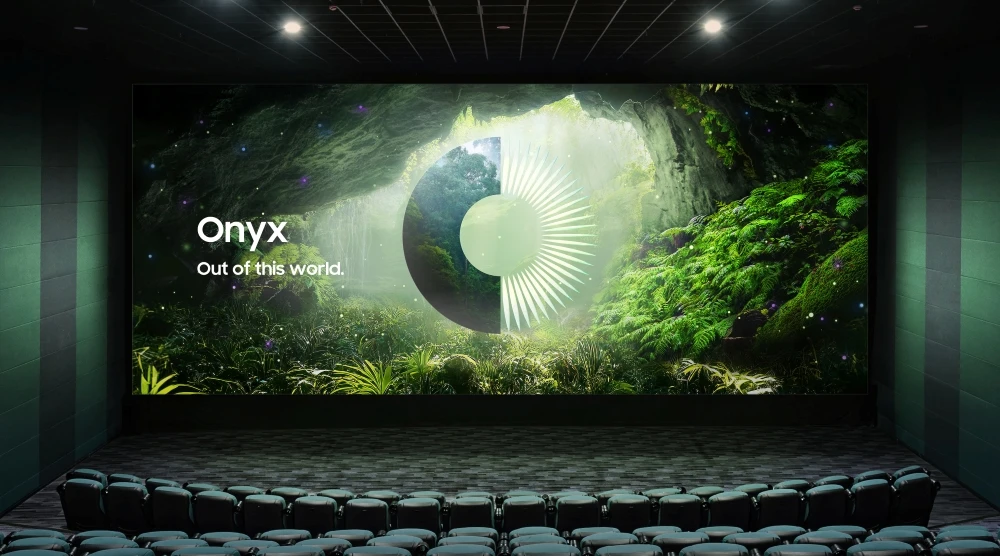
Samsung has unveiled a new 14-meter version of its Onyx Cinema LED screen at CinemaCon 2026. The Samsung Onyx 14-meter cinema LED display brings its premium visual technology into larger theater auditoriums, says the company. If this sounds interesting to you, you should learn more about the product below.
Samsung Onyx 14-meter Cinema targets larger, premium screens
With the new 14-meter model, Samsung is expanding its Onyx lineup to better serve Premium Large Format (PLF) theaters. These larger auditoriums are increasingly important for exhibitors looking to offer something distinctive and high-end.
Samsung says the new screen enhances immersion while also helping theaters make better use of their space and seating layouts. Despite the increase in size, the company maintains that the display delivers the same performance standards that have defined the Onyx platform.
“People go to premium theaters for something they cannot recreate at home,” said Hyoung Jae Kim. “With the 14-meter Onyx, exhibitors can extend that premium experience to larger spaces and make moviegoing feel special again.”
Built for scale without compromising quality
The 14-meter Onyx display keeps the core strengths of earlier models while offering features suited for larger screens.
It uses a 3.3mm pixel pitch, helping maintain sharp and consistent image quality across a bigger surface. The system is also modular, allowing theaters to expand the screen up to 20 meters by adding LED panels—creating a seamless, floor-to-ceiling viewing experience.
Viewers can expect support for 4K resolution at 120Hz, delivering smooth motion and clear detail, whether watching fast-paced action scenes or visually complex films.
The display supports both major cinema aspect ratios, scope and flat, making it suitable for a wide range of content.

Brighter images, deeper contrast
Samsung continues to highlight the advantages of LED over traditional projection. The Onyx screen can reach peak brightness levels of up to 300 nits, significantly brighter than standard cinema projection while maintaining accurate colors and deep blacks.
This configuration allows for more vivid visuals and improved detail, especially in darker scenes. The company also emphasizes consistent picture quality across all seats in the auditorium, something that can vary with projection systems.
More than just movies
While originally developed for film screenings, the Onyx platform is also well-suited for alternative uses. Theaters can use it for live sports events, concerts, gaming tournaments, or even corporate presentations.
Because LED screens don’t rely on projection, they maintain the same brightness and clarity regardless of screen size or audience position. Compatibility with Dolby and GDC media servers also makes it easier for theaters to integrate the system into their existing operations.
Growing adoption worldwide
Samsung’s Onyx displays have been gaining traction globally. One recent example is a new premium cinema complex in Rabat, Morocco, developed with Pathé. The venue features multiple Onyx screens in different sizes and is considered as a flagship destination.
In the United States, Trilith Cinemas became the first theater to install the latest generation of Onyx screens across several auditoriums in late 2025.
Bo Chambliss noted that the technology helps deliver a more consistent and visually accurate experience, aligning closely with filmmakers’ creative intent.
Keep up with the tech that actually matters.
Add us as a preferred source on Google Search for quicker access to our coverage.

On display at CinemaCon
Attendees to CinemaCon 2026 can see the new 14-meter Onyx screen in action at Samsung’s booth in Caesars Palace, Las Vegas. The company is also showcasing other display technologies, including glasses-free 3D signage and large-format digital displays.
The event, organized by Cinema United, runs from April 13 to 16 and brings together key players from across the global film exhibition industry.