AI+ smartphone controversy: what we know so far

Aditya Rasik
11 Min Read
Highlights
  • AI+ Smartphones is facing scrutiny over privacy, software transparency, and "Made in India" claims raised by tech reviewers.
  • The company has denied all allegations and says its devices and data infrastructure comply with Indian standards.
  • The controversy has moved to court, spreading a wider debate about smartphone privacy, consumer trust, and the role of independent tech reviews.
Important Disclosure

This story was produced for news coverage and editorial purposes only. It cites and explores existing news information already available. As an independent news organization, we do not intend to cause defamation to a brand or their employees in any way.

The AI+ smartphone controversy has turned into one of the most talked-about stories in India’s technology industry this year. It began as a bunch of critical reviews from well-known tech creators, but then it turned into a bigger discussion of privacy claims and “Made in India” branding, smartphone transparency, and even the role of online reviewers. People are saying different things, and somehow it all feels connected, even when it shouldn’t be, at least not so tightly.

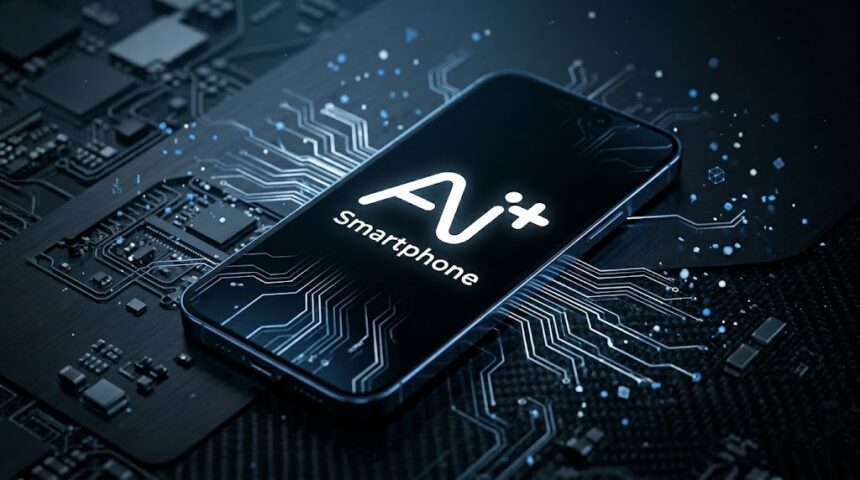
In the middle of the whole dispute there is AI+, a smartphone brand that was brought out by entrepreneur Madhav Sheth. A number of tech YouTubers have been questioning what the company says about privacy and general software practices, but AI+ has pushed back pretty strongly, denying the accusations and also starting legal action against a few of the critics. As the matter keeps going inside court, the discussion has spilled past a single smartphone brand, and now it’s become a much bigger conversation than that.
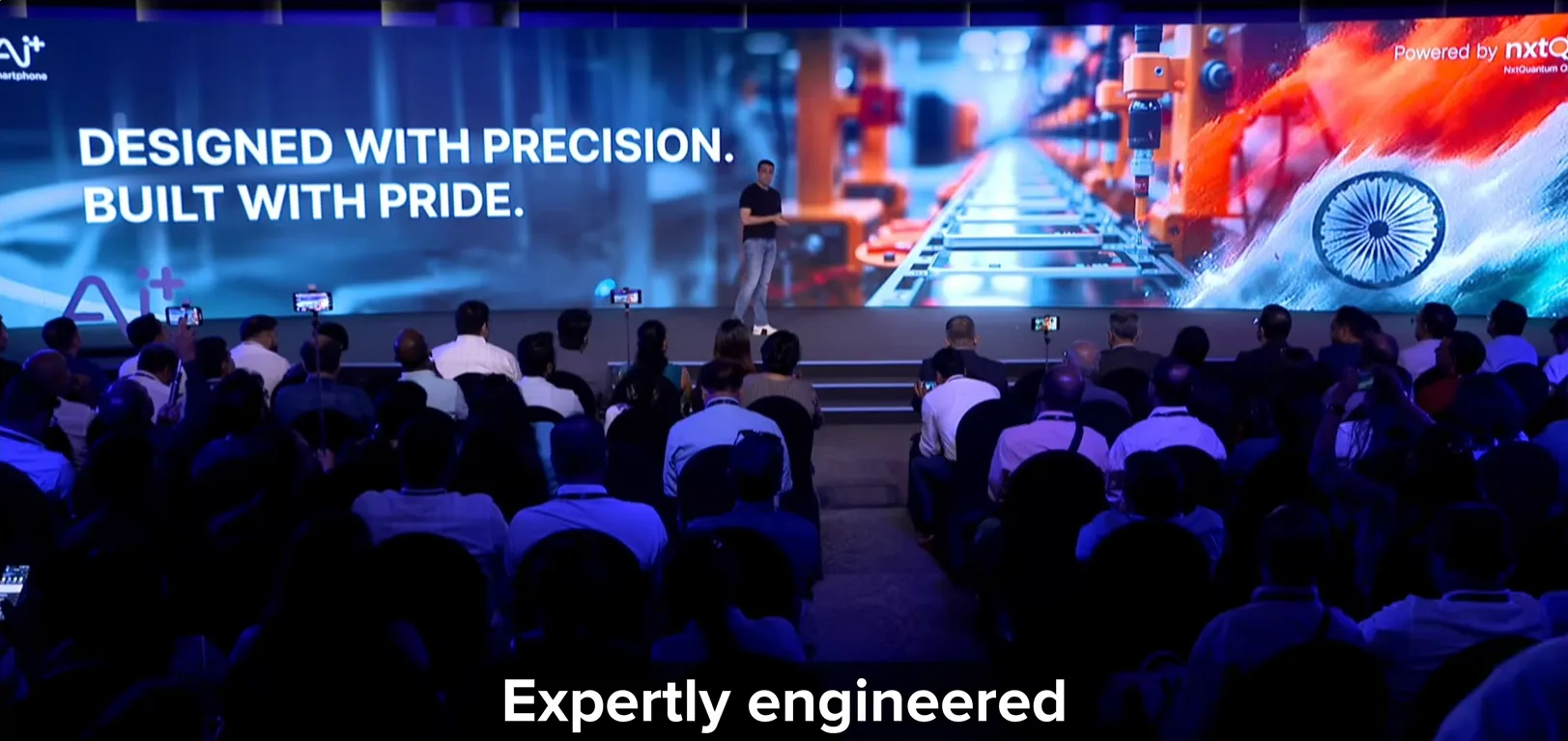
Image Credits: AI+

What is AI+ smartphones?

AI + smartphones entered the market in July 2025 under NxtQuantum Shift Technologies India Pvt. Ltd. The company presented itself as a privacy-focused Indian smartphone brand; it kept stressing data security, local cloud infrastructure, and technology that’s been developed specifically for Indian users.

One of its key selling points is data sovereignty, or maybe, said slightly differently, it’s about who controls the data. AI+ has said that user data is held on cloud infrastructure based in India and that it is handled through approved services within the country and not elsewhere. The company also keeps talking about how its devices are designed and produced in India as well, kind of promoting domestic making rather than outsourced assembly.
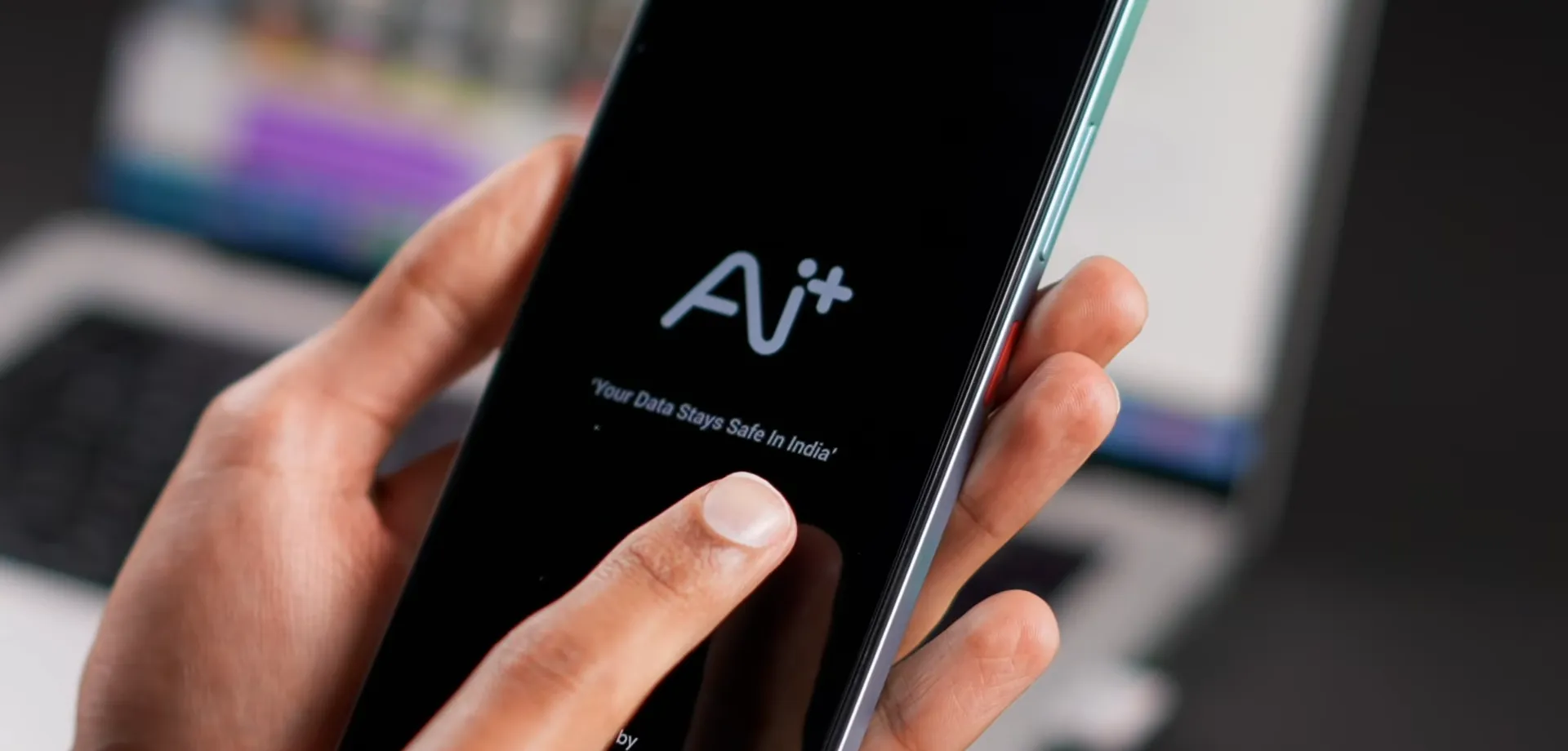
Image Credits: Mrwhosetheboss, via YouTube

The brand is led by Madhav Sheth, a familiar name in the Indian smartphone industry, who previously steered realme India before moving on to his new venture.

How the AI+ smartphone controversy started

So, this whole controversy started to get serious after a few recognizable Indian tech channels put out videos where they were basically raising questions about AI+’s privacy claims and its business behavior too. And yeah, it gained attention from there, like people kept looking into it, and the chatter just went on.

Among the more prominent voices were TechWiser and TechBar, both of them put out these detailed videos looking at the software and the branding behind AI+ devices. What they found spread fast across social media, and it lit up this huge conversation, with consumers plus industry observers. It felt like within no time the discussion was everywhere.

Hidden software allegations

One of the more widely discussed claims involved software apps that were, allegedly, found on AI+ smartphones, or at least that’s what people keep saying.

TechWiser reported that after going through an AI+ device with Android Debug Bridge (ADB), a developer tool usually used for software analysis, he found apps that you can’t really see in the usual user interface. According to the channel, some of those apps seemed connected to a Shanghai-based company.
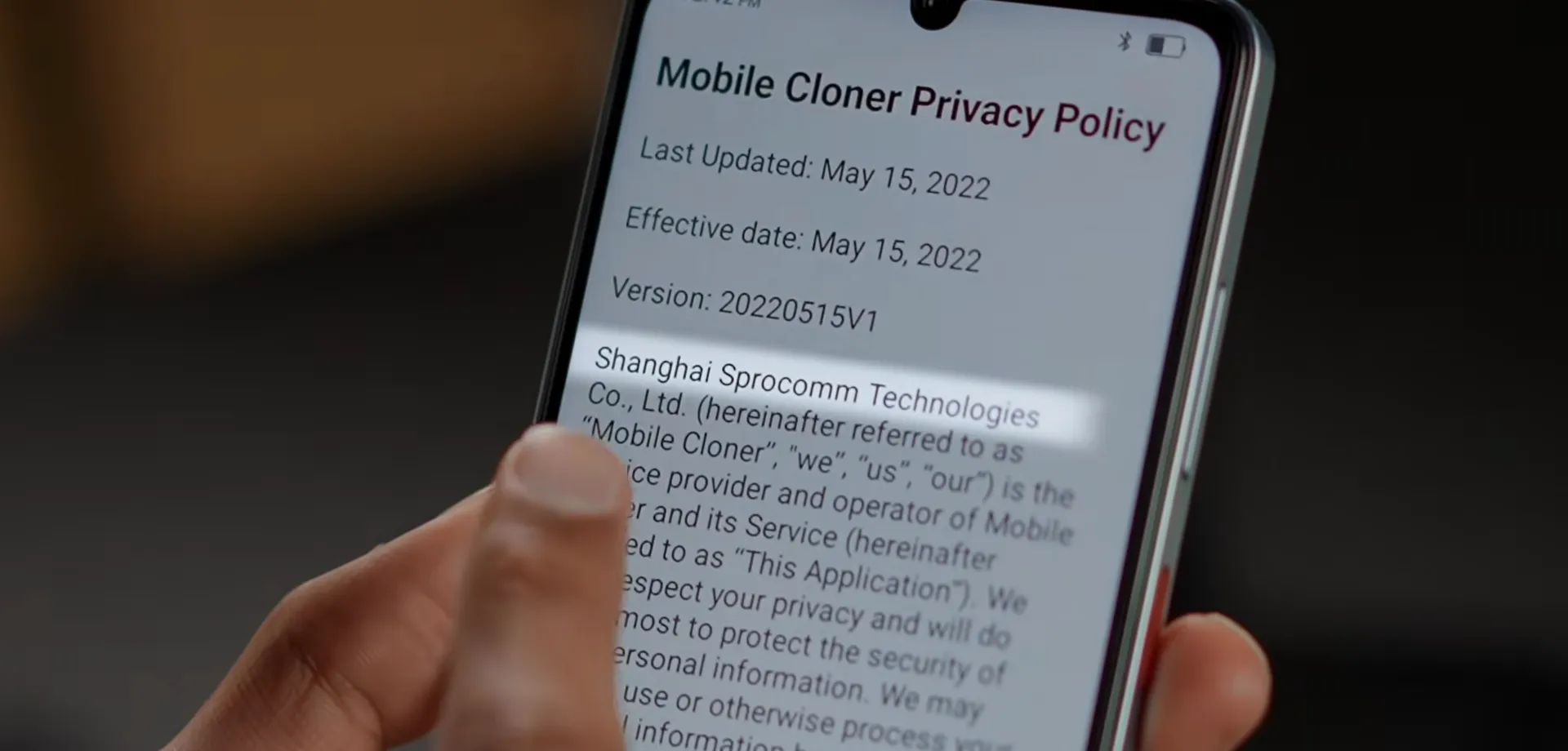
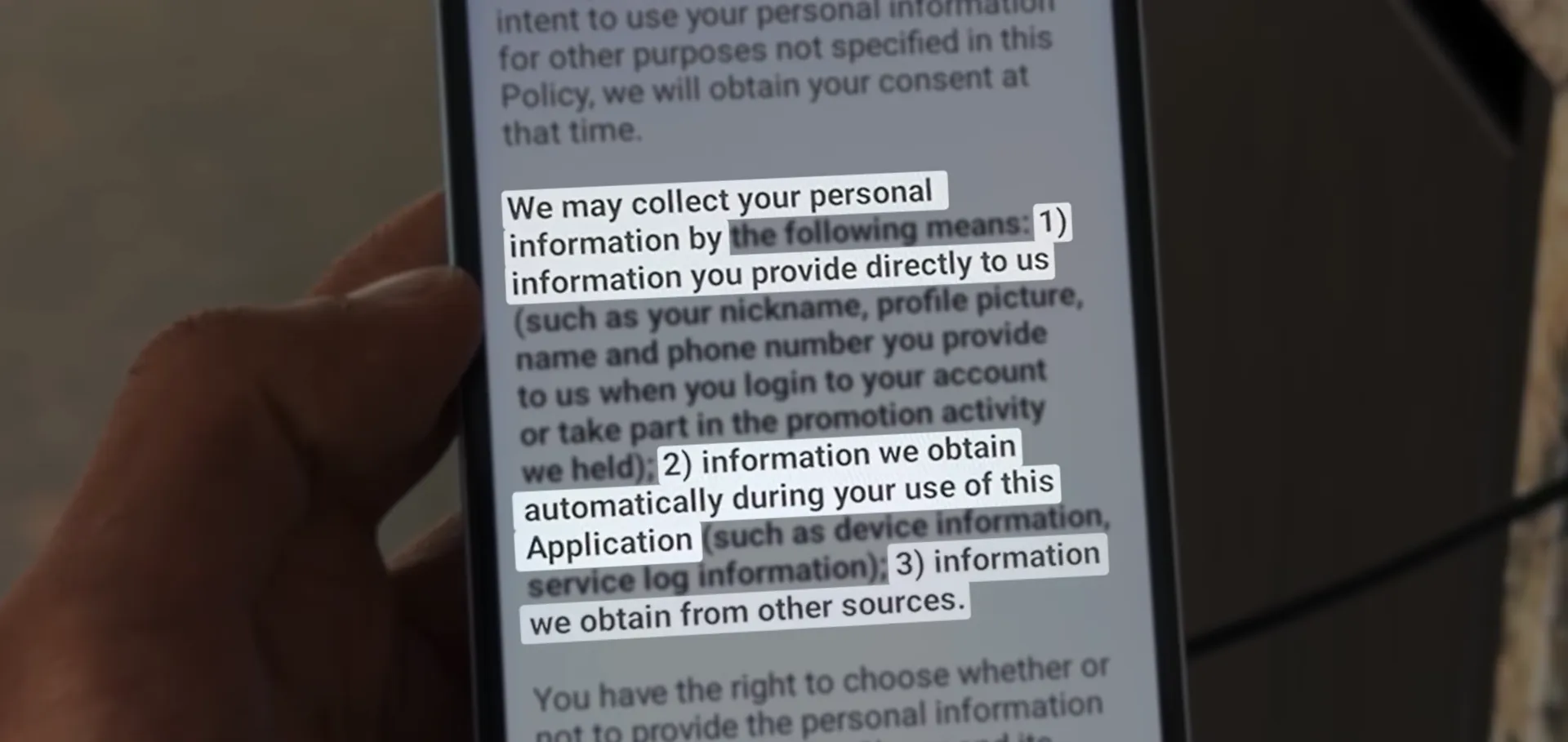
The reviewers said that this discovery raised serious questions about AI+’s privacy-centered marketing and also if consumers were getting that same kind of transparency the brand claimed they would. So in a sense, it was about not just what the system does but also what it reveals and how honest it was with people, even if the promise sounded pretty clear at first.

Questions about privacy features

The whole controversy also spilled over into AI+’s privacy dashboard, which is meant to help users keep an eye on how apps are allowed access permissions on their devices, like it tracks what gets used and when.

TechWiser said that some Google services seemed to take permissions without it being fully shown in the dashboard reporting system. The channel then suggested this could really mess with transparency of the feature and also change how users understand what an app is doing on their devices.

Debate over “Made in India” claims

Another major point of discussion also involved AI+’s positioning as an Indian smartphone brand, not just in specs but in identity, brand vibe, and how people perceive it.

Mrwhosetheboss pointed out that a few AI+ devices had similarities, with design and specs, to smartphones that are already out there by Chinese manufacturers. That made observers raise doubts about how much of the company’s hardware and software was actually developed in India on its own; maybe it was something more borrowed than built.
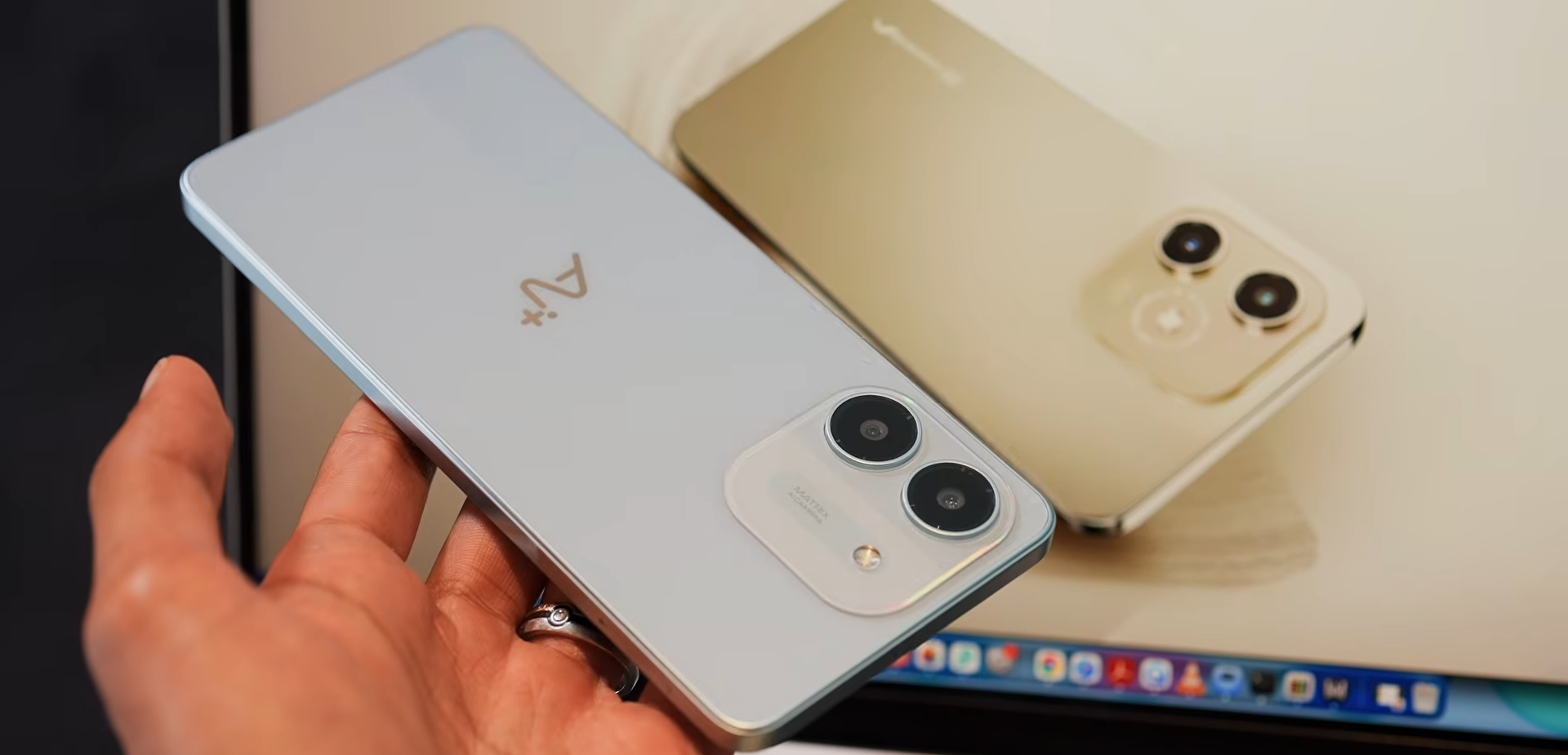
Image Credits: Mrwhosetheboss, via YouTube

However, the company has rejected these claims, and they keep saying that their products, operating system, and supporting infrastructure are put together and looked after within India.

AI+ pushes back against the criticism

AI+ has consistently denied the allegations raised by reviewers. Based on what the court filings say, the company keeps saying that those claims were built on incomplete or inaccurate technical analysis and that it all made up a misleading picture of its products and operations. AI+ has also argued (again) that user data stays stored within India and that its privacy-related commitments are still intact; no change here.
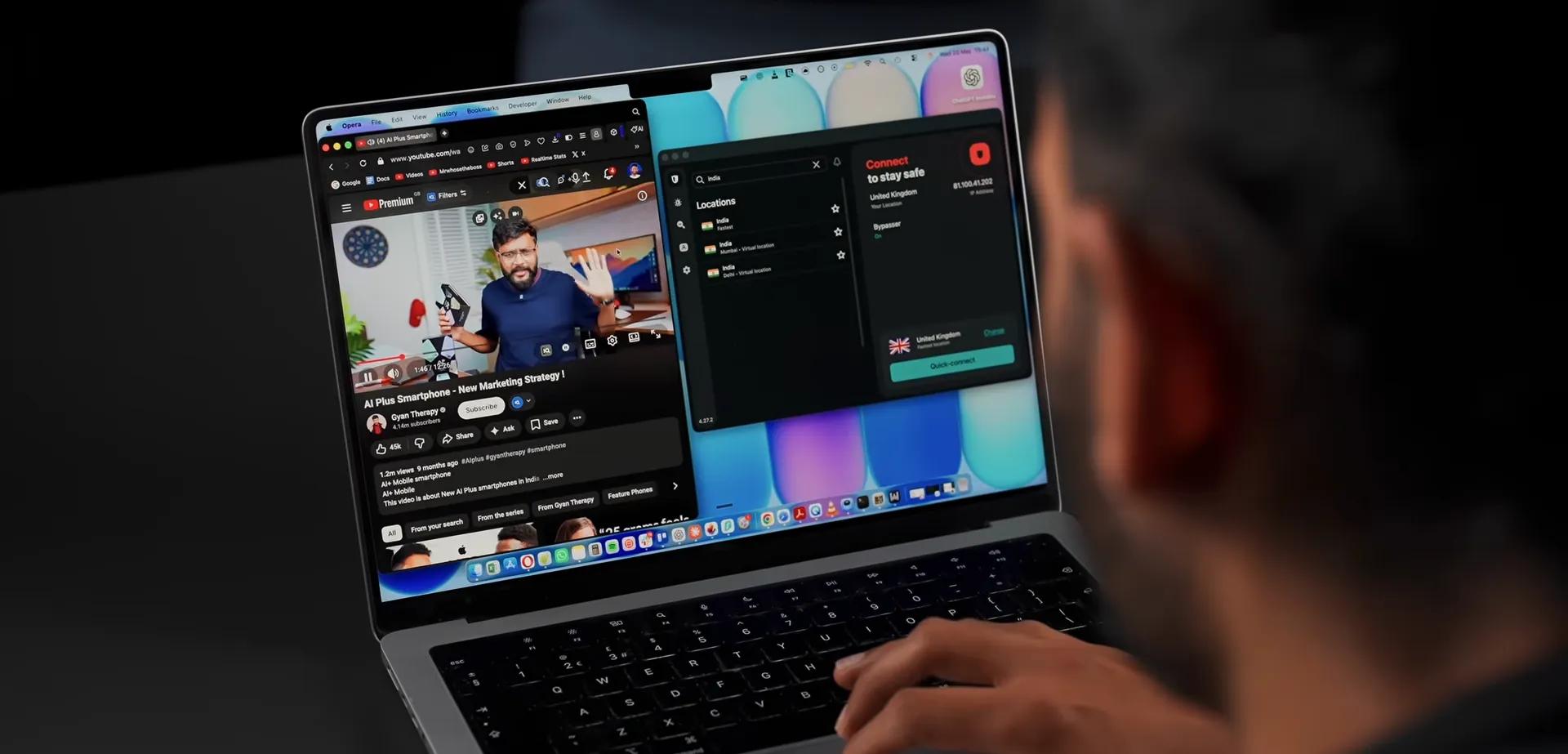
Image Credits: Mrwhosetheboss, via YouTube

The company further said that the videos caused reputational harm, and they had allegations in there that weren’t independently checked by recognized technical experts or some such.

The legal battle reaches the Delhi High Court

The dispute took a big turn when AI+ actually approached the Delhi High Court for legal relief, asking for assistance.

In April 2026, the court granted an interim injunction that restricted TechWiser and TechBar from publishing allegedly disparaging content about AI+ smartphones as well as its founder while the whole matter is still under consideration. The order also had a John Doe clause, which could maybe apply to unidentified parties involved in similar posts and other related content.

The court noticed, at the interim stage, that the allegations had not really been backed by a proper technical review done by an independent agency. It also pointed out that these kinds of statements can lead to commercial damage if later it turns out they were not accurate.

That order, right away, started a bit of back-and-forth debate across both the technology and legal communities. AI+ fans saw it as a reasonable attempt to shield a company’s standing, not sure maybe like to protect its reputation. But others raised a real worry about the possible effect on independent product reviews and also on internet criticism in general.

New questions emerge during court proceedings

In May 2026, the legal dispute sort of kept changing, as TechWiser then challenged the injunction.

In the following hearings, there were questions raised about how the initial ex parte order was obtained, and it somewhat became a thing. Later, the Delhi High Court directed AI+ founder Madhav Sheth to appear before the court, as it was looking into the allegations that were connected to the injunction proceedings.

Anyway, the matter stays ongoing, and as far as I can tell, no final determination has been made about the base allegations, not yet.

Global attention follows

The controversy got further international attention after the widely known tech creator Arun Maini, a.k.a. MrWhoseTheBoss talked about the whole dispute and the problems around it, like what was even going on in the first place.

His involvement kind of exposed the story to a global audience and also brought an updated spotlight on wider issues like consumer rights, technology reporting, corporate accountability, and freedom of speech in the digital era.

Keep up with the tech that actually matters.

From breaking news to deep dives, TrueTech brings you the tech stories worth knowing.
Add us as a preferred source on Google Search for quicker access to our coverage.

Add TrueTech as a preferred source on Google

What we know—and what remains unclear

Several parts of the controversy are pretty well established, like not in a vague sense but in a way you can actually point at. AI+ markets itself as a privacy-focused Indian smartphone brand, pretty much like that’s the main angle. Then technology reviewers publicly challenged some of those claims, and the company answered with legal action, or at least that’s what it looks like. All of this is not just rumor; it’s documented through public reporting and also court records.

However, a lot of the main allegations are still unresolved. It’s unclear how much weight those software findings carry, how far any privacy concerns actually go, and whether the branding criticism is fully accurate. Those points will probably stay under careful inspection while the legal proceedings keep going.


Share This Article
Editor & Team Lead at TrueTech
Highlights
  • AI+ Smartphones is facing scrutiny over privacy, software transparency, and "Made in India" claims raised by tech reviewers.
  • The company has denied all allegations and says its devices and data infrastructure comply with Indian standards.
  • The controversy has moved to court, spreading a wider debate about smartphone privacy, consumer trust, and the role of independent tech reviews.
Important Disclosure

This story was produced for news coverage and editorial purposes only. It cites and explores existing news information already available. As an independent news organization, we do not intend to cause defamation to a brand or their employees in any way.

The AI+ smartphone controversy has turned into one of the most talked-about stories in India’s technology industry this year. It began as a bunch of critical reviews from well-known tech creators, but then it turned into a bigger discussion of privacy claims and “Made in India” branding, smartphone transparency, and even the role of online reviewers. People are saying different things, and somehow it all feels connected, even when it shouldn’t be, at least not so tightly.

In the middle of the whole dispute there is AI+, a smartphone brand that was brought out by entrepreneur Madhav Sheth. A number of tech YouTubers have been questioning what the company says about privacy and general software practices, but AI+ has pushed back pretty strongly, denying the accusations and also starting legal action against a few of the critics. As the matter keeps going inside court, the discussion has spilled past a single smartphone brand, and now it’s become a much bigger conversation than that.

Image Credits: AI+

What is AI+ smartphones?

AI + smartphones entered the market in July 2025 under NxtQuantum Shift Technologies India Pvt. Ltd. The company presented itself as a privacy-focused Indian smartphone brand; it kept stressing data security, local cloud infrastructure, and technology that’s been developed specifically for Indian users.

One of its key selling points is data sovereignty, or maybe, said slightly differently, it’s about who controls the data. AI+ has said that user data is held on cloud infrastructure based in India and that it is handled through approved services within the country and not elsewhere. The company also keeps talking about how its devices are designed and produced in India as well, kind of promoting domestic making rather than outsourced assembly.

Image Credits: Mrwhosetheboss, via YouTube

The brand is led by Madhav Sheth, a familiar name in the Indian smartphone industry, who previously steered realme India before moving on to his new venture.

How the AI+ smartphone controversy started

So, this whole controversy started to get serious after a few recognizable Indian tech channels put out videos where they were basically raising questions about AI+’s privacy claims and its business behavior too. And yeah, it gained attention from there, like people kept looking into it, and the chatter just went on.

Among the more prominent voices were TechWiser and TechBar, both of them put out these detailed videos looking at the software and the branding behind AI+ devices. What they found spread fast across social media, and it lit up this huge conversation, with consumers plus industry observers. It felt like within no time the discussion was everywhere.

Hidden software allegations

One of the more widely discussed claims involved software apps that were, allegedly, found on AI+ smartphones, or at least that’s what people keep saying.

TechWiser reported that after going through an AI+ device with Android Debug Bridge (ADB), a developer tool usually used for software analysis, he found apps that you can’t really see in the usual user interface. According to the channel, some of those apps seemed connected to a Shanghai-based company.

The reviewers said that this discovery raised serious questions about AI+’s privacy-centered marketing and also if consumers were getting that same kind of transparency the brand claimed they would. So in a sense, it was about not just what the system does but also what it reveals and how honest it was with people, even if the promise sounded pretty clear at first.

Questions about privacy features

The whole controversy also spilled over into AI+’s privacy dashboard, which is meant to help users keep an eye on how apps are allowed access permissions on their devices, like it tracks what gets used and when.

TechWiser said that some Google services seemed to take permissions without it being fully shown in the dashboard reporting system. The channel then suggested this could really mess with transparency of the feature and also change how users understand what an app is doing on their devices.

Debate over “Made in India” claims

Another major point of discussion also involved AI+’s positioning as an Indian smartphone brand, not just in specs but in identity, brand vibe, and how people perceive it.

Mrwhosetheboss pointed out that a few AI+ devices had similarities, with design and specs, to smartphones that are already out there by Chinese manufacturers. That made observers raise doubts about how much of the company’s hardware and software was actually developed in India on its own; maybe it was something more borrowed than built.

Image Credits: Mrwhosetheboss, via YouTube

However, the company has rejected these claims, and they keep saying that their products, operating system, and supporting infrastructure are put together and looked after within India.

AI+ pushes back against the criticism

AI+ has consistently denied the allegations raised by reviewers. Based on what the court filings say, the company keeps saying that those claims were built on incomplete or inaccurate technical analysis and that it all made up a misleading picture of its products and operations. AI+ has also argued (again) that user data stays stored within India and that its privacy-related commitments are still intact; no change here.

Image Credits: Mrwhosetheboss, via YouTube

The company further said that the videos caused reputational harm, and they had allegations in there that weren’t independently checked by recognized technical experts or some such.

The legal battle reaches the Delhi High Court

The dispute took a big turn when AI+ actually approached the Delhi High Court for legal relief, asking for assistance.

In April 2026, the court granted an interim injunction that restricted TechWiser and TechBar from publishing allegedly disparaging content about AI+ smartphones as well as its founder while the whole matter is still under consideration. The order also had a John Doe clause, which could maybe apply to unidentified parties involved in similar posts and other related content.

The court noticed, at the interim stage, that the allegations had not really been backed by a proper technical review done by an independent agency. It also pointed out that these kinds of statements can lead to commercial damage if later it turns out they were not accurate.

That order, right away, started a bit of back-and-forth debate across both the technology and legal communities. AI+ fans saw it as a reasonable attempt to shield a company’s standing, not sure maybe like to protect its reputation. But others raised a real worry about the possible effect on independent product reviews and also on internet criticism in general.

New questions emerge during court proceedings

In May 2026, the legal dispute sort of kept changing, as TechWiser then challenged the injunction.

In the following hearings, there were questions raised about how the initial ex parte order was obtained, and it somewhat became a thing. Later, the Delhi High Court directed AI+ founder Madhav Sheth to appear before the court, as it was looking into the allegations that were connected to the injunction proceedings.

Anyway, the matter stays ongoing, and as far as I can tell, no final determination has been made about the base allegations, not yet.

Global attention follows

The controversy got further international attention after the widely known tech creator Arun Maini, a.k.a. MrWhoseTheBoss talked about the whole dispute and the problems around it, like what was even going on in the first place.

His involvement kind of exposed the story to a global audience and also brought an updated spotlight on wider issues like consumer rights, technology reporting, corporate accountability, and freedom of speech in the digital era.

Keep up with the tech that actually matters.

From breaking news to deep dives, TrueTech brings you the tech stories worth knowing.
Add us as a preferred source on Google Search for quicker access to our coverage.

Add TrueTech as a preferred source on Google

What we know—and what remains unclear

Several parts of the controversy are pretty well established, like not in a vague sense but in a way you can actually point at. AI+ markets itself as a privacy-focused Indian smartphone brand, pretty much like that’s the main angle. Then technology reviewers publicly challenged some of those claims, and the company answered with legal action, or at least that’s what it looks like. All of this is not just rumor; it’s documented through public reporting and also court records.

However, a lot of the main allegations are still unresolved. It’s unclear how much weight those software findings carry, how far any privacy concerns actually go, and whether the branding criticism is fully accurate. Those points will probably stay under careful inspection while the legal proceedings keep going.

Share This Article
Editor & Team Lead at TrueTech