Trump creates ‘Super Intelligence Force’ to coordinate AI policy

Jeeva Shanmugam
3 Min Read
Highlights
  • A new AI power structure is taking shape in Washington.
  • A high-profile leader has been chosen to head the initiative.
  • The next 120 days could reveal how America plans to approach the AI race.

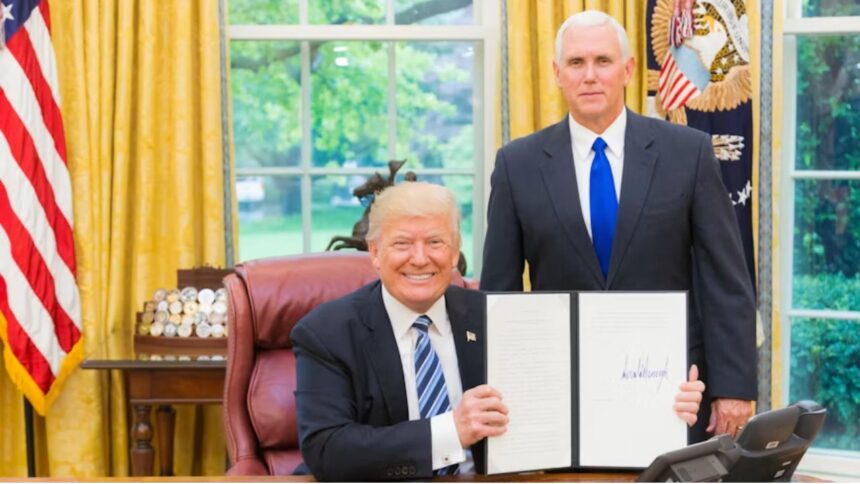
New leadership is being put in place to oversee the evolving artificial intelligence strategy in America. The president, Donald Trump, has made known his intention of creating the Super Intelligence Force, and he has selected the Director of National Intelligence, Jay Clayton, to spearhead the project.

It is important to note that this comes at a time when there is increasing pressure on Washington to consider the extent of regulation that should be applied to the powerful AI technologies without stifling the technology competition. Trump has always maintained the need for minimal regulations. Let’s completely breakdown the story.

Trump names Jay Clayton to lead the new Super Intelligence Force

This newly established force has been designed to unify various departments of the federal government and not leave the issue of AI policy to be handled by each agency separately. As stated in the official statement, this team will collaborate with tech companies, consumers, public-interest organizations, faith-based organizations, and critical infrastructure owners.
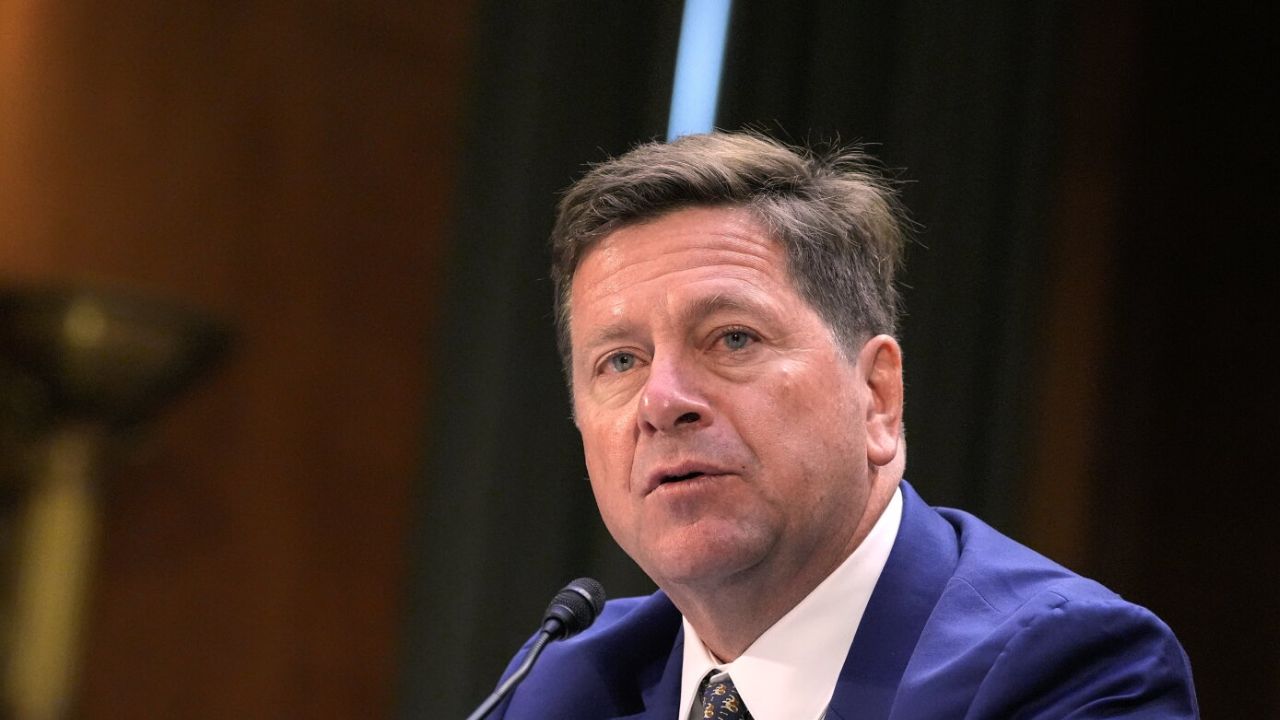
Super Intelligence Force
Image Credits: Mariam Zuhaib, via AP

They will also assess the potential threats and opportunities posed by the development of AI and suggest a role that the federal government should play. The deadline for delivering the report is within 120 days. This force will report directly to Trump and his White House Chief of Staff Susie Wiles.

Who is joining Clayton?

Clayton will be joined by many high-ranking officials in the administration, including the FTC chairman, Andrew Ferguson; the Pentagon’s Chief for Technology, Emil Michael; and the Director of the Office of Personnel Management, Scott Kupor.

Clayton comes with unique qualifications. He is a former chair of the Securities and Exchange Commission, having held that position from 2017 to 2020. He is currently the Director of National Intelligence and, therefore, has national security considerations on the top of his mind when dealing with AI.

Why now?

The news comes after a meeting at the White House with the leadership of large AI firms last week. Google, Anthropic, Meta, OpenAI, Nvidia, and xAI executives all signed up for a voluntary framework for internal controls, external reviews, and board supervision of advanced AI systems.

Overall, the reason why this approach matters is that it indicates where the Trump administration stands at the moment. Rather than implementing broad-based AI policies, he appears willing to pursue industry-led regulation and let the Super Intelligence Force craft a broader strategy.

For the US AI industry, the next 120 days may matter greatly as well. Let me know your thoughts in the comment section.

Keep up with the tech that actually matters.

From breaking news to deep dives, TrueTech brings you the tech stories worth knowing.
Add us as a preferred source on Google Search for quicker access to our coverage.
Add TrueTech as a preferred source on Google
Share This Article
Making spicy content on the Internet!
Highlights
  • A new AI power structure is taking shape in Washington.
  • A high-profile leader has been chosen to head the initiative.
  • The next 120 days could reveal how America plans to approach the AI race.

New leadership is being put in place to oversee the evolving artificial intelligence strategy in America. The president, Donald Trump, has made known his intention of creating the Super Intelligence Force, and he has selected the Director of National Intelligence, Jay Clayton, to spearhead the project.

It is important to note that this comes at a time when there is increasing pressure on Washington to consider the extent of regulation that should be applied to the powerful AI technologies without stifling the technology competition. Trump has always maintained the need for minimal regulations. Let’s completely breakdown the story.

Trump names Jay Clayton to lead the new Super Intelligence Force

This newly established force has been designed to unify various departments of the federal government and not leave the issue of AI policy to be handled by each agency separately. As stated in the official statement, this team will collaborate with tech companies, consumers, public-interest organizations, faith-based organizations, and critical infrastructure owners.

Super Intelligence Force
Image Credits: Mariam Zuhaib, via AP

They will also assess the potential threats and opportunities posed by the development of AI and suggest a role that the federal government should play. The deadline for delivering the report is within 120 days. This force will report directly to Trump and his White House Chief of Staff Susie Wiles.

Who is joining Clayton?

Clayton will be joined by many high-ranking officials in the administration, including the FTC chairman, Andrew Ferguson; the Pentagon’s Chief for Technology, Emil Michael; and the Director of the Office of Personnel Management, Scott Kupor.

Clayton comes with unique qualifications. He is a former chair of the Securities and Exchange Commission, having held that position from 2017 to 2020. He is currently the Director of National Intelligence and, therefore, has national security considerations on the top of his mind when dealing with AI.

Why now?

The news comes after a meeting at the White House with the leadership of large AI firms last week. Google, Anthropic, Meta, OpenAI, Nvidia, and xAI executives all signed up for a voluntary framework for internal controls, external reviews, and board supervision of advanced AI systems.

Overall, the reason why this approach matters is that it indicates where the Trump administration stands at the moment. Rather than implementing broad-based AI policies, he appears willing to pursue industry-led regulation and let the Super Intelligence Force craft a broader strategy.

For the US AI industry, the next 120 days may matter greatly as well. Let me know your thoughts in the comment section.

Keep up with the tech that actually matters.

From breaking news to deep dives, TrueTech brings you the tech stories worth knowing.
Add us as a preferred source on Google Search for quicker access to our coverage.

Add TrueTech as a preferred source on Google
Share This Article
Making spicy content on the Internet!