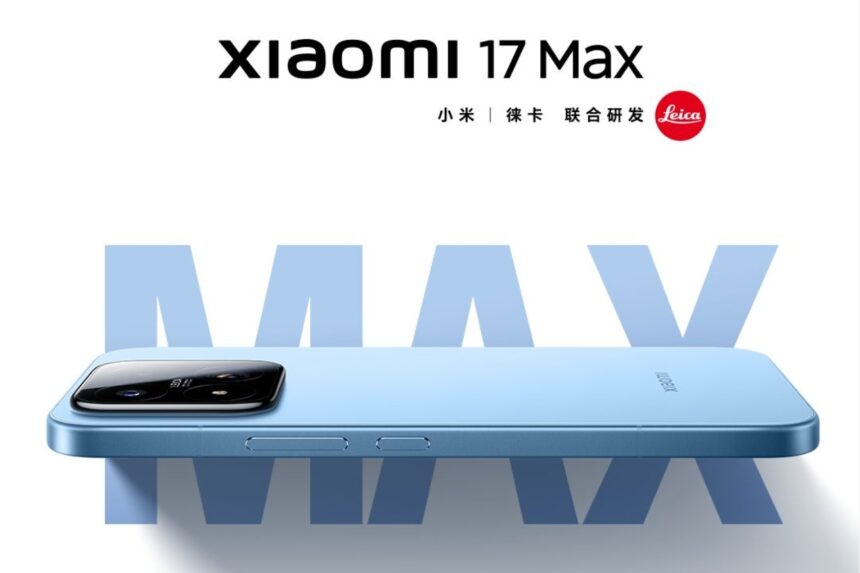
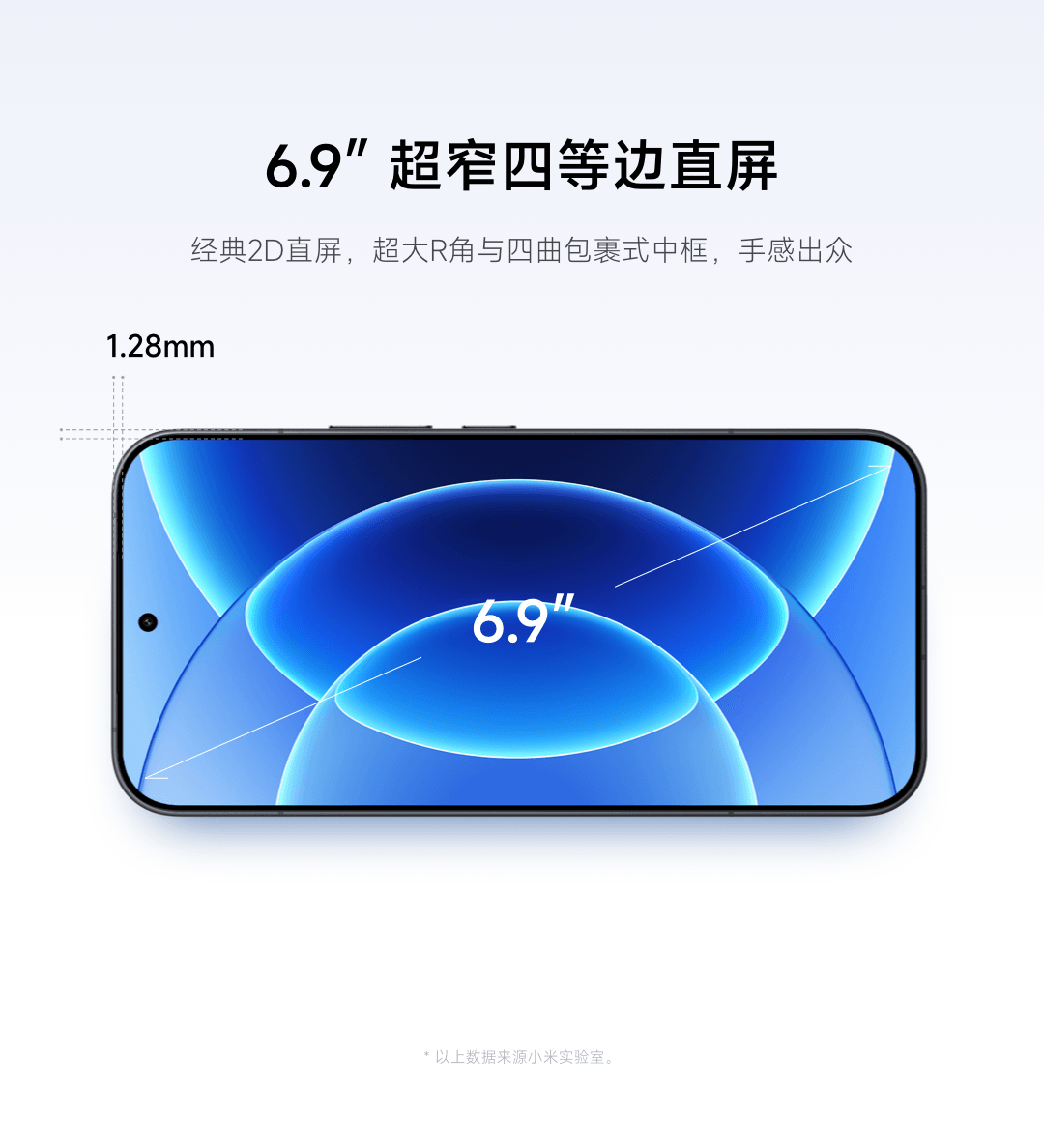
- Xiaomi 17 Max features a 6.9-inch 1.5K LTPO OLED display with a 120Hz refresh rate and 3,500 nits peak brightness.
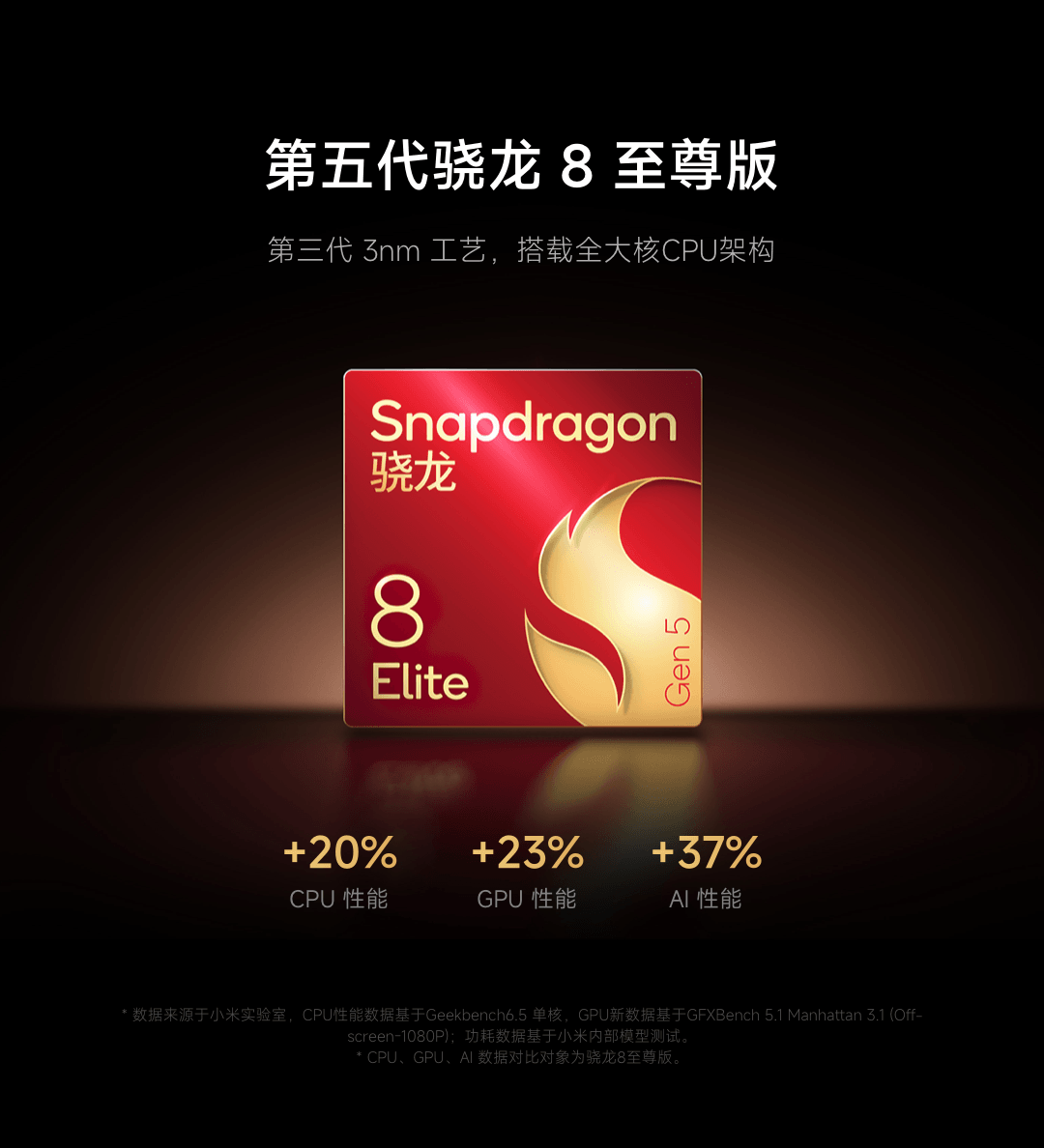
- The smartphone is powered by the Snapdragon 8 Elite Gen 5 chipset with up to 16GB RAM and 512GB storage.
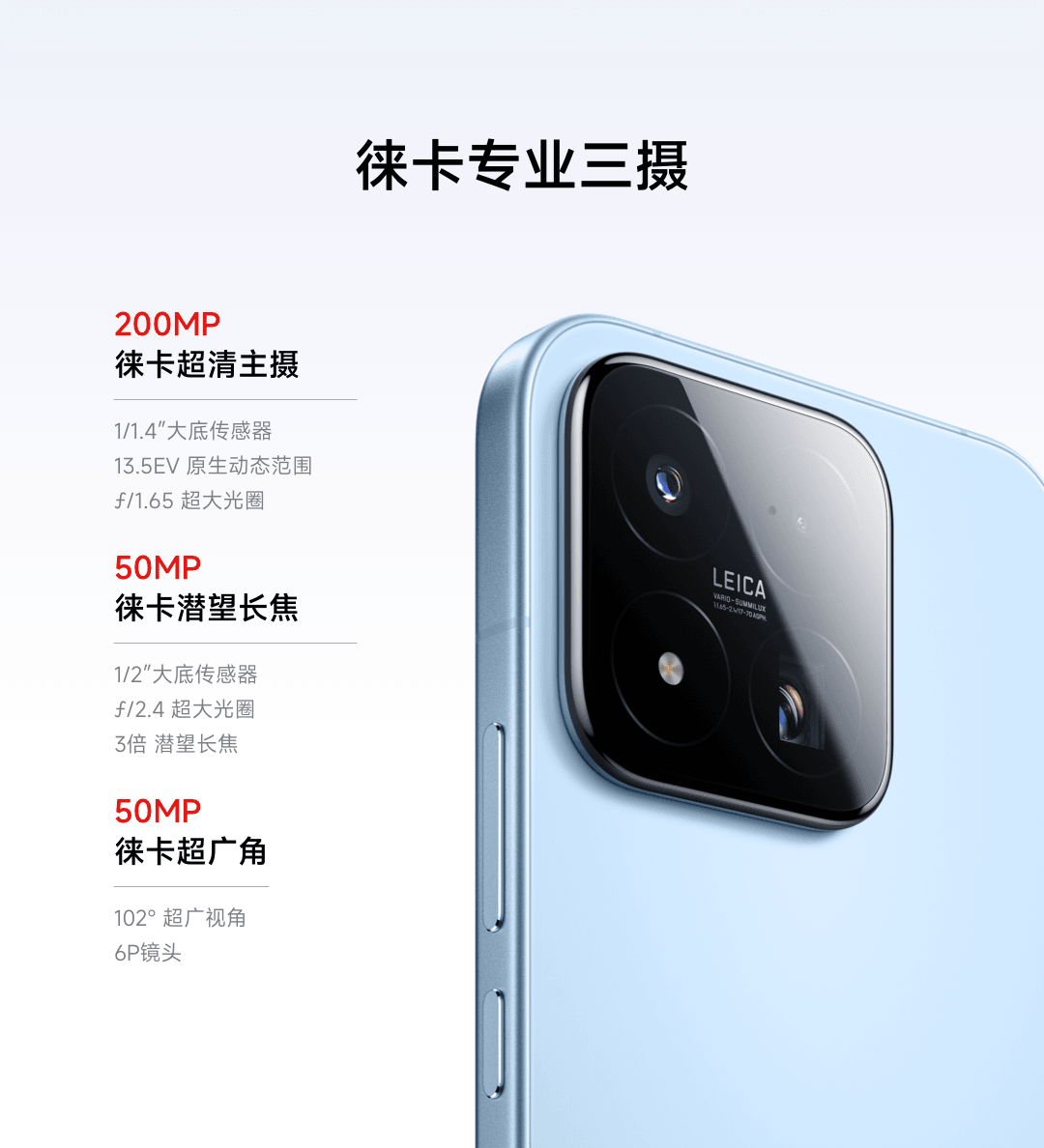
- It packs a Leica-branded 200MP triple rear camera setup with 8K video recording support.
The Xiaomi 17 Max has launched in China as the company’s latest premium flagship smartphone focused on battery life, display quality, and camera performance. The company says the device is ideal for users who want a large-screen premium smartphone with long-lasting power and flagship-grade hardware.
Xiaomi 17 Max specifications
Display
The Xiaomi 17 Max features a 6.9-inch 1.5K LTPO OLED display with a resolution of 2608 × 1200 pixels. The panel supports a variable refresh rate from 1Hz to 120Hz for smoother scrolling and improved power efficiency.
Xiaomi claims that the screen uses SuperPixel technology, which aims to deliver image clarity close to a 2K panel while consuming less power than standard 1.5K displays. The display also supports HDR10+, Dolby Vision, and up to 3500 nits peak brightness.
Design
For durability, the phone is protected by Xiaomi Shield Glass 3.0, also referred to as third-generation Dragon Crystal Glass. Xiaomi claims the upgraded protection improves drop resistance significantly compared to previous models.
The smartphone includes ultra-narrow bezels and a four-curved frame design with rounded corners. It also offers DC dimming and a switchable high-frequency PWM dimming mode.
Performance & software
Under the hood, the Xiaomi 17 Max is powered by the Snapdragon 8 Elite Gen 5 processor built on a 3nm process. The chipset is paired with up to 16GB LPDDR5X RAM and up to 512GB UFS 4.1 storage.
The device runs HyperOS 3 out of the box. Xiaomi has also included a three-dimensional ring-shaped cooling system to improve thermal management during gaming and heavy workloads.
According to Xiaomi’s internal testing, the smartphone maintained stable frame rates while running Genshin Impact at maximum graphics settings for over five hours.
Camera
One of the main highlights of the Xiaomi 17 Max is its Leica-branded triple rear camera setup.
The primary camera uses a 200MP HP9 sensor with a 1/1.4-inch optical format, f/1.65 aperture, and Hyper OIS stabilization. Xiaomi says the sensor supports multi-frame fusion computational photography for improved image processing.
The rear camera system also includes a 50MP ultra-wide lens with a 102-degree field of view and a 50MP Leica periscope telephoto camera. The telephoto sensor supports 3x optical zoom, 6x lossless zoom, and telemacro photography from as close as 15cm.
For video recording, the smartphone supports up to 8K video capture on the rear camera and 4K 60fps recording on the 32MP front camera.
Battery & charging
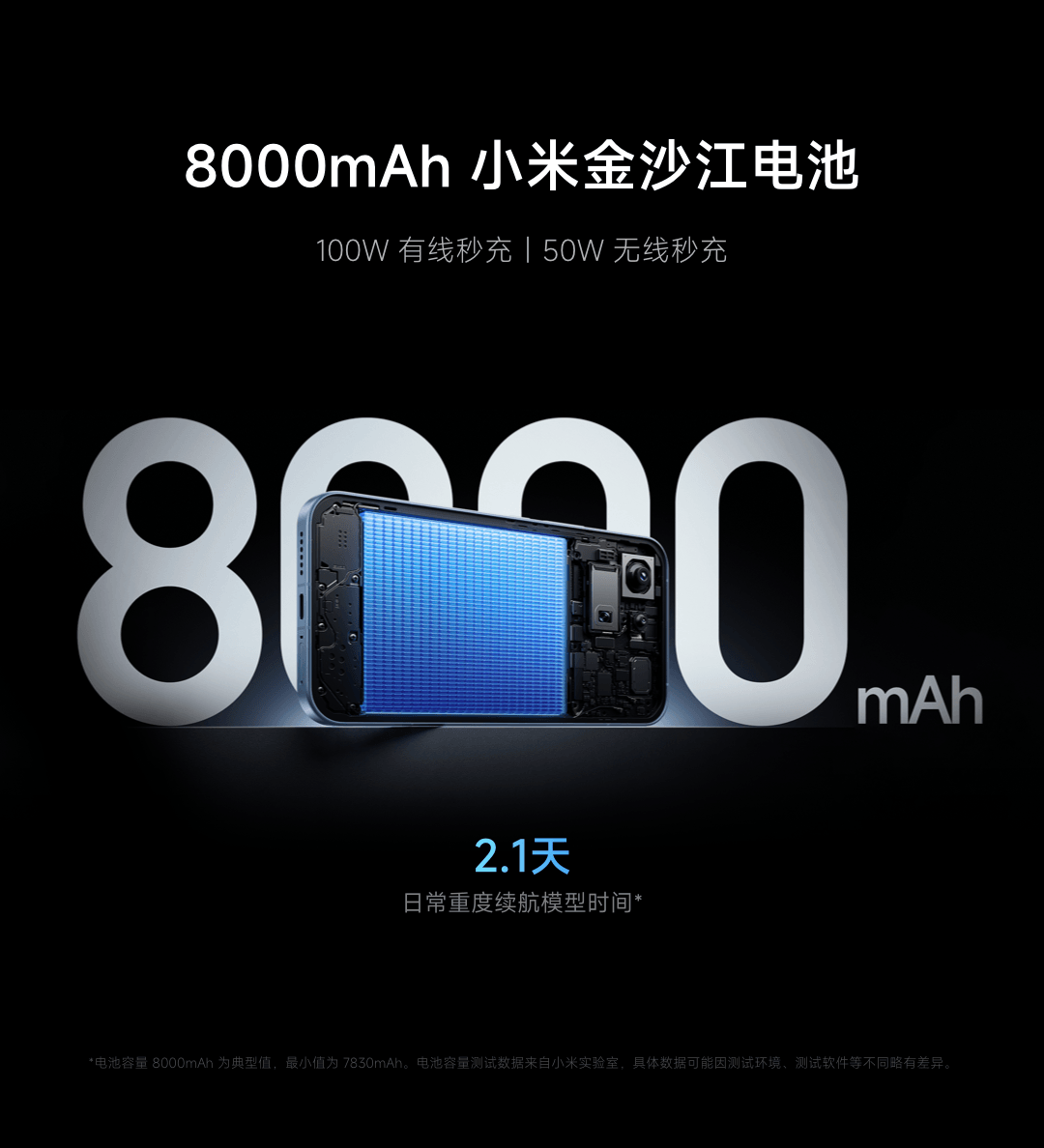
Battery capacity is another major focus of the Xiaomi 17 Max. The smartphone packs an 8000mAh battery and stands among the largest batteries seen in a Xiaomi flagship so far. Xiaomi says the battery uses Jinshajiang technology with 16% silicon content and an energy density of 894Wh/L.
The phone supports 100W wired fast charging and 50W wireless charging. Xiaomi has also integrated Surge P3 fast-charging and Surge G2 battery management chips for power optimization and battery safety. Additionally, the device supports 22.5W wired reverse charging.

Additional features
The Xiaomi 17 Max includes stereo dual speakers with Dolby Atmos support, an ultrasonic in-display fingerprint scanner, Hi-Res audio support, and a four-microphone array.
Connectivity options include 5G, Wi-Fi 7, Bluetooth 5.4, NFC, USB Type-C 3.2 Gen 1, and dual-SIM support. The device also carries IP68 and IP69 ratings for dust and water resistance.
Pricing and availability
Xiaomi has announced four storage variants for the Chinese market:
- 12GB + 256GB at 4,799 yuan
- 16GB + 256GB at 5,099 yuan
- 12GB + 512GB at 5,399 yuan
- 16GB + 512GB at 5,799 yuan
Pre-orders are already live in China, with first sales set to begin on May 25. As for its global release, Xiaomi has only confirmed availability in China so far. The company has not shared any official details regarding a broader rollout, including launches in markets such as India and Europe.
Keep up with the tech that actually matters.
Add us as a preferred source on Google Search for quicker access to our coverage.